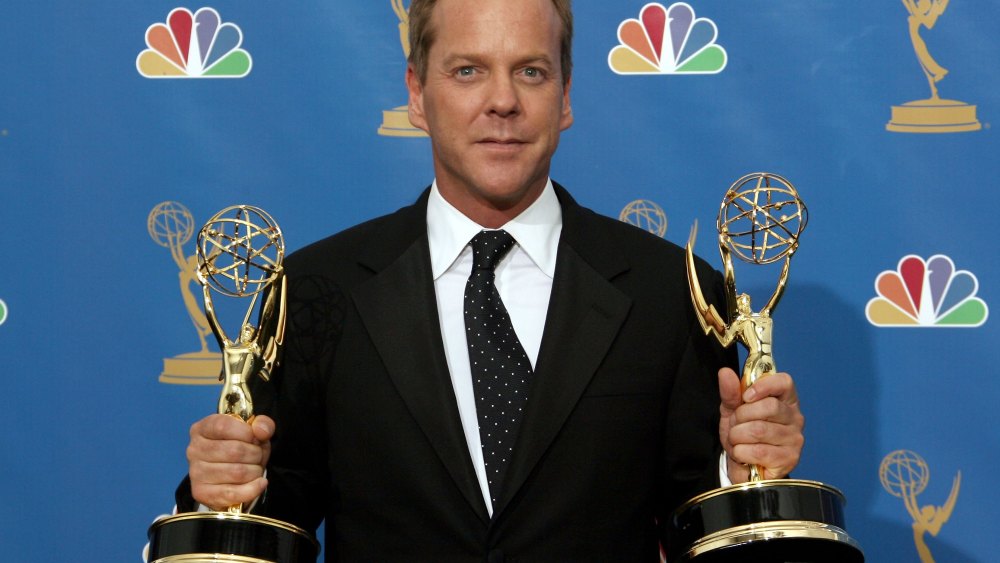
Two decades ago, the 58th Primetime Emmy Awards took place on August 27, 2006, at the Shrine Auditorium in Los Angeles. NBC broadcast the ceremony that year, scheduling it early to avoid conflicts with “Sunday Night Football.” Though unremarkable at the time, this event would later be remembered as a pivotal turning point in television history.
That year marked the final victory for traditional broadcast networks in the Emmy Awards’ most prestigious categories. Fox’s “24” claimed the drama series prize, with star Kiefer Sutherland earning his first Emmy as agent Jack Bauer, while NBC’s “The Office” won outstanding comedy. These victories would prove to be the last of their kind for broadcast television, as cable and later streaming platforms would dominate these categories in subsequent years. Following “24’s” win, HBO’s “The Sopranos” claimed the drama Emmy the next year, beginning a new era of cable dominance.
The 2006 ceremony also introduced a significant procedural change through the implementation of blue ribbon panels to select nominees in major categories. These panels of 500 viewers were tasked with narrowing down potential nominees after Academy members made their initial selections. This system inadvertently accelerated cable’s rise at the Emmys by expanding opportunities for non-broadcast contenders, fundamentally reshaping Emmy competition for years to come.
Originally reported by Variety →
About the Author