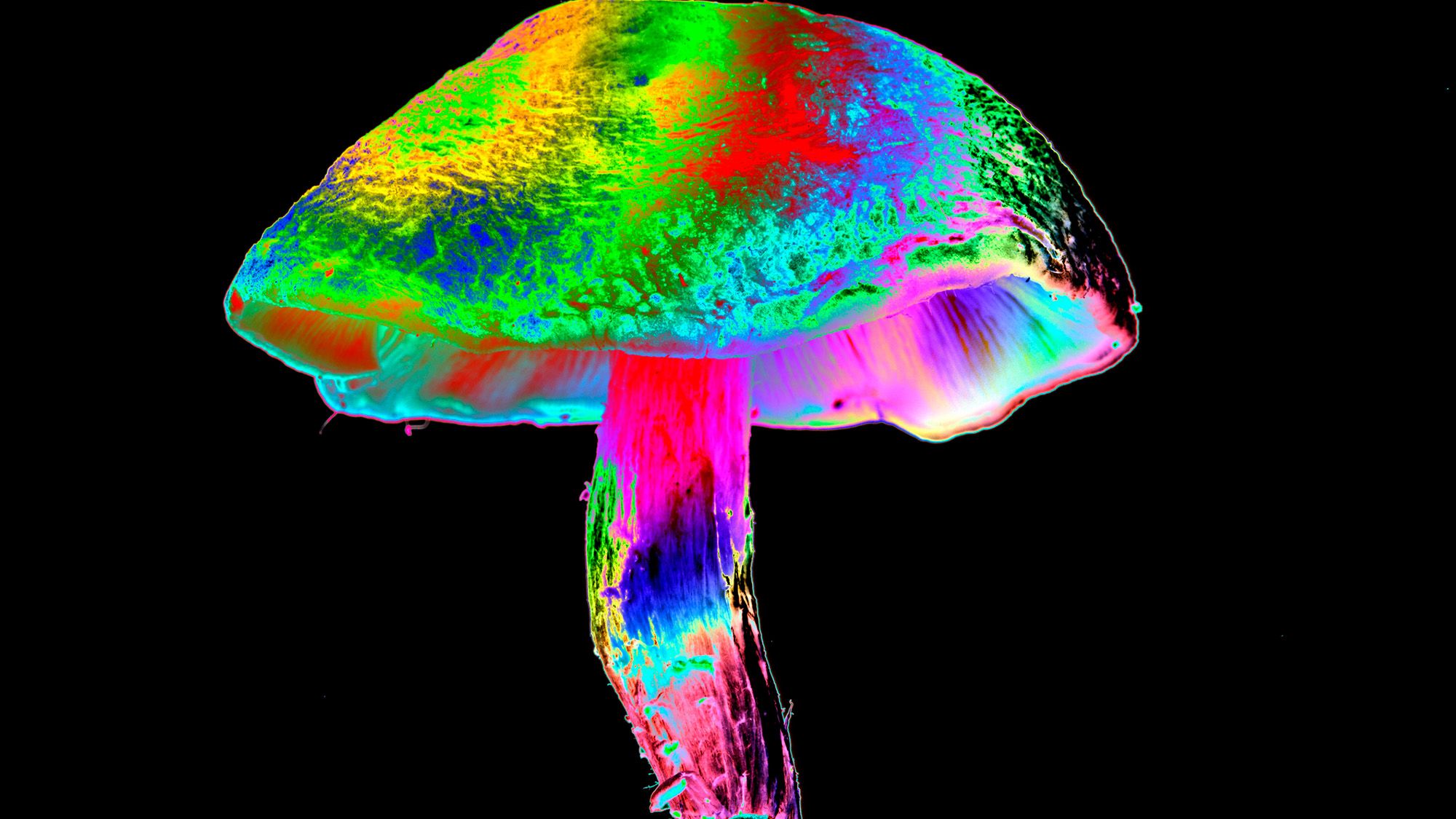
Researchers have discovered that psilocybin, the active compound found in certain mushrooms, may shield cancer patients from a debilitating side effect of chemotherapy. A new study published in the journal Science demonstrates that the psychedelic substance could help prevent chemotherapy-induced peripheral neuropathy, a condition characterized by nerve damage that causes burning sensations, tingling, and numbness in patients undergoing cancer treatment.
In experiments with mice, scientists found that two doses of psilocybin administered before chemotherapy sessions provided protection against nerve damage throughout multiple rounds of cancer drugs. The research suggests the protection works through a cellular mechanism called mitochondrial trafficking, which involves transporting energy-producing structures along nerve fibers to remote nerve endings. When chemotherapy damages these mitochondria and their transportation pathways, it depletes the energy supply neurons need to function properly. Psilocybin appeared to maintain this energy delivery system, keeping nerve cells adequately powered despite the harsh effects of cancer treatment.
The findings are particularly significant because peripheral neuropathy affects roughly one-third to one-half of patients receiving certain chemotherapy drugs. In severe cases, the condition forces doctors to reduce or discontinue treatment entirely and increases risks of falls and fractures due to mobility problems. Researchers are now preparing human clinical trials to determine whether psilocybin offers similar protection in cancer patients, with the goal of eventually improving quality of life for those undergoing chemotherapy.
Originally reported by Livescience →
About the Author