Researchers at Duke University have identified a promising new approach to prevent decompression sickness, commonly known as “the bends,” through an unconventional study involving pigs in specialized diving suits. The condition occurs when divers ascend too quickly from deep water, causing gas bubbles to form dangerously in the bloodstream and tissues. A study published in August in the journal PNAS suggests that switching breathing gases during ascent could significantly reduce this risk.
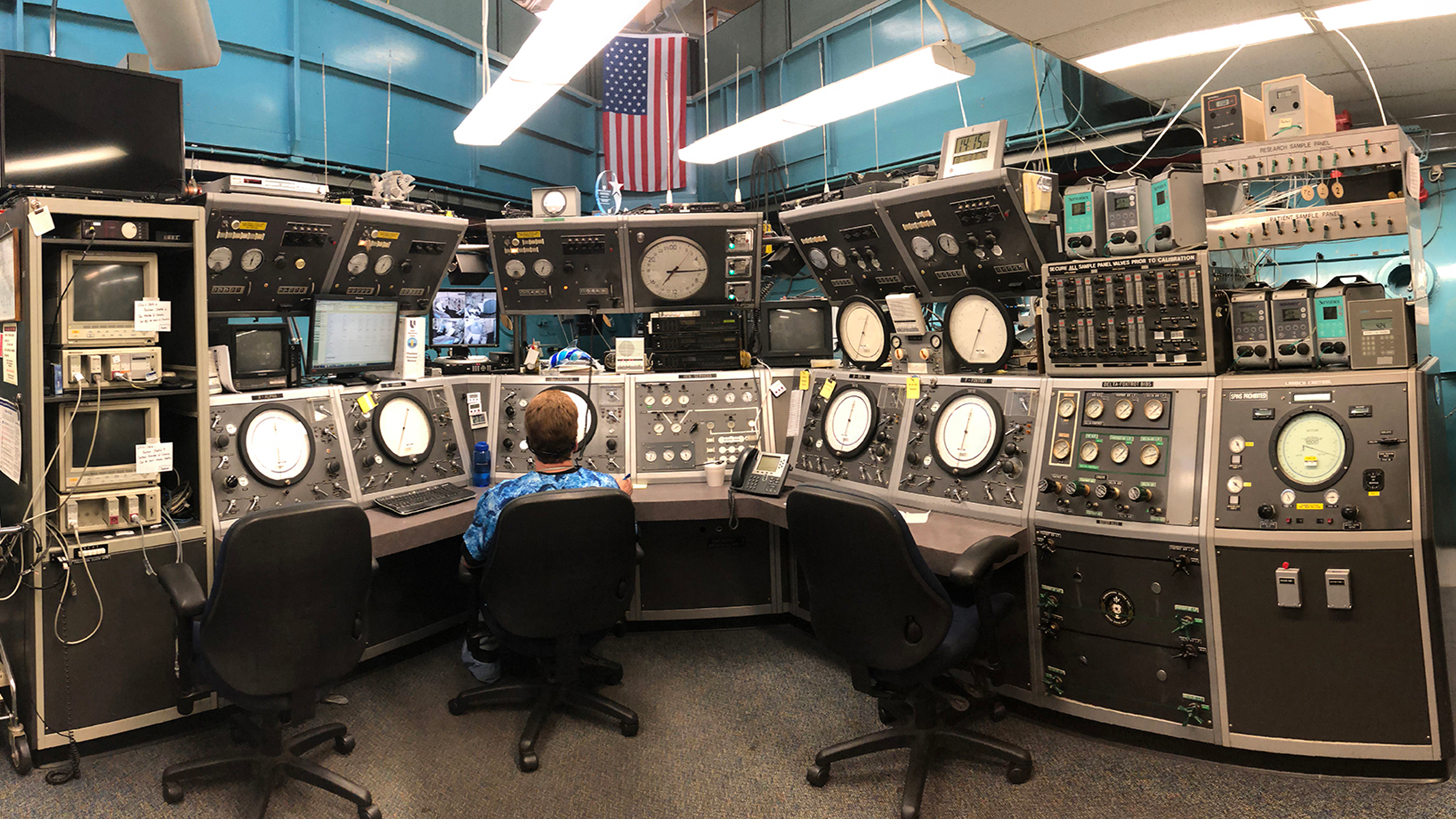
Scientists conducted experiments in a hyperbaric chamber that simulated conditions 200 feet below sea level. Forty sedated pigs participated in hour-long simulated dives, with half breathing a standard helium-oxygen mixture and half switching to a carbon tetrafluoride and oxygen combination during the final ten minutes underwater. The alternative gas mixture worked by replacing helium in the pigs’ tissues with a less soluble compound, reducing the overall amount of inert gas in their bodies before resurfacing.
The results were dramatic. Pigs that breathed only the standard gas mixture showed severe decompression sickness symptoms and experienced an over 80 percent fatality rate within three hours of surfacing. In stark contrast, none of the pigs that switched to the alternative gas died. While researchers acknowledge that practical applications for human divers remain limited due to high costs and current safety standards, they suggest the findings could benefit commercial and military diving operations seeking to improve diver safety.
Originally reported by Livescience →
About the Author