Our Fat Tissue May ‘Remember’ Obesity, Even After We’ve Lost Weight
 Another potential reason your diet isn't working.
Research into why sustained weight loss remains challenging for many people has revealed a compelling biological mechanism. Scientists have discovered that fat tissue appears to retain a lasting “memory” of obesity, even after individuals successfully shed pounds. This discovery adds to growing evidence that obesity leaves permanent marks on the body that can sabotage long-term weight management efforts.
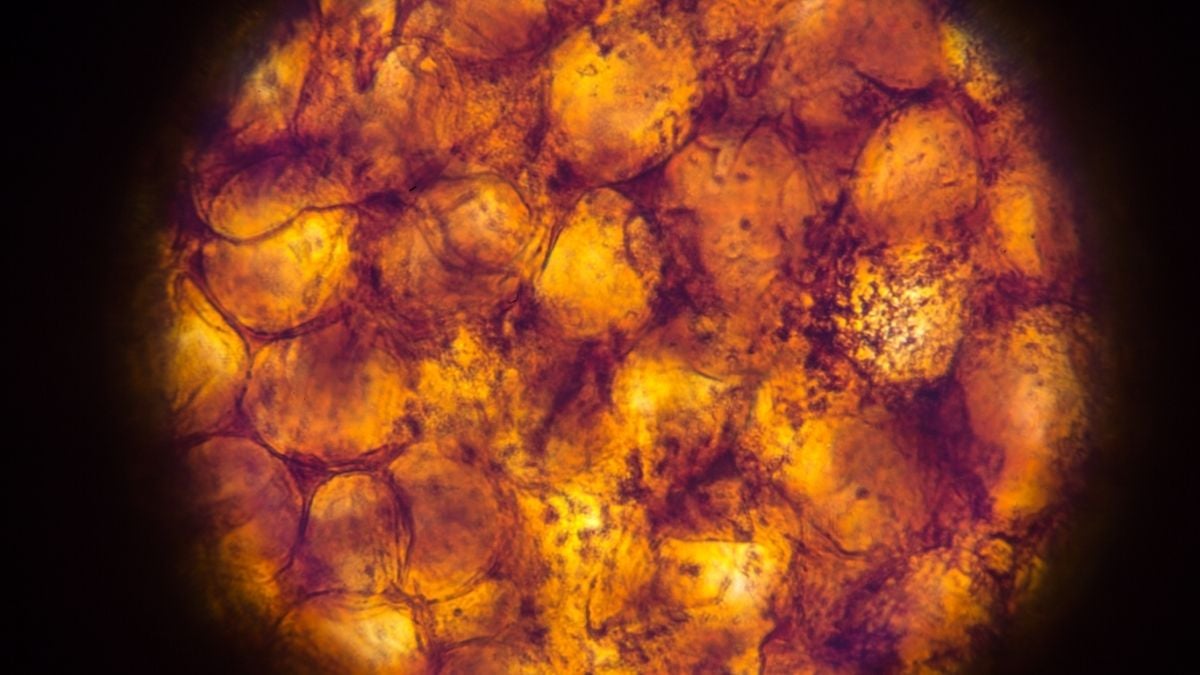
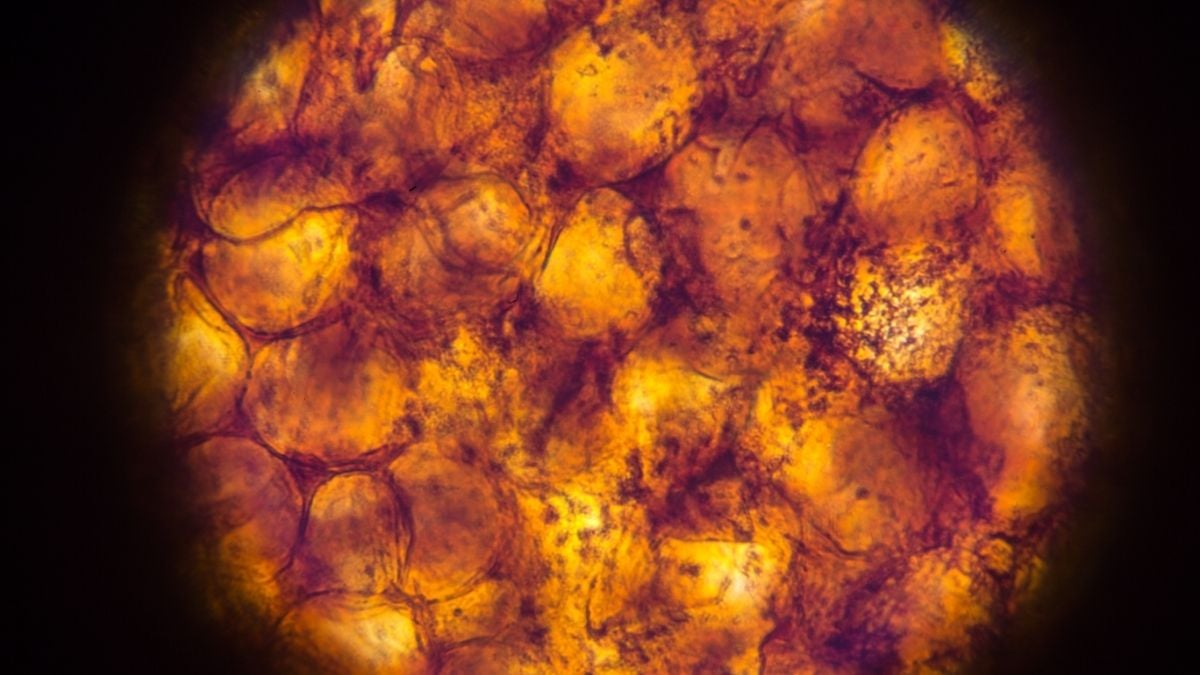
A recent study published in Science Translational Medicine examined immune cells called adipose tissue macrophages, which reside within fat tissue and play crucial roles in managing inflammation and clearing away dead cells. Researchers from Japanese institutions found that obesity causes permanent alterations in these cells’ genetic processes. Specifically, obesity reduces levels of a protein called CWC22, which normally helps edit genetic instructions that determine how cells function and create proteins.
The consequences of these alterations proved significant even after weight loss. Researchers found that more than half of the genes affected by obesity remained altered in the immune cells of mice that lost weight. These persistent changes disrupted the cells’ ability to clear waste efficiently and reduced production of molecules essential for breaking down stored fat, directly hindering weight loss efforts.
While this research was primarily conducted in mice and potential treatments remain distant, the findings provide crucial insights into how cellular memory of obesity creates physical barriers to sustained weight loss. Understanding these mechanisms at the molecular level brings scientists closer to developing targeted therapies that could overcome obesity’s lingering effects on the body.
Originally reported by Sciencealert →
About the Author