It Turns Out Chihuahuas Are Actually Part Coyote
 No wonder they're little weirdos.
A groundbreaking genetic study has revealed an unexpected connection in the ancestry of one of the world’s smallest dog breeds. Researchers at Stanford University discovered that Chihuahuas carry genetic material inherited from wild coyotes, shedding new light on the breed’s evolutionary history. The findings, published in Nature Communications, were made possible through advanced software programs designed to analyze and trace genetic ancestry across multiple animal species.
Scientists used innovative computational tools called Gnomix and Gnofix to examine the genomes of various canine breeds and map their evolutionary relationships. This analysis confirmed earlier suspicions that Mexican dog breeds like the Chihuahua and Xoloitzcuintli retained genetic traces from pre-Columbian canines rather than being purely descended from European domestic dogs. The research demonstrated that coyote genes represent a significant portion of the Chihuahua’s genetic makeup, while Arctic dog ancestry comprises over 4 percent of the Xolo genome.
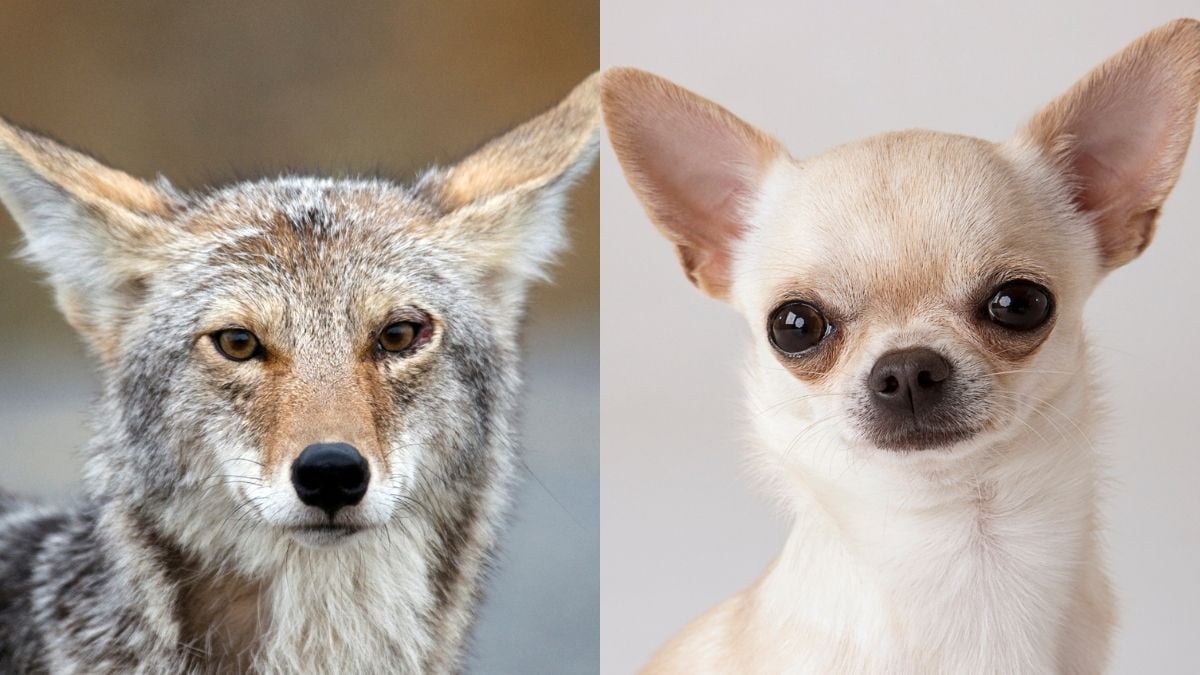
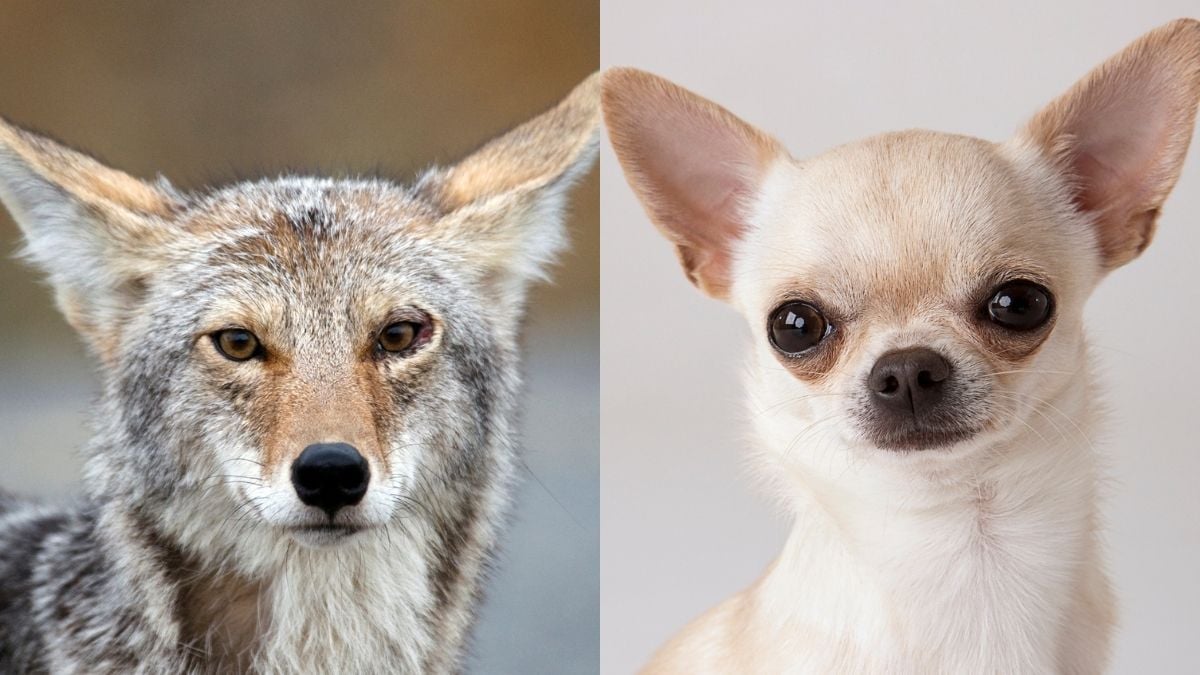
The exact timing and nature of the genetic mixing remain unclear, though evidence suggests it occurred before European contact with the Americas. Researchers cannot determine whether the interbreeding was intentional or accidental, nor which specific coyote traits modern Chihuahuas may have inherited. Some characteristics like their prominent ears and distinctive vocalizations bear resemblance to their wild ancestors, though the breed’s diminutive size was likely shaped by deliberate human selective breeding rather than coyote genetics.
Originally reported by Sciencealert →
About the Author