Scientists Identify The ‘Doomsday’ Seeds That Could Last The Longest
 Some not-so-great news for the diet of the future...
Researchers have discovered which tropical crops stored in seed banks will remain viable longest, potentially ensuring food security in the event of global catastrophe. Scientists at the Australian Grains Genebank tested thousands of seed batches dating back decades to determine their actual longevity, publishing their findings in Plant Genetic Resources.
The study examined six tropical crops, including mung beans, common beans, soybeans, sorghum, pigeon peas, and adzuki beans. Mung beans emerged as the clear winners, with some batches maintaining over 90 percent germination rates after 45 years of frozen storage. Sorghum performed similarly well, while pigeon peas showed the poorest results, with most batches dropping below acceptable viability thresholds after just three decades.
The research revealed a troubling discrepancy between theoretical predictions and real-world results. Previous models suggested seeds could remain viable for thousands of years with minimal monitoring, but actual tests showed significantly shorter lifespans. Adzuki beans, for example, averaged just 17.4 years of viability rather than the predicted centuries, prompting researchers to recommend more frequent seed rejuvenation schedules than previously thought necessary.
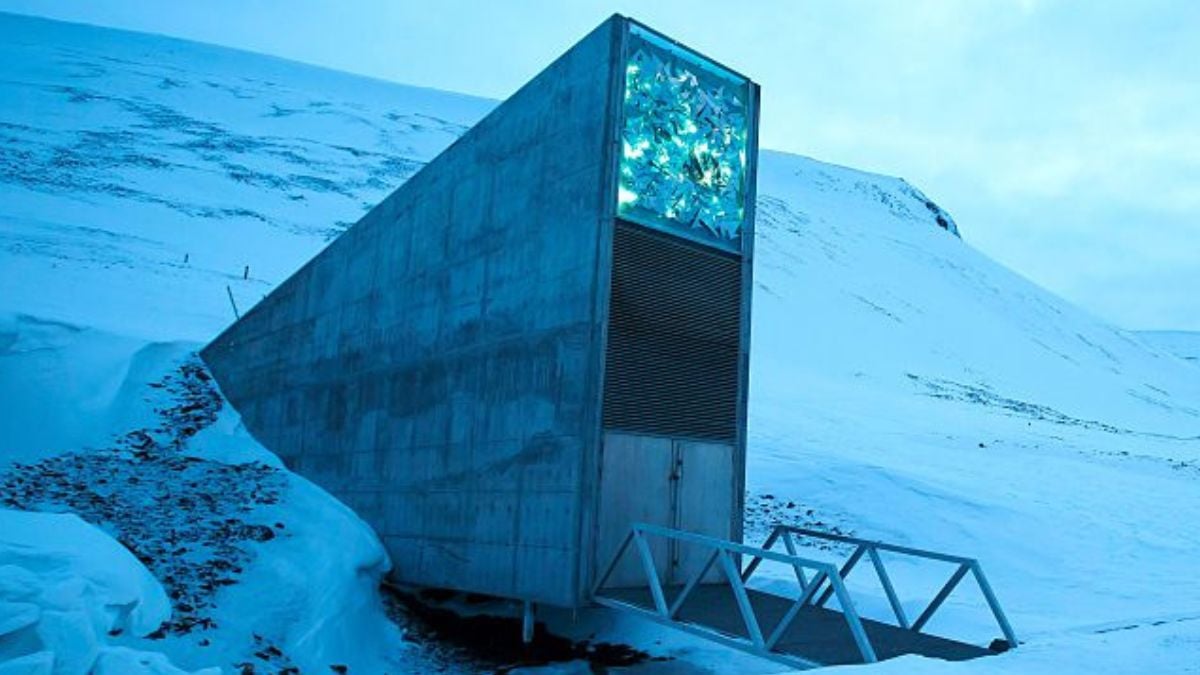
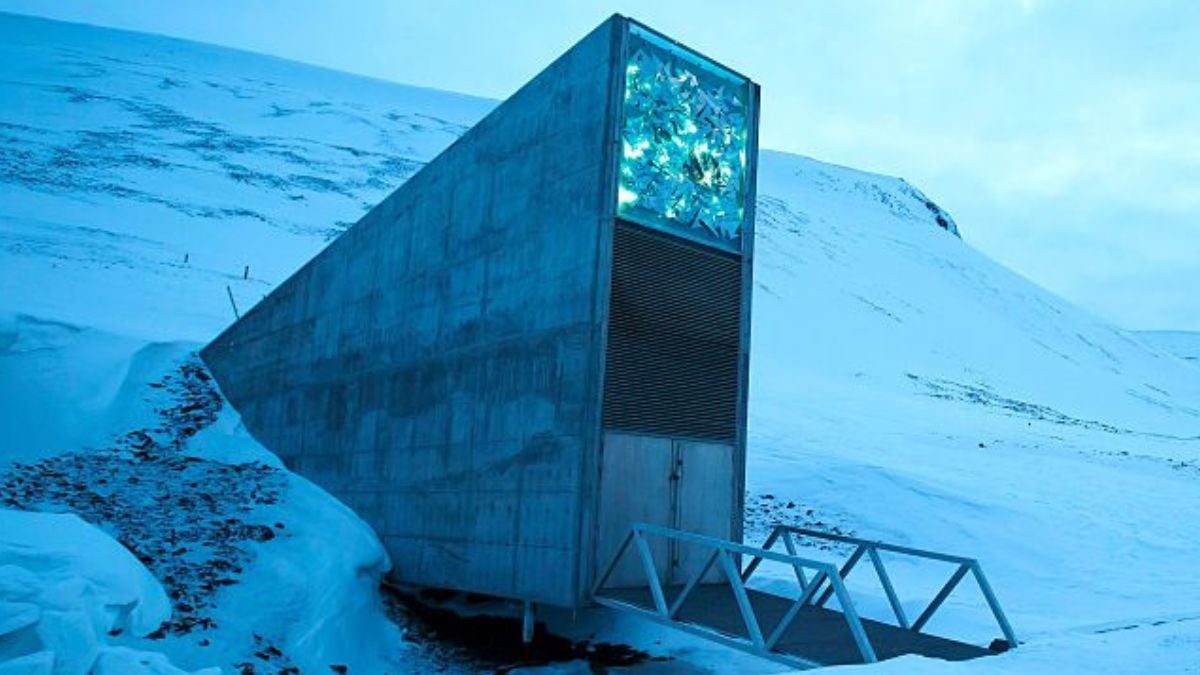
These findings have important implications for global seed banks like the famous Svalbard vault in Norway, which serve as insurance against agricultural collapse. The results suggest that maintaining humanity’s crop diversity may require more active management and regular replanting cycles than seed bank operators currently anticipate.
Originally reported by Sciencealert →
About the Author