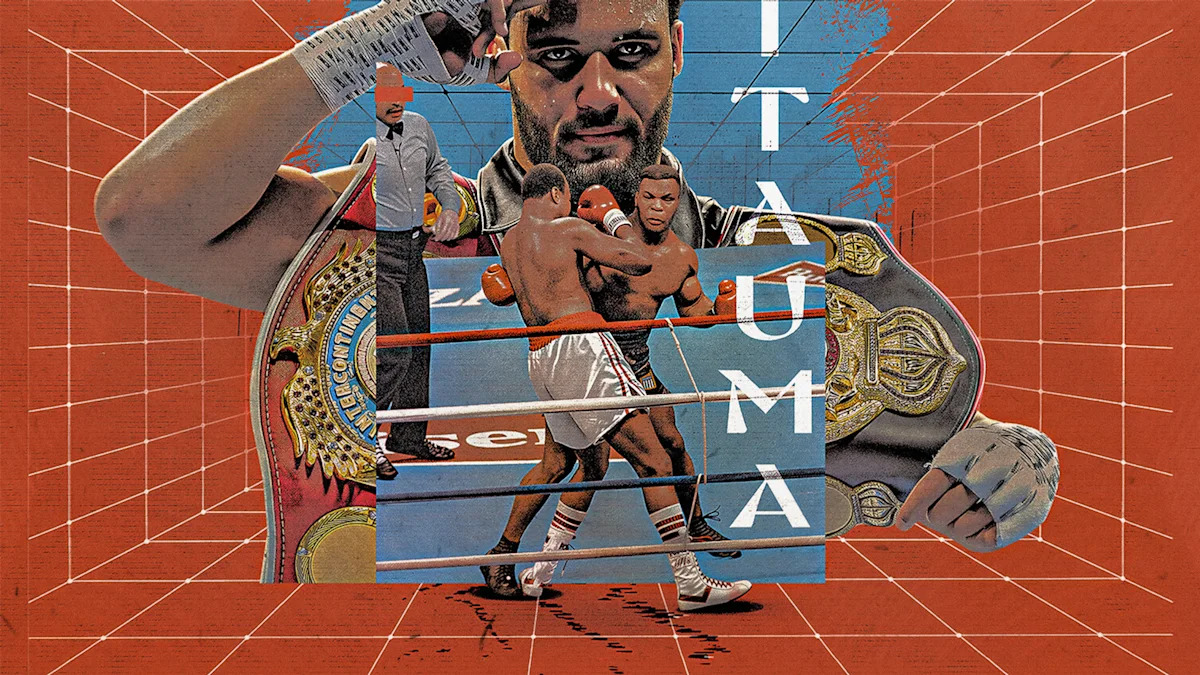
At just 21 years old, Moses Itauma stands on the precipice of boxing history. The British heavyweight prodigy faces Filip Hrgovic on Saturday in a battle for the vacant IBF heavyweight title—a fight that could make him the sport’s second-youngest world champion since Mike Tyson claimed that distinction in 1986. Itauma’s team has strategically simplified his name for marketing purposes, understanding that single-name recognition carries commercial weight. Yet beneath the branding strategy lies a fighter whose raw talent has generated genuine excitement among boxing insiders.
Comparisons to Tyson emerged early in Itauma’s professional career, initially rooted in age and ambition. However, those drawing parallels point to deeper similarities: relentless intensity, devastating power, and an uncanny ability to dispatch opponents with ease. His recent performances—a first-round demolition of Dillian Whyte and a fifth-round knockout of Jermaine Franklin—showcased not merely raw power but composure and tactical intelligence. Fighters who have sparred with him, including former champion Lawrence Okolie, describe encountering something extraordinary: a teenager who moved like a seasoned professional and possessed ring awareness that seemed almost preternatural.
Yet a curious paradox surrounds boxing’s supposed next sensation. While industry professionals unanimously praise Itauma’s exceptional talent, mainstream recognition remains elusive. The sport’s fragmentation across streaming platforms, combined with modern attention spans, creates obstacles that Tyson never faced in the 1980s. Itauma must conquer not just heavyweight contenders but also paywalls and algorithmic indifference. His upcoming title fight represents both a professional milestone and a cultural test—proof that transcendent talent can still pierce through contemporary noise.
Originally reported by Sports.yahoo →
About the Author