
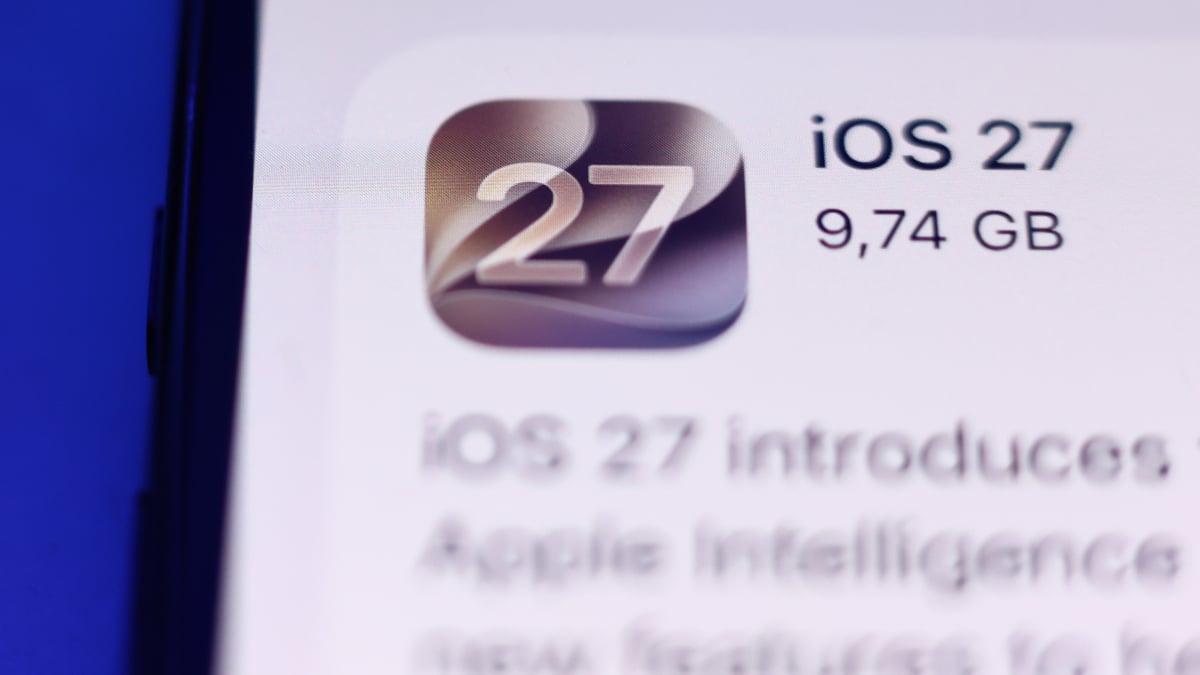
Apple’s latest operating system update, iOS 27, has begun rolling out to devices worldwide with new features including enhanced Siri capabilities powered by artificial intelligence, expanded Apple Intelligence functionality, and advanced photo editing tools. While early user feedback has been predominantly positive, some device owners have reported experiencing faster battery depletion and increased device temperature in the days immediately following the update installation.
Apple’s official support resources indicate this phenomenon is entirely normal and should not be cause for concern. When a major software update is installed, devices require a period of adjustment during which they complete various background processes. These include organizing files and data to enable system-wide search functionality, downloading necessary components for newly introduced features, and refreshing applications to their most current versions. According to Apple, this intensive background activity temporarily increases power consumption and heat generation, resulting in the temporary reduction in battery longevity and thermal stability that some users observe.
Beyond the initial setup phase, the new features themselves may alter power usage patterns once installation is complete. Advanced functions such as on-device processing for the AI-enhanced Siri and other Apple Intelligence capabilities require more computational resources than their predecessors, potentially increasing the device’s daily energy demands. Apple has stated it continues refining these features in subsequent updates to optimize the balance between new capabilities and battery performance.
This occurrence is not unprecedented. Similar battery concerns have surfaced following previous major iOS releases, making temporary power drain a predictable aspect of the update process rather than a defect worthy of alarm.
Originally reported by Mashable →
About the Author