‘Living Medication’ May Have Restored Bone Strength in 10 Patients With Advanced Osteoporosis
 An important first step.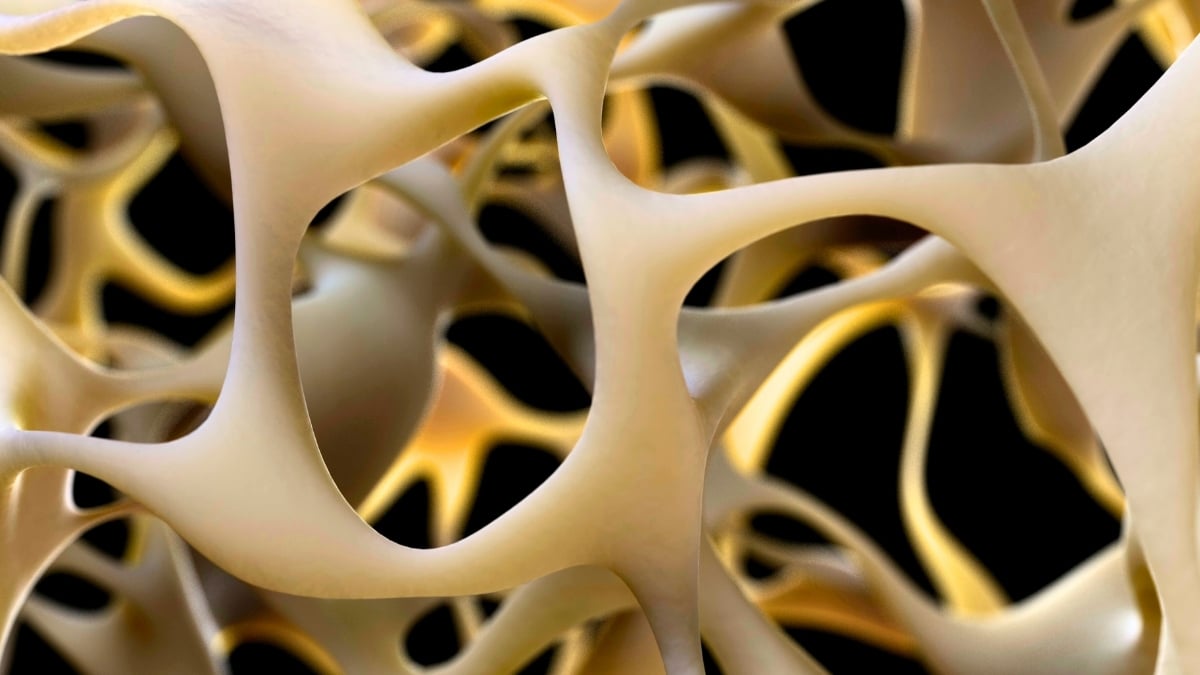
“`html
Osteoporosis affects approximately 500 million people worldwide and causes roughly 37 million fractures annually, representing a significant public health challenge. Researchers have now reported promising results from an experimental treatment approach using modified stem cells, potentially offering a new avenue for managing this progressive bone-weakening disease.
In a phase 1 trial published in Cell, scientists administered genetically modified mesenchymal stem cells to 10 women with advanced osteoporosis. The cells were extracted from each patient’s bone marrow, cultured in the laboratory, and engineered to enhance their ability to locate and repair bone tissue. After receiving an intravenous infusion of these modified cells, participants were monitored for approximately six years.
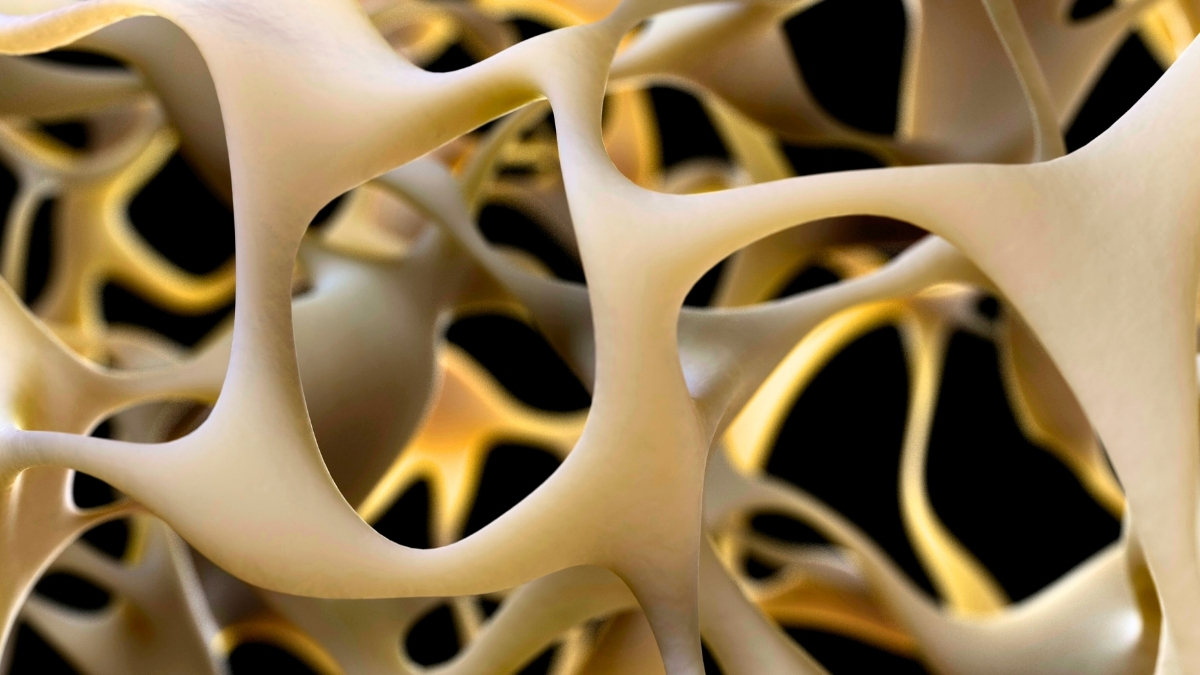
The treatment demonstrated an impressive safety profile with no adverse events reported. More notably, participants experienced a dramatic decrease in bone fractures, with incidents declining by 94 percent when comparing the two years before and after treatment. Bone tissue samples and imaging studies revealed increases in bone density and tissue formation, suggesting the modified cells successfully promoted bone regeneration, particularly in the spongy trabecular bone most affected by osteoporosis.
While these early results are encouraging, researchers acknowledge the study’s limitations, including its small size and lack of participant diversity. They emphasize that larger, more rigorous trials are necessary to confirm the findings and establish this approach as a viable treatment option for the millions of osteoporosis patients worldwide.
“`
Originally reported by Sciencealert →
About the Author