Climate change is creating conditions that will allow infectious diseases to spread into new geographic regions and populations. Research demonstrates that warming temperatures, shifting precipitation patterns, and extreme weather events are fundamentally altering disease transmission dynamics across the United States and globally.
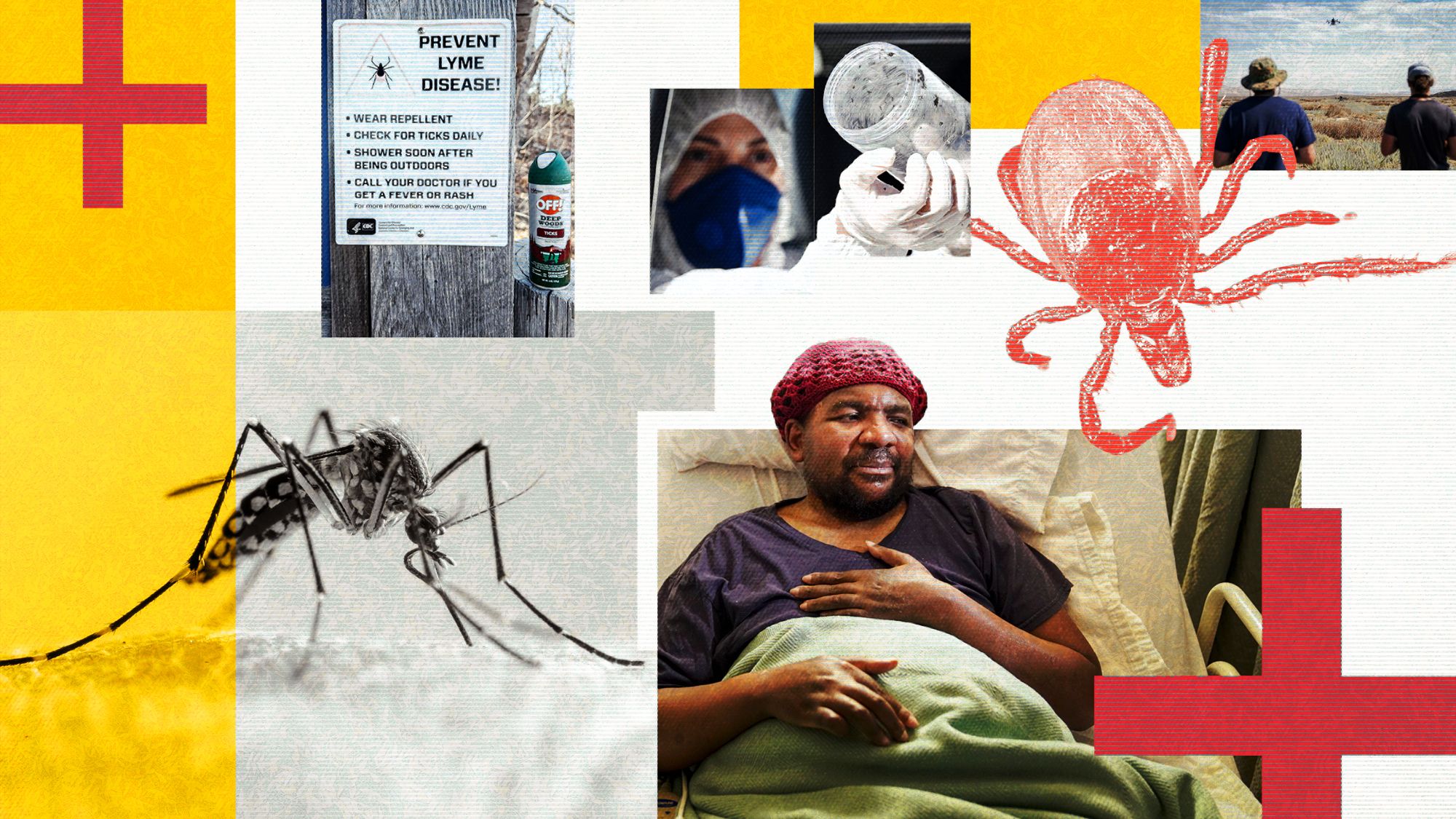
Rising temperatures are expanding the range of disease-carrying insects. Tick populations now survive longer throughout the year and migrate farther north, increasing cases of Lyme disease and other tick-borne illnesses in previously unaffected areas. Similarly, warmer conditions accelerate mosquito reproduction and virus development within these insects, intensifying transmission of West Nile virus and potentially enabling the return of dengue fever and malaria to the southeastern United States. Drought conditions paradoxically increase disease concentration, as birds congregate around limited water sources, raising infection rates among mosquito populations.
Climate-related disasters compound infection risks. Severe flooding creates breeding grounds for mosquitoes while contaminating water supplies with pathogens like leptospirosis. Extreme weather also disrupts public health infrastructure and disproportionately affects vulnerable communities. Additionally, drought conditions are fostering antibiotic-resistant bacteria in soil, which can transfer resistance genes to human pathogens through environmental contact.
Experts emphasize that addressing these overlapping threats requires simultaneous action on multiple fronts: reducing greenhouse gas emissions, improving antibiotic stewardship, strengthening disease surveillance systems, and enhancing global sanitation practices. The cascading nature of climate-driven health threats demands comprehensive public health and climate mitigation strategies to protect populations worldwide.
Originally reported by Livescience →
About the Author