In a Major Breakthrough, Physicists Directly Image The Quantum Fluctuations of Empty Space
 Say cheese!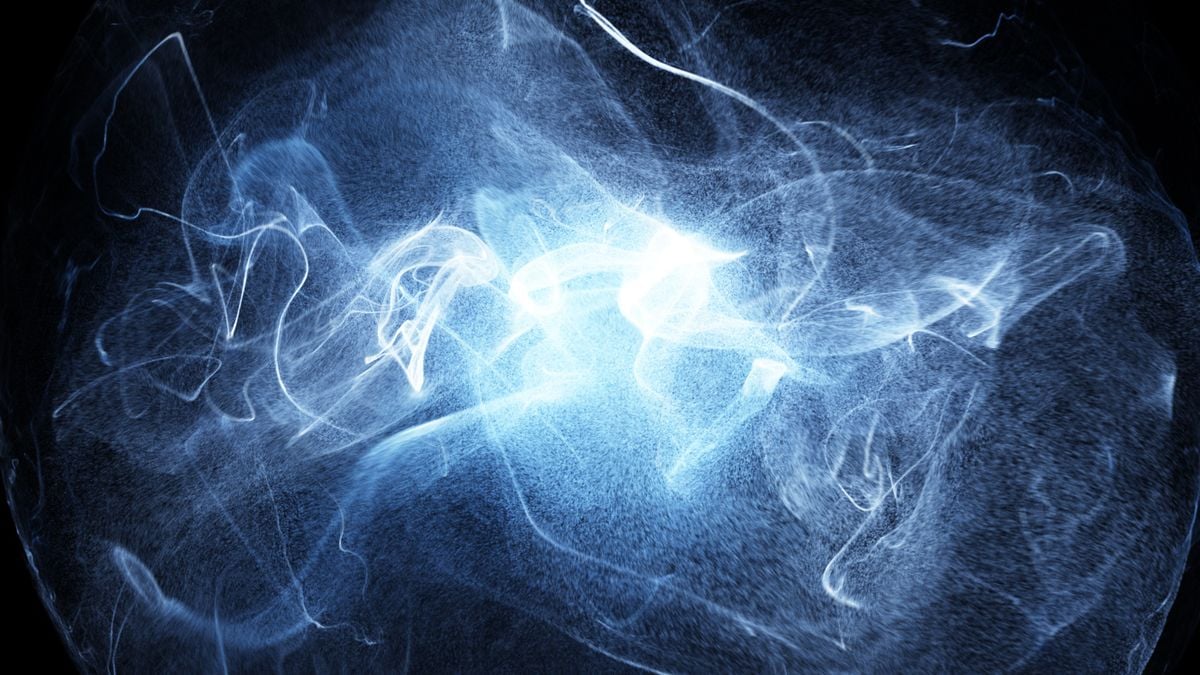
“`html
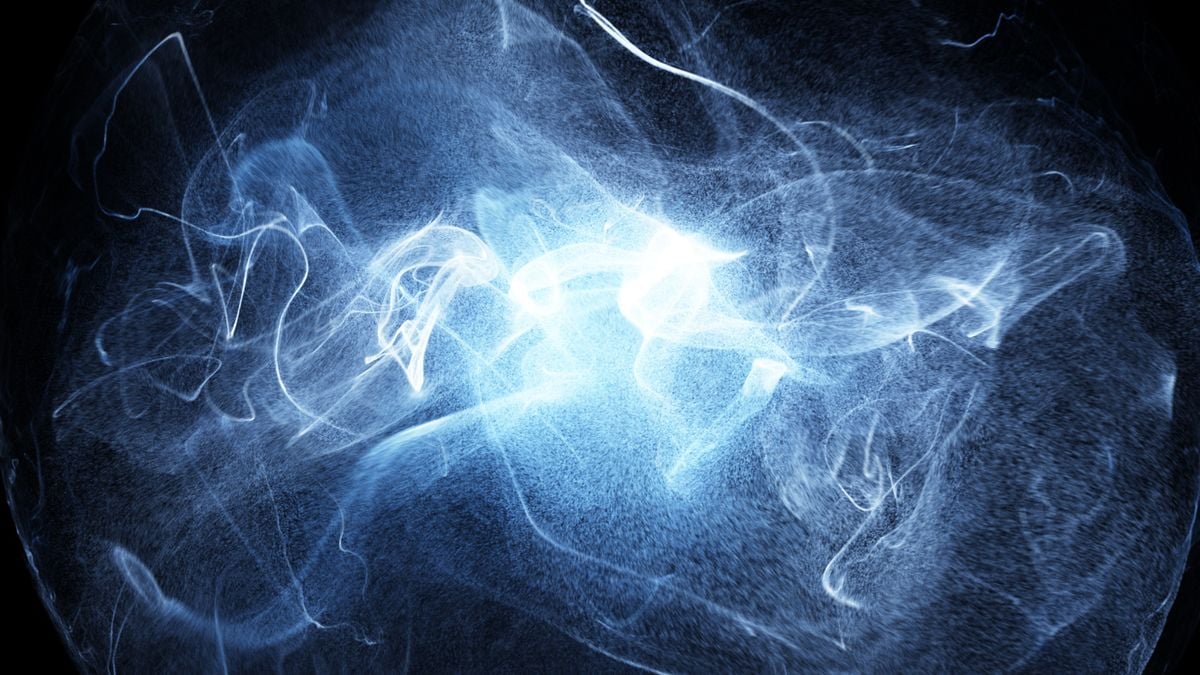
Physicists have achieved a significant milestone by directly observing quantum fluctuations within a laboratory-created quantum field. Researchers led by Yansheng Zhang at the University of Cambridge conducted experiments using a two-dimensional cloud of ultracold potassium-39 atoms, known as a Bose-Einstein condensate, cooled to near absolute zero. By manipulating the atoms’ internal spin states using radio waves, the team effectively constructed an artificial quantum field that could be studied and imaged, allowing them to visualize fluctuations that would otherwise remain imperceptible.
According to quantum mechanics, truly empty space is never truly vacant. The Heisenberg uncertainty principle dictates that certain paired properties cannot simultaneously possess precisely defined values, resulting in unavoidable fluctuations even in the lowest energy state. These vacuum fluctuations have real consequences throughout the universe, affecting everything from atomic decay processes to the behavior of electrons in hydrogen atoms, and even potentially influencing the formation of cosmic structures following the Big Bang.
The team’s experimental approach was ingenious. After preparing their spin field in a near-ground state, they suddenly altered the coupling strength between atomic states, deliberately amplifying the subtle fluctuations already present. This amplification transformed microscopic quantum variations into measurable oscillations that could be detected and imaged. By comparing these results with unamplified measurements across different frequencies, the researchers confirmed they were observing genuine quantum vacuum fluctuations rather than thermal noise or experimental errors, opening new avenues for simulating relativistic quantum fields in laboratory settings.
“`
Originally reported by Sciencealert →
About the Author