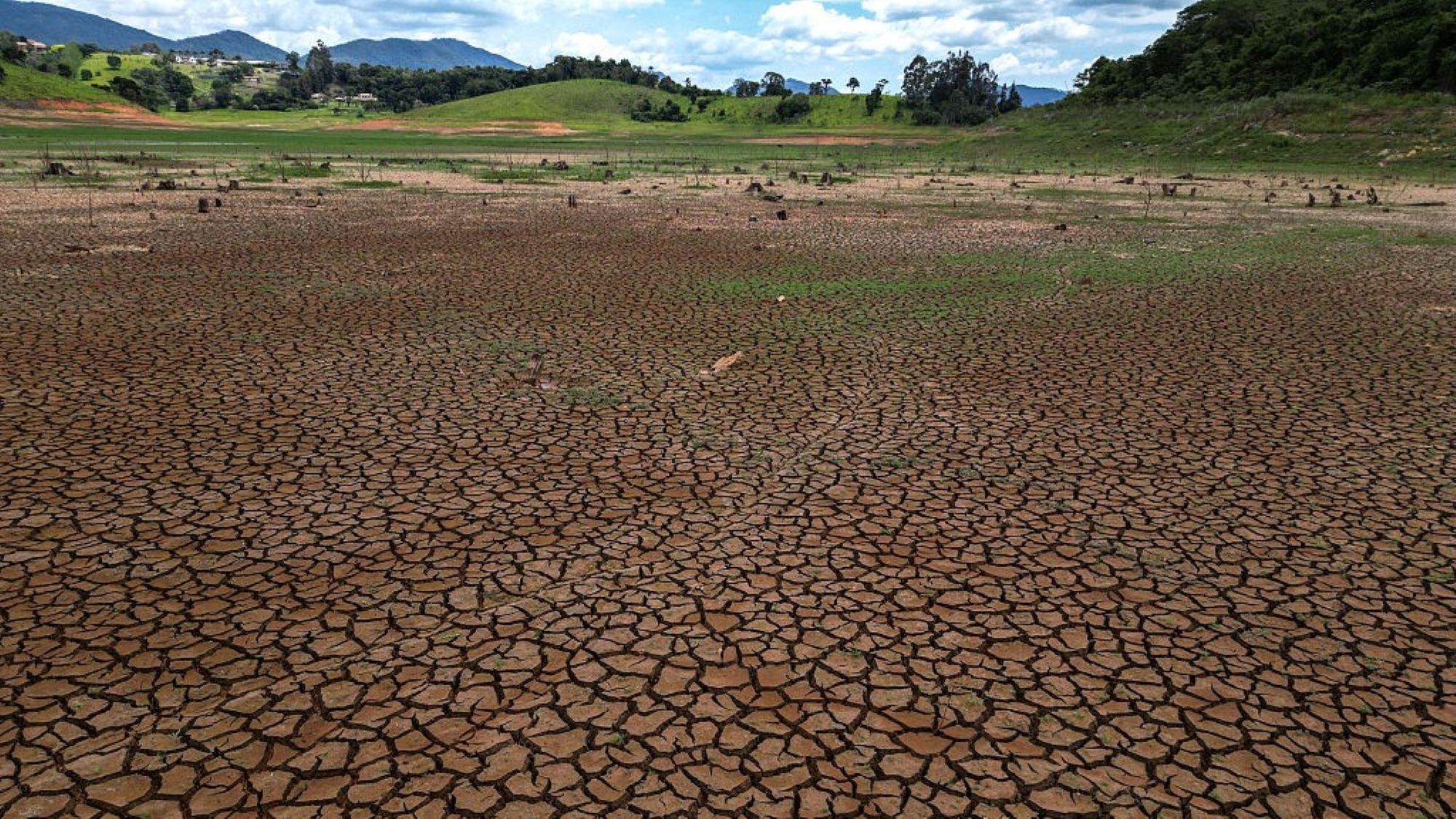
Brazil’s vast underground water reserves have experienced significant depletion over the past quarter-century, threatening the nation’s water security and potentially affecting global food supplies. New research using artificial intelligence to analyze groundwater patterns reveals that aquifers covering nearly a quarter of Brazil’s land area have suffered severe, persistent losses. The depletion stems from a combination of prolonged droughts, increased evaporation linked to climate shifts, and intensive pumping for agriculture, industry, and urban consumption. Since these underground reserves currently provide more than half of Brazil’s water, their deterioration raises serious concerns about the country’s future stability.
The regions most affected by groundwater decline overlap significantly with areas that produce massive quantities of globally important crops. Brazil supplies the majority of the world’s soybeans, sugarcane, oranges, and coffee, along with substantial portions of cotton and corn. Agricultural experts warn that while production may remain stable for the next two decades, continued groundwater depletion could eventually force farmers to switch to less water-intensive crops or reduce irrigation in certain regions. Nations heavily dependent on Brazilian agricultural exports—particularly China, which imports roughly 80 percent of its soybeans from the country—face potential supply disruptions if these trends accelerate.
Beyond agriculture, vanishing groundwater threatens Brazil’s hydroelectric infrastructure, which currently generates 60 percent of the nation’s electricity. Declining aquifer levels could reduce river flows necessary for power generation, forcing the country to rely more heavily on fossil fuels and biomass. This shift would increase carbon emissions and potentially worsen the climate change driving the water crisis in the first place. Researchers emphasize that while aquifers may not disappear entirely, accessing water could become progressively more expensive and unreliable for both farmers and city residents in major urban centers.
Originally reported by Livescience →
About the Author