Earthquakes strike without warning, but preparation and quick thinking can significantly minimize injury risks. Understanding what to do before tremors begin, during the shaking, and in the aftermath is essential for personal safety. Taking proactive steps now can make a critical difference when an earthquake occurs.
Before an earthquake happens, securing your environment is crucial. Stabilize tall furniture like bookshelves and cabinets by anchoring them to walls, and relocate heavy items to lower shelves. Learning how to safely shut off gas, electricity, and water supplies is vital. Additionally, assembling an emergency kit containing water, food, first-aid supplies, flashlights, batteries, a radio, a whistle, medications, and important documents ensures you are prepared for disruptions to power and communications.
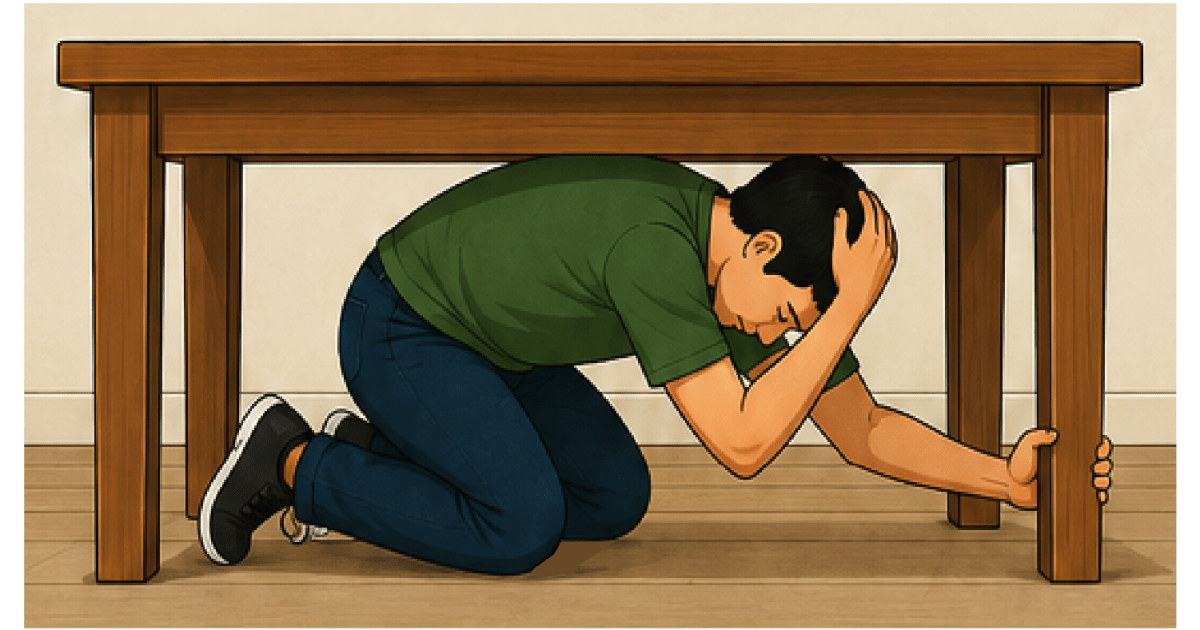
When shaking begins, the safest approach depends on your location. Indoors, experts recommend staying inside and following the “Drop, Cover, Hold On” method: drop to your hands and knees, take shelter under a sturdy table or desk while protecting your head and neck, and hold on until shaking stops. If outdoors, move to an open area away from buildings and hazards. In vehicles, pull over safely and remain inside until movement ceases.
After the shaking stops, assess yourself and others for injuries and scan for dangers. Remember that aftershocks may follow, and hazards such as gas leaks, damaged electrical wiring, and debris remain threats. Use phones sparingly to avoid network overload, and stay informed through official channels while helping others when safe.
Originally reported by Aljazeera →
About the Author