
Hidden Pulses Within Your Brain May Hold Your Thoughts Together
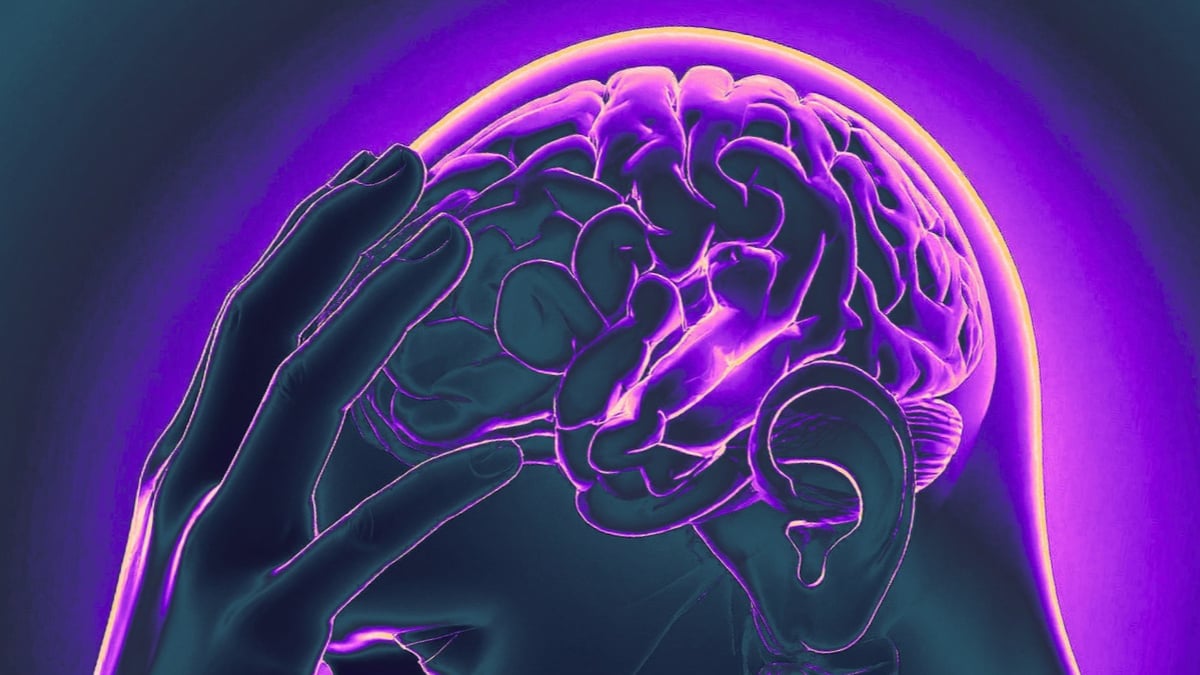 The findings offer a compelling possibility.
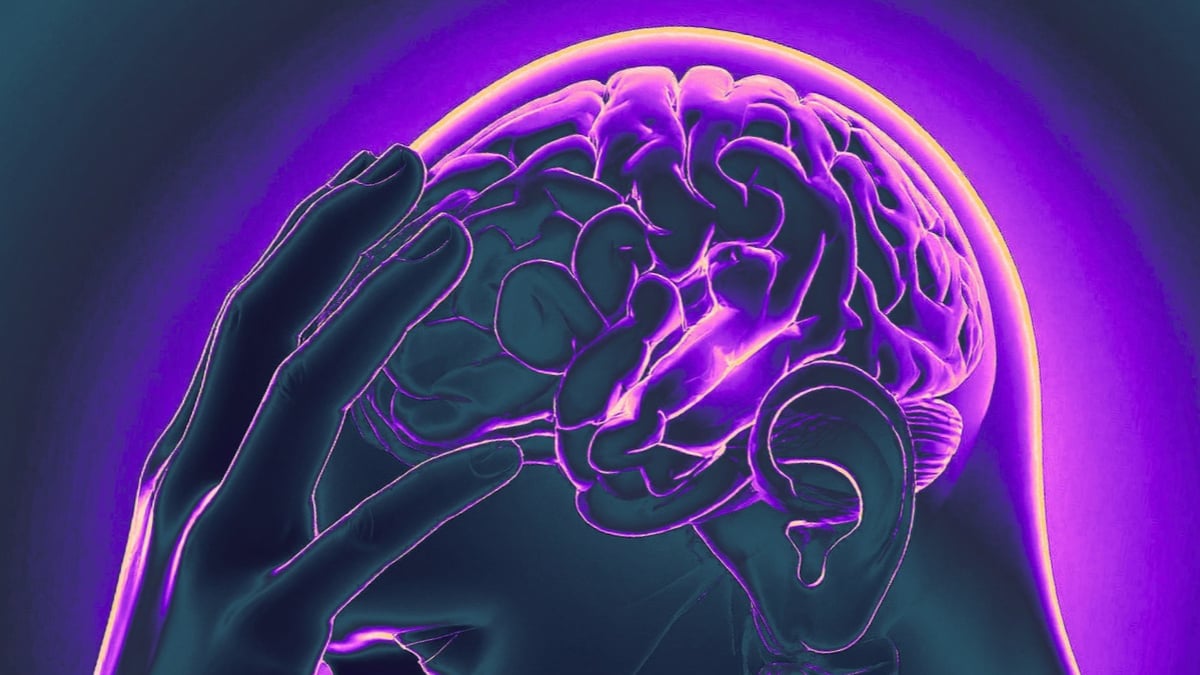
“`html
Researchers have identified a potential mechanism that allows different regions of the brain to work together seamlessly, even when separated by considerable distances. Scientists from the University of California San Diego discovered that distant brain areas can synchronize their activity during moments when we process and store information, enabling separate mental components to merge into unified thoughts.
The study examined electrical activity in the brains of 35 patients with treatment-resistant epilepsy who already had monitoring electrodes implanted for medical purposes. When participants completed memory tasks, researchers observed brief, synchronized bursts of neural activity called ripples occurring simultaneously across distant brain regions. These ripples lasted only about one-tenth of a second but increased the likelihood that neurons in different areas would fire together by approximately 30 percent, with some tasks showing increases up to 49 percent.
The coordination was remarkably extensive, linking brain regions separated by up to 220 millimeters and even connecting opposite brain hemispheres. When memory tasks became more challenging, the synchronized signaling strengthened significantly. This synchronized rhythm may represent the brain’s fundamental mechanism for binding information—allowing a face processed in one area, a name processed elsewhere, and contextual memories from another region to combine into a single, coherent experience.
While these findings suggest how thoughts maintain coherence during active thinking, researchers acknowledge limitations. The study was conducted exclusively with epilepsy patients using medically-positioned electrodes, and further investigation in healthy brains is necessary to fully understand the implications for memory and cognition.
“`
Originally reported by Sciencealert →
About the Author