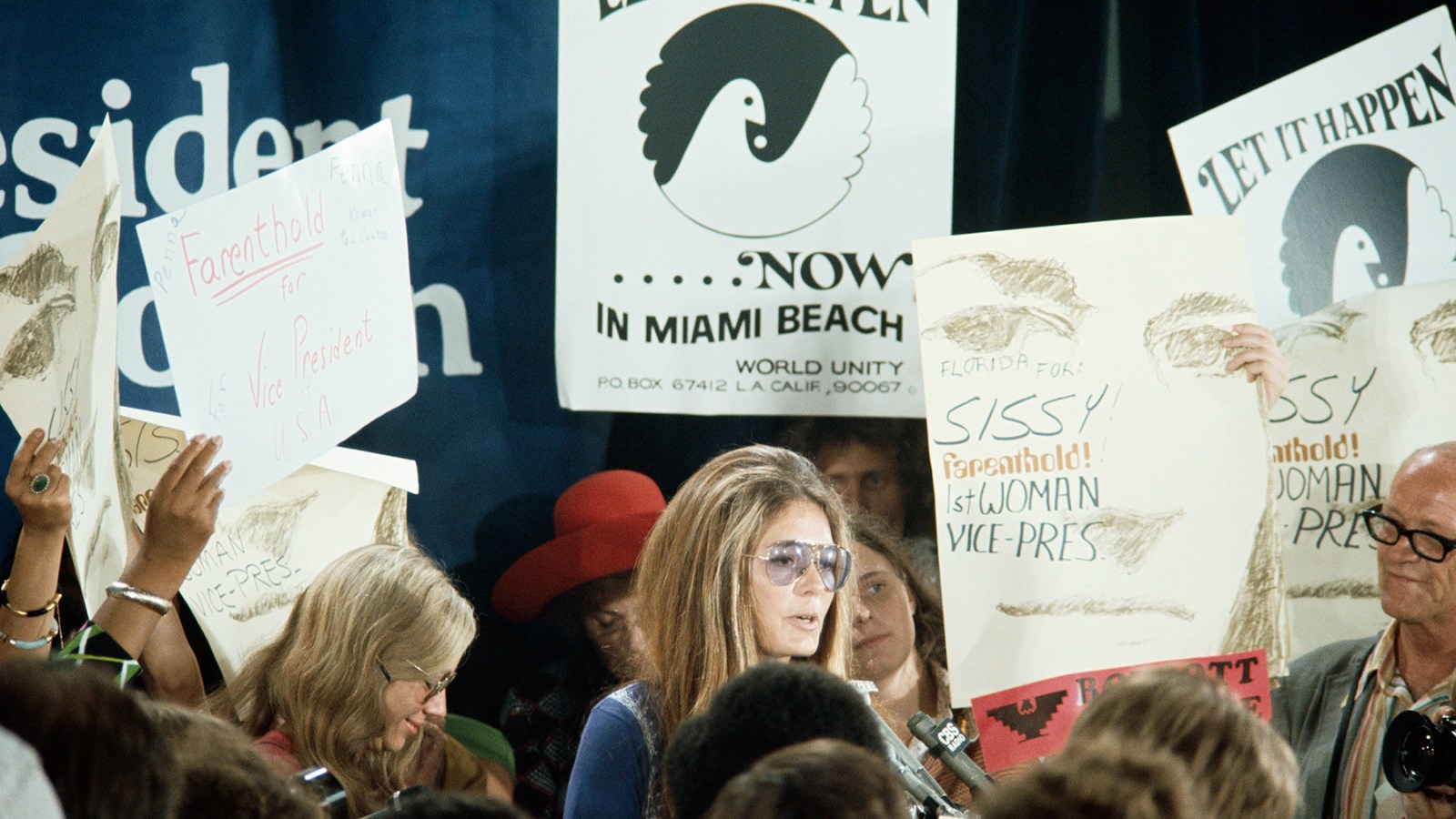
Gloria Steinem, a towering figure in the American feminist movement, passed away at 92 after nearly seven decades dedicated to advancing women’s rights and social justice. Rather than seeking elected office, Steinem wielded influence as a writer, journalist, and organizer, demonstrating that meaningful change need not come from within traditional power structures. Her legacy extends far beyond her individual achievements, having inspired generations of female leaders and activists who cite her as a formative influence on their careers.
Steinem’s message to activists was unambiguous: voting represents the bare minimum of civic engagement, not its pinnacle. She emphasized that democratic participation requires sustained community effort and shared values built through continuous activism. Throughout her life, Steinem fostered dialogue among women through gatherings at her home and co-founded the National Women’s Political Caucus, an organization that identified and supported female candidates nationwide, fundamentally reshaping political representation.
The feminist movement faces significant challenges today, with reproductive rights removed from federal protection and conservative political forces actively working to reverse decades of progress on gender equality and women’s autonomy. Yet the institutional foundations Steinem helped establish remain resilient. Prominent figures including Hillary Clinton and Oprah Winfrey have credited Steinem with creating pathways for women across politics, sports, science, and countless other fields, affirming that her transformative work continues benefiting millions of women who may never know her name.
Originally reported by Rollingstone →
About the Author