First Human Trial of Poop Transplant to Treat Food Allergies Shows Promising Results
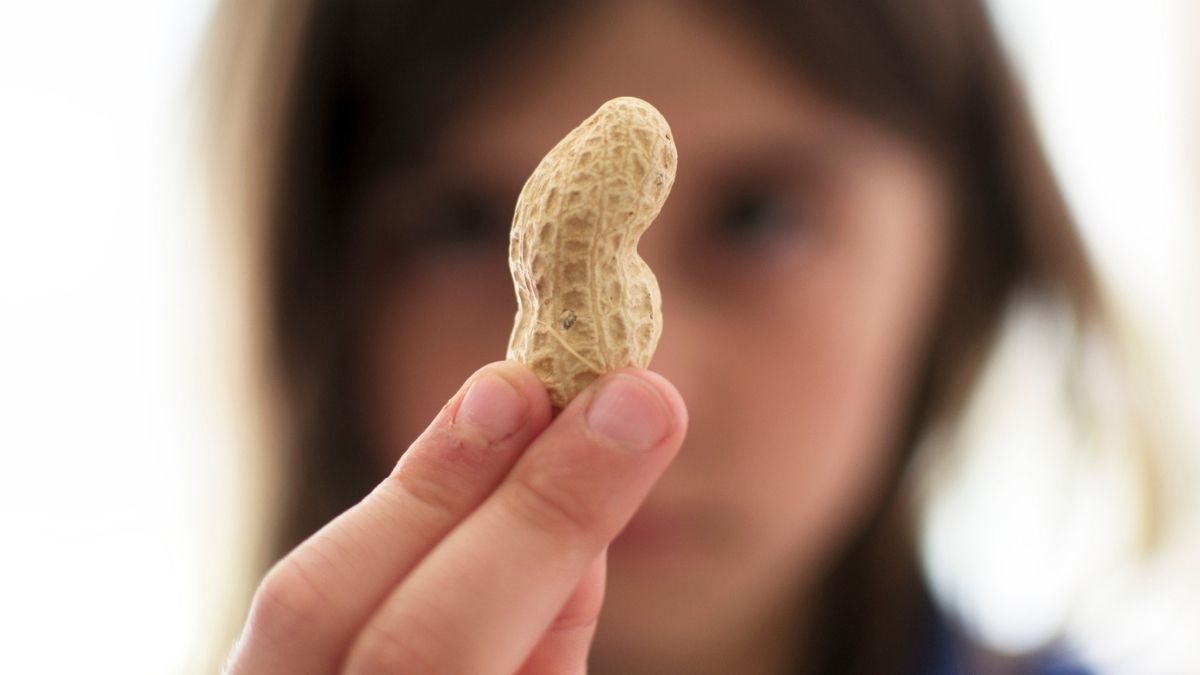 In a new study, transplanted microbiomes that were removed from donors' excrement helped resolve some people's severe allergic reactions.
“`html
Researchers at Boston Children’s Hospital have completed the first human trial testing fecal microbiota transplants as a treatment for peanut allergies, with encouraging preliminary results. The study involved 15 adults with severe peanut sensitivities who received capsules containing processed gut bacteria from healthy donors. The treatment was generally safe, with no major adverse events reported among participants.
In a significant finding, approximately 40 percent of participants showed meaningful improvement in their peanut tolerance following the transplant. Some individuals who received antibiotics prior to treatment experienced particularly notable gains, with tolerance levels increasing up to six-fold. Remarkably, these improvements persisted for at least four months, the duration of the study period. The researchers noted that achieving similar tolerance levels through conventional daily oral immunotherapy typically requires around six months of treatment.
Laboratory investigation revealed that specific bacterial species from the genus Bacteroides appeared responsible for the protective effect. When researchers introduced bacteria from successful patients into germ-free mice, the animals showed reduced likelihood of developing food allergies and improved protection against allergic reactions. The bacteria appear to work by activating regulatory immune cells that dampen allergic responses.
While these results demonstrate promise, researchers caution that larger, placebo-controlled trials are necessary before this approach becomes available as a standard treatment. The current study’s small sample size and lack of a control group limit the conclusions that can be drawn, but the findings establish a foundation for future investigation into microbiome-based allergy therapies.
“`
Originally reported by Sciencealert →
About the Author