“`html
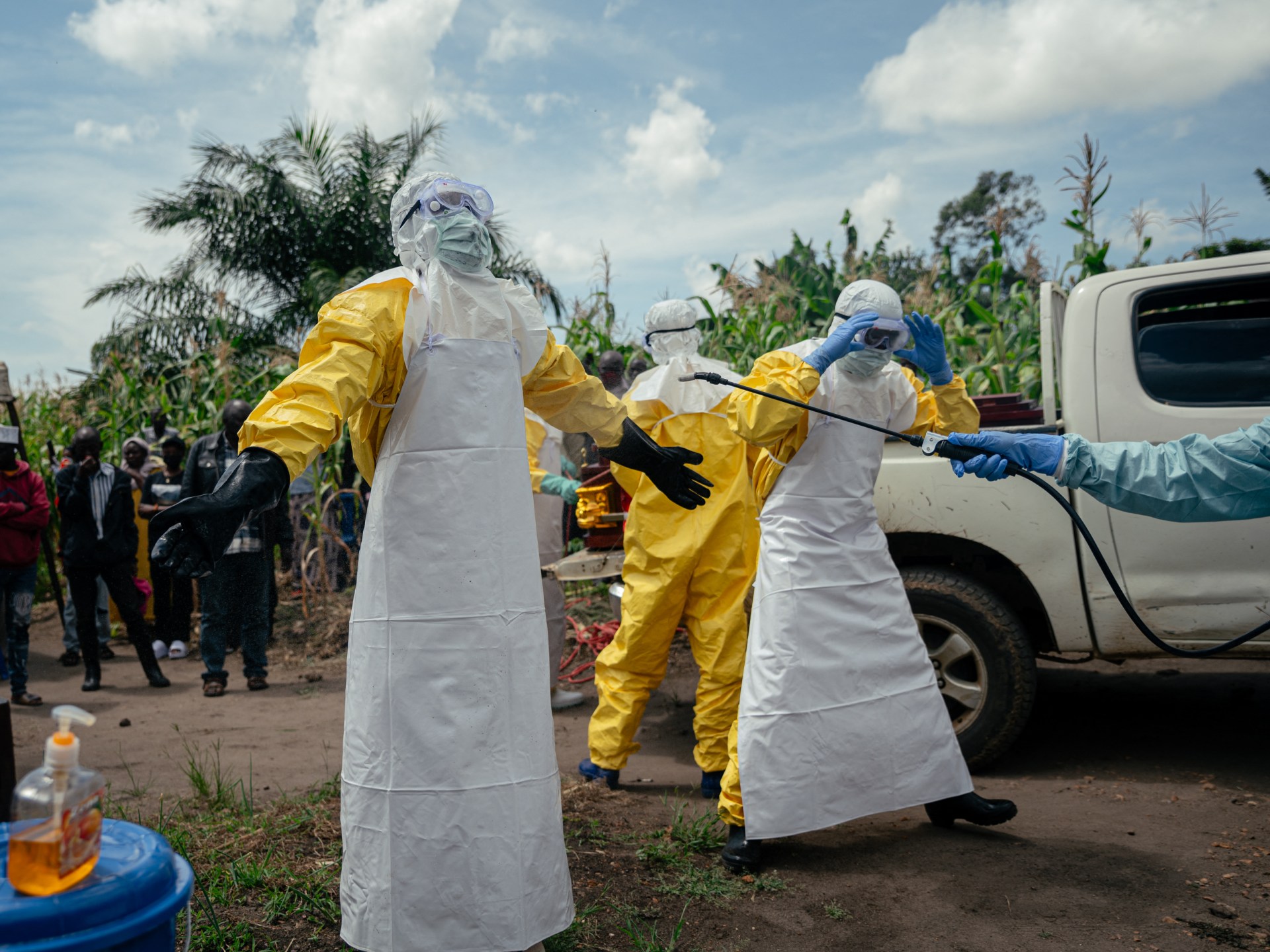
A devastating Ebola outbreak currently sweeping through the Democratic Republic of the Congo has claimed over 2,000 lives, with researchers now identifying the source of the crisis. According to findings published in Nature Medicine, the outbreak resulted from a direct transmission event from animals to humans, rather than stemming from earlier epidemic strains. This discovery marks a significant finding as scientists work to understand how the virus initially reached the human population.
The Bundibugyo strain responsible for the outbreak represents a particularly concerning variant, as it spreads at unprecedented rates and currently lacks an effective vaccine. The World Health Organization warns that without intervention, this outbreak could surpass the devastating 2014-2016 West African crisis, which killed over 11,000 people. Experts project the situation could peak within six to twelve months under various scenarios, depending on containment efforts.
While the animal-to-human transmission origin is significant, infectious disease specialists emphasize that this does not make the virus inherently more dangerous or change treatment approaches. Instead, the primary concern lies in human-to-human transmission dynamics and the absence of proven therapeutics specifically designed for this strain. Medical teams continue relying on supportive care measures while investigational treatments undergo evaluation in response to the rapidly evolving health emergency.
“`
Originally reported by Aljazeera →
About the Author