
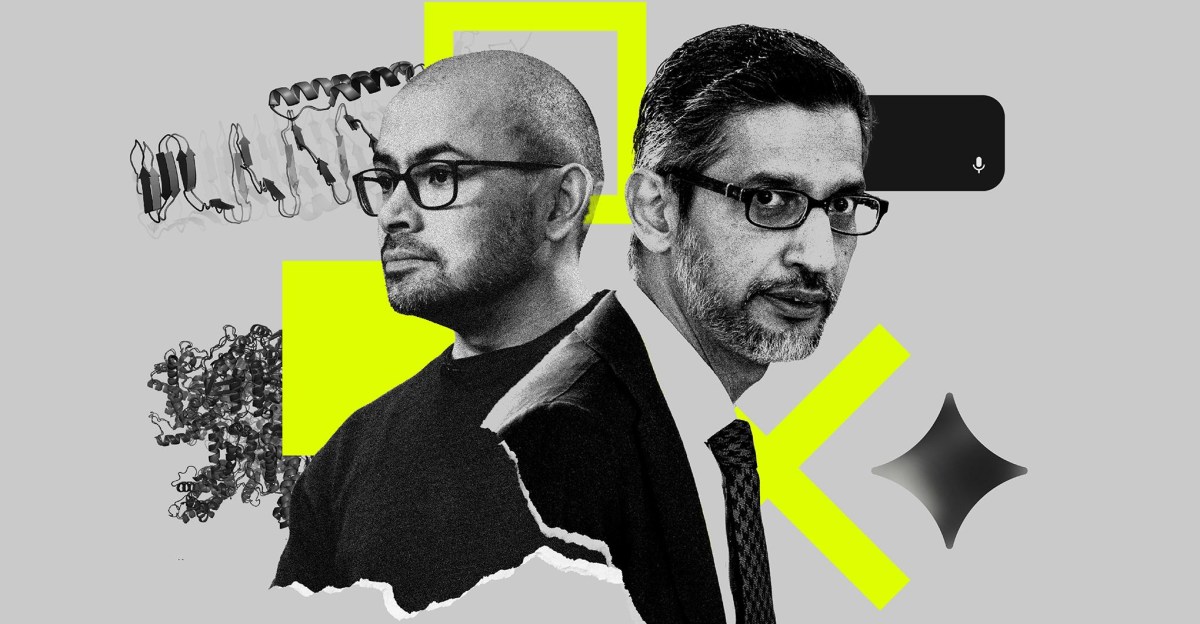
Google announced a significant reorganization of its artificial intelligence division this week, with Chief Scientist Jeff Dean departing to launch his own startup and DeepMind CEO Demis Hassabis transitioning to focus on longer-term research initiatives. The moves have sparked widespread industry speculation about whether the search giant is losing ground in the competitive race to develop advanced AI systems.
Despite Google’s substantial advantages—including its dominant search platform, massive data resources, and financial capacity to invest heavily in AI research—the company has fallen behind competitors like OpenAI and Anthropic in recent months. Industry observers note the concerning contrast between Google’s structural dominance and its struggle to maintain technological leadership at the frontier of AI development. Multiple senior researchers departing signals potential broader challenges in retaining top talent.
The reorganization reflects a fundamental tension within Google between pursuing cutting-edge research and developing commercially viable products. With Hassabis stepping back from operational leadership and Dean’s departure, the company appears to be prioritizing product-focused engineering over fundamental research pursuits. Google’s culture of lengthy decision-making processes and bureaucratic structures may hinder its ability to maintain competitive momentum in a rapidly evolving field where agility increasingly matters.
Questions persist about whether Google genuinely aims to lead in frontier AI development or would be satisfied remaining competitive enough to enhance its existing products while profiting from cloud infrastructure sales to leading AI competitors. The answer may determine whether these organizational changes represent strategic recalibration or the beginning of a longer-term competitive decline.
Originally reported by Theverge →
About the Author