Gout Is Surging in Young Men, And It Could Be Fueling Erectile Dysfunction Too
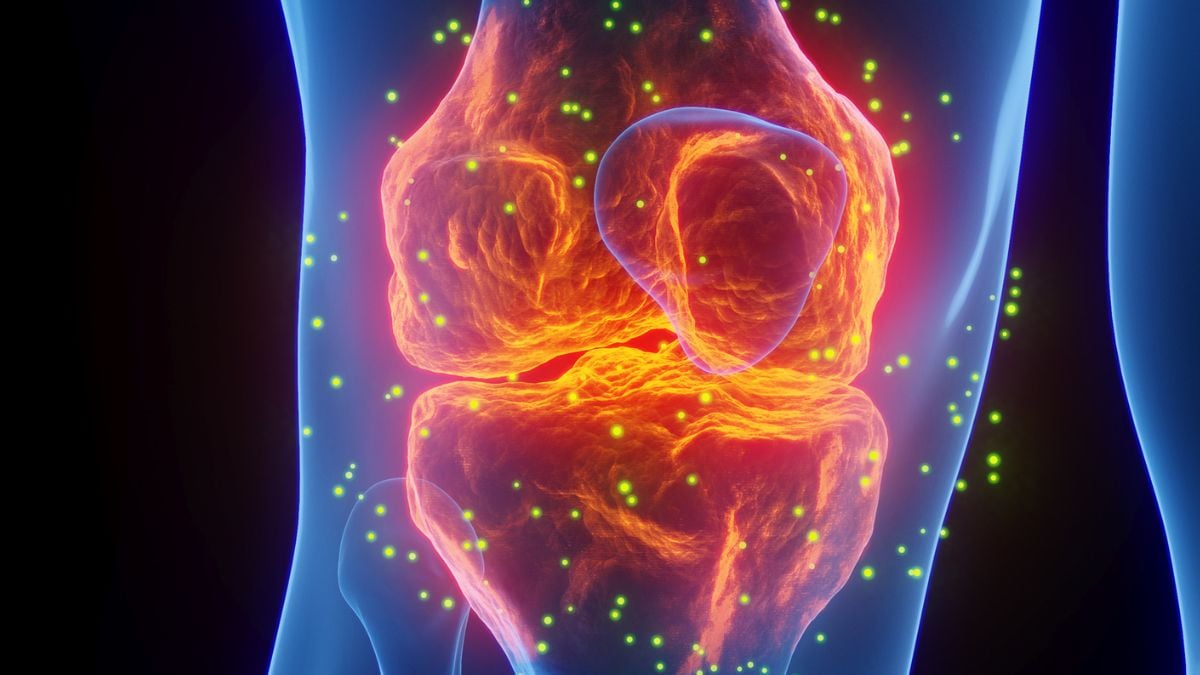 The most common form of inflammatory arthritis.
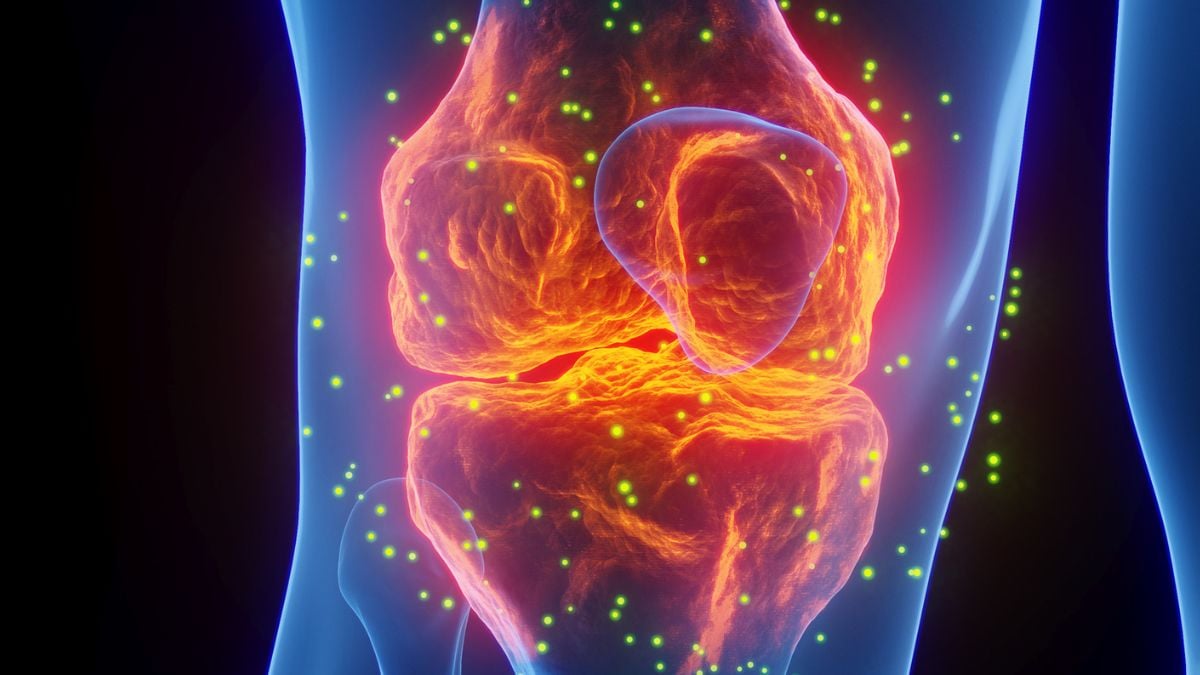
Gout, historically regarded as a disease of the elderly and affluent, is experiencing a significant resurgence among younger populations. The inflammatory arthritis condition, caused by urate crystal accumulation in body tissues, has become the most prevalent form of inflammatory arthritis globally. Between 1990 and 2019, gout prevalence among American men increased by over 90 percent, with recent data showing substantial rises across age groups from 15 to 39 years old.
Emerging research has uncovered a troubling connection between gout and erectile dysfunction in male patients. Studies indicate that men with gout face significantly elevated risks of experiencing erectile dysfunction compared to the general population, with some research suggesting the majority of affected men experience this complication. Health professionals now recommend screening all gout patients for erectile dysfunction, particularly since those presenting with both conditions show increased risk for cardiovascular disease and silent coronary artery disease.
Scientists have begun identifying the biological mechanism linking these conditions. High serum uric acid levels appear to be the common denominator, with research demonstrating that elevated uric acid directly impairs erectile function by entering penile tissue and causing contraction. While animal studies suggest that urate-lowering therapies could potentially restore erectile function, human trials remain pending. Current treatment rates remain low, with only one-third of gout patients in primary care receiving urate-lowering therapy, partly due to the demanding long-term commitment required for effective management.
Despite gout’s growing prevalence among younger men, significant stigma and misconceptions persist regarding the condition’s seriousness and modern relevance, leaving many patients reluctant to discuss symptoms with healthcare providers.
Originally reported by Sciencealert →
About the Author