“`html
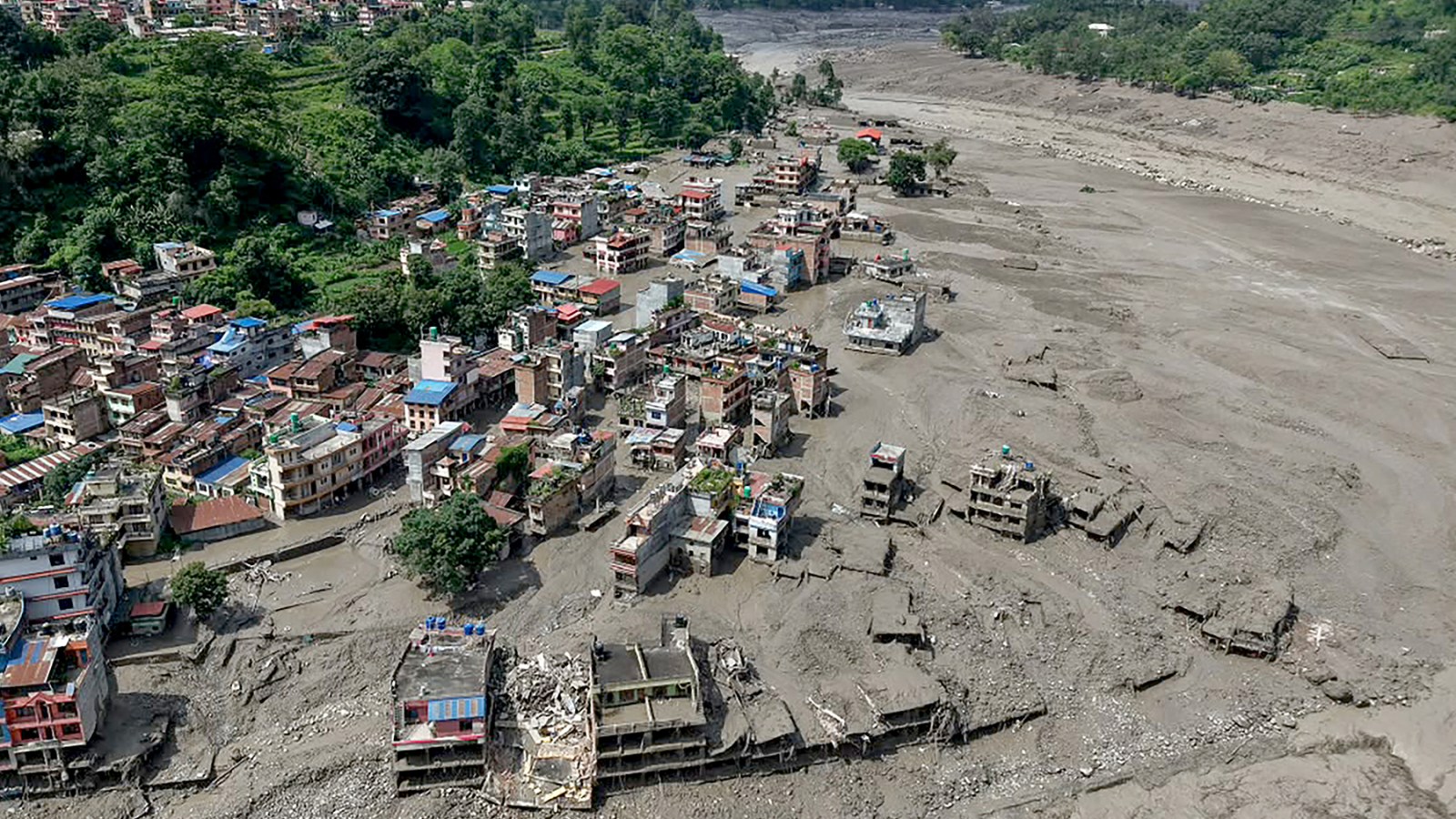
A devastating flash flood in Nepal last week has claimed over 1,000 lives, with thousands more missing. Scientists investigating the disaster have determined that a massive section of mountainside broke away, carrying a portion of a glacier with it as it cascaded down the Himalayan valleys. Researchers worldwide are collaborating through shared satellite imagery and data to understand the exact mechanics of the catastrophe.
According to geologist Daniel Shugar of the University of Calgary, the incident likely resulted from warming temperatures thawing permafrost that normally stabilizes mountain terrain. When this frozen ground weakens, it can trigger the collapse of surrounding rock and ice. The debris traveled at remarkable speed, reaching the first affected community in just seven minutes, with friction from the rapid descent melting ice and contributing to the massive floodwaters.
While scientists cannot definitively link this singular event to climate change, they note that warming conditions in the region create ideal circumstances for such disasters. Geophysicist Marin Clark from the University of Michigan points out that large sediment-laden floods have become increasingly common in the Himalayas over the past decade, correlating with rising temperatures. Nepal has attributed the flooding to climate change and is requesting $5 billion in aid from the United Nations climate fund to address the disaster.
“`
Originally reported by Rollingstone →
About the Author