“`html
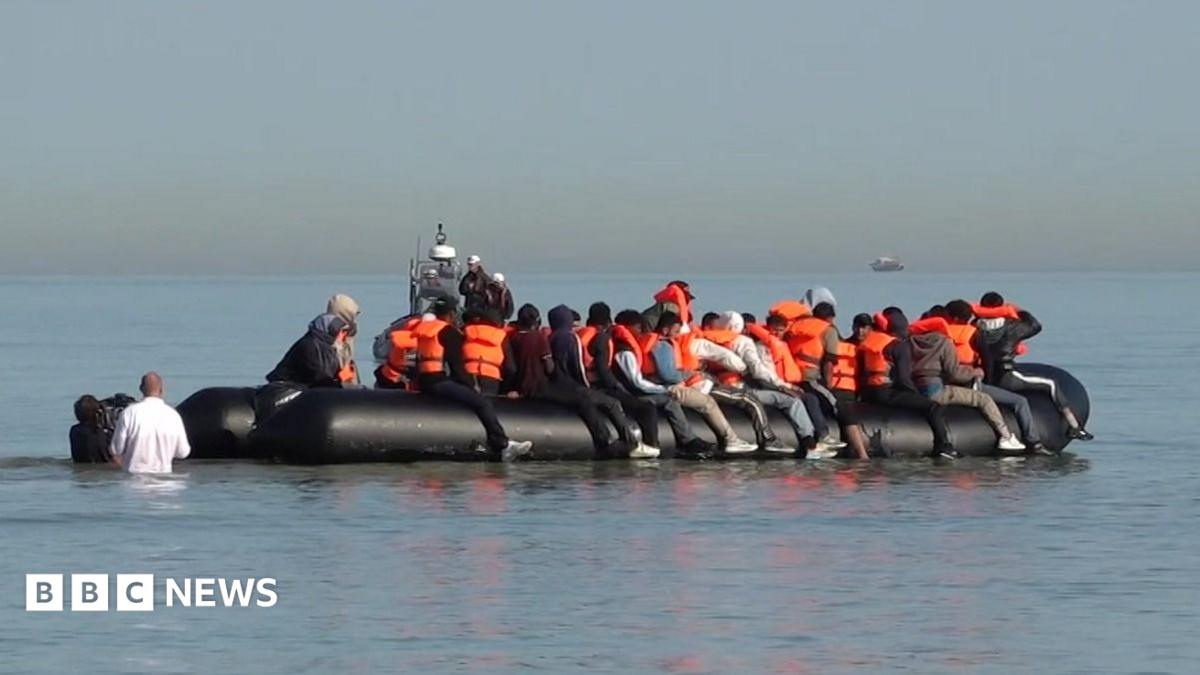
Criminal networks involved in human trafficking across the English Channel are fundamentally changing their operations due to increased law enforcement efforts, according to a BBC investigation. With authorities successfully intercepting a higher proportion of vessels, smuggling gangs now face a critical shortage of small boats, forcing previously competing groups to collaborate on larger vessels capable of carrying significantly more passengers.
The shift has led to the emergence of so-called “mega-dinghies,” with recent examples transporting record numbers of migrants. One vessel spotted carrying 230 people sparked widespread political outcry and accusations that authorities had lost control of the situation. However, this new tactic reflects desperation among traffickers struggling with supply constraints rather than a sign of operational success. Gang members have indicated that additional large vessels are currently being prepared, raising serious safety concerns on both sides of the Channel.
The financial impact on migrants is substantial. Smuggling prices have surged to approximately €2,000 per person, up significantly from €1,300 a year earlier. Passengers must now pay exclusively in cash to guarantee their commitment to the journey. Meanwhile, French police report intercepting approximately two-thirds of crossing attempts before boats reach the coast, forcing smugglers to depart from increasingly distant locations, including Belgium, to avoid detection.
Both British and French authorities are implementing enhanced measures to combat the crisis, including plans to deploy additional police officers along the French coastline. The collaboration reflects growing international concern about the humanitarian risks posed by these larger, overcrowded vessels.
“`
About the Author