
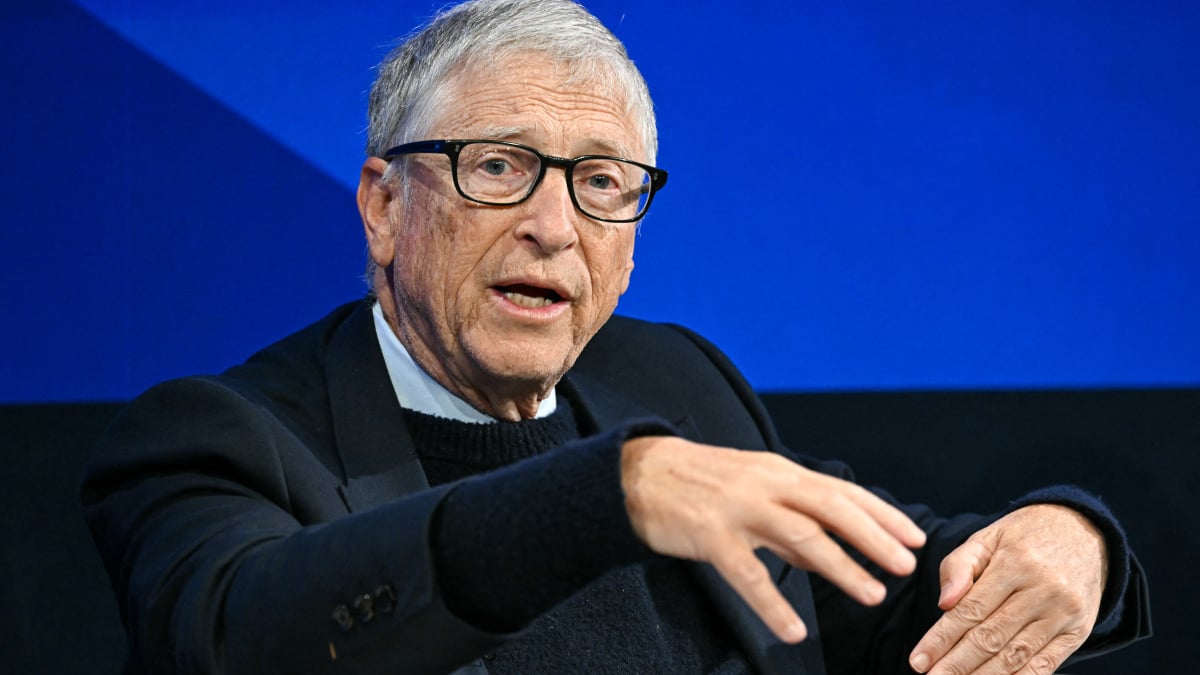
Bill Gates has proposed a “token tax” on artificial intelligence systems as a means to address widespread concerns about job displacement. In a lengthy essay published on his Gates Notes website and accompanying interview with the New York Times, the Microsoft founder outlined his approach to managing AI’s impact on the workforce.
Gates points out a fundamental imbalance in current tax policy: companies pay payroll taxes when employing human workers, yet receive business expense deductions when purchasing AI systems that replace those employees. His proposed token tax would address this disparity while generating revenue for job retraining programs and expanded social safety nets. The tax would be designed to exclude beneficial applications of AI in fields like medicine and education.
Beyond taxation, Gates introduced the concept of “Human Reserved” jobs—positions designated exclusively for human workers. He suggested this designation should apply to roles where workers face difficulty transitioning, such as construction, as well as positions requiring human compassion, including caregiving and delivering sensitive medical information. Gates argued that expecting a 55-year-old construction worker to shift careers lacks practical feasibility.
The proposals emerge amid growing public backlash against AI expansion. Recent studies document tens of thousands of job losses attributed to AI technology, while consumers reject “AI slop” and politicians oppose data center construction. Notably, some industry leaders previously warned of mass job displacement now appear to be downplaying such concerns.
Originally reported by Mashable →
About the Author