“`html
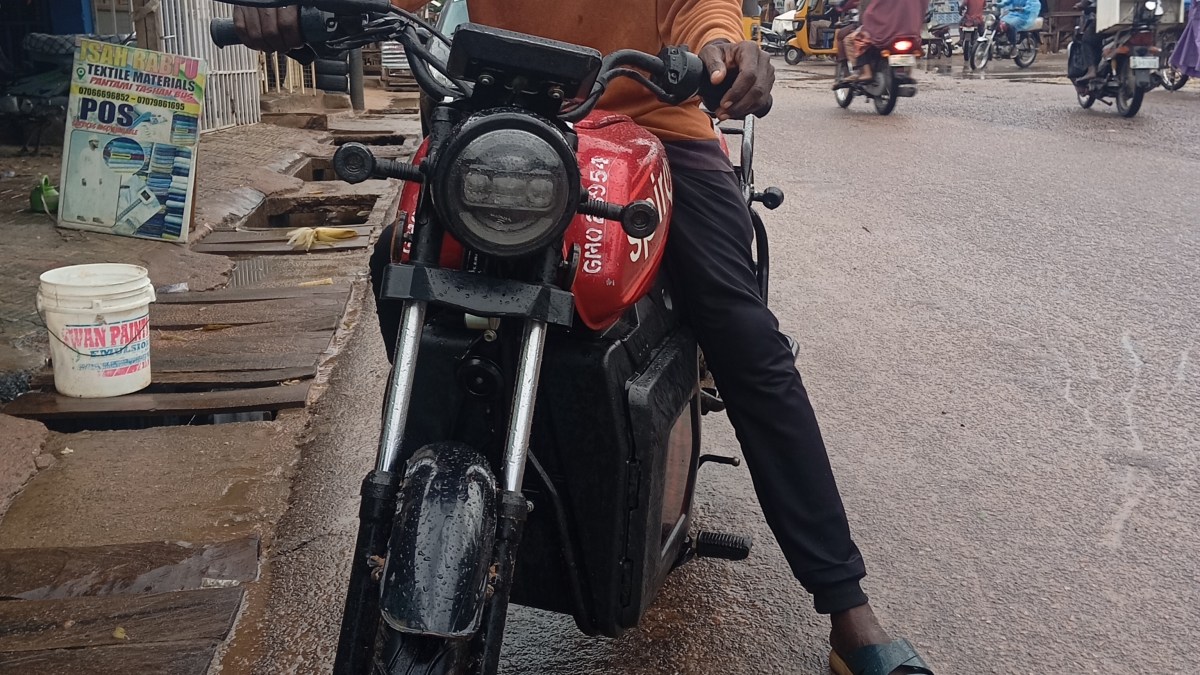
Rising fuel costs in Nigeria are prompting a growing number of motorcycle riders to transition toward battery-powered alternatives, with early adopters citing substantial savings on operational expenses. Following the government’s decision to eliminate fuel subsidies in mid-2023, petrol prices have increased dramatically, making traditional motorcycles considerably more expensive to operate. This economic shift has created momentum for electric bikes across Nigerian cities, particularly in Gombe, where riders report meaningful reductions in both fuel and maintenance spending.
Users who have made the switch highlight multiple financial benefits beyond fuel savings. One rider reported avoiding the typical mechanical issues associated with petrol engines and estimated weekly fuel savings of approximately 3.7 dollars. Another user noted eliminating expenses related to engine oil, while a third emphasized the appeal of quieter operation. However, the initial purchase price of roughly 735 dollars remains a significant barrier for most Nigerian households, limiting widespread adoption despite the long-term cost advantages.
Infrastructure challenges pose a substantial obstacle to broader expansion of electric motorcycles throughout the country. Inconsistent electricity supply in Nigeria means many residents have access to power for only limited hours daily, making home charging unreliable. Industry experts suggest that solar-powered battery-swap stations would provide a more practical solution than depending on residential charging. Additionally, experts recommend government support through reduced import duties on components, battery-recycling programs, and integration with existing solar projects to enable sustainable growth of electric mobility in Nigeria.
“`
Originally reported by Aljazeera →
About the Author