“`html
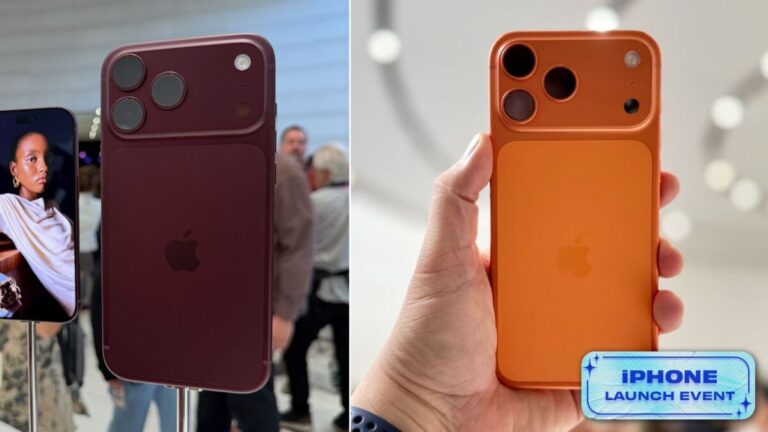
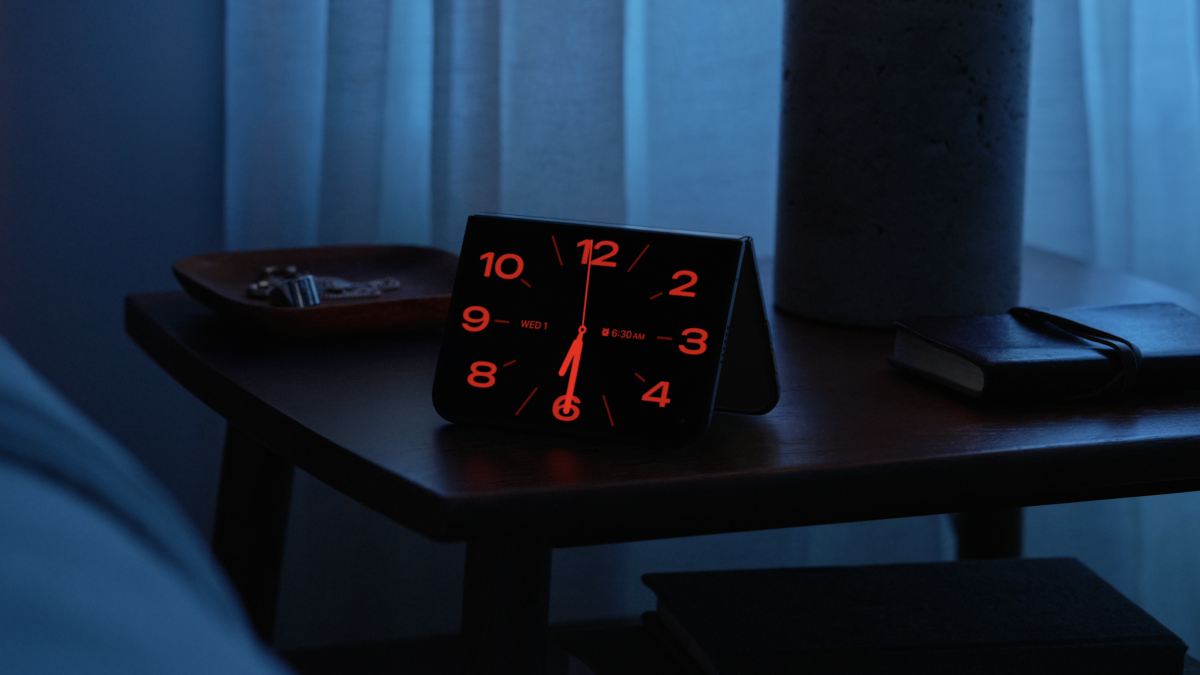
Apple’s newly unveiled iPhone Duo foldable device offers numerous capabilities, ranging from dual-screen multitasking to flexible video viewing angles. During the company’s recent event, executives promoted the $1,999 smartphone as an attractive bedside timepiece, with software chief Craig Federighi highlighting its gentle wake-up light synchronized with alarms. However, sleep health professionals strongly caution against this usage pattern, citing research showing that keeping phones near beds disrupts rest quality.
The American Academy of Sleep Medicine advocates for storing phones in separate rooms and using dedicated alarm clocks instead. Bedside phones create multiple sleep disruptions: late-night scrolling sessions extending well beyond intended durations, mental overstimulation from pre-sleep screen exposure, and conditioned anticipation of notifications that persists into nighttime hours. Even after falling asleep, checking devices upon waking can trigger unwanted engagement with messages and emails.
Apple’s bedside clock pitch appears inconsistent with the company’s stated wellness priorities, evidenced by new Apple Watch features emphasizing sleep tracking and daily readiness assessments. Market competition from specialized screen-free alarm clocks like Dreamie and Hatch Sleep devices may partially explain Apple’s strategy. Nonetheless, practical alternatives exist: maintaining do-not-disturb settings with emergency call exceptions allows device accessibility for genuine needs while preserving bedroom boundaries that promote restorative sleep.
“`
Originally reported by Mashable →
About the Author