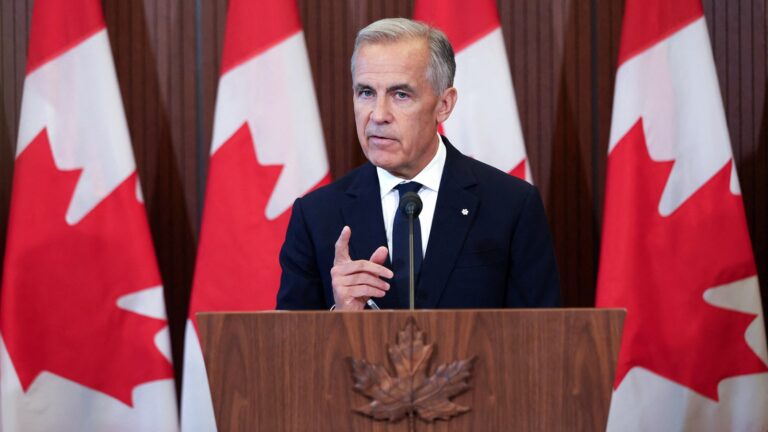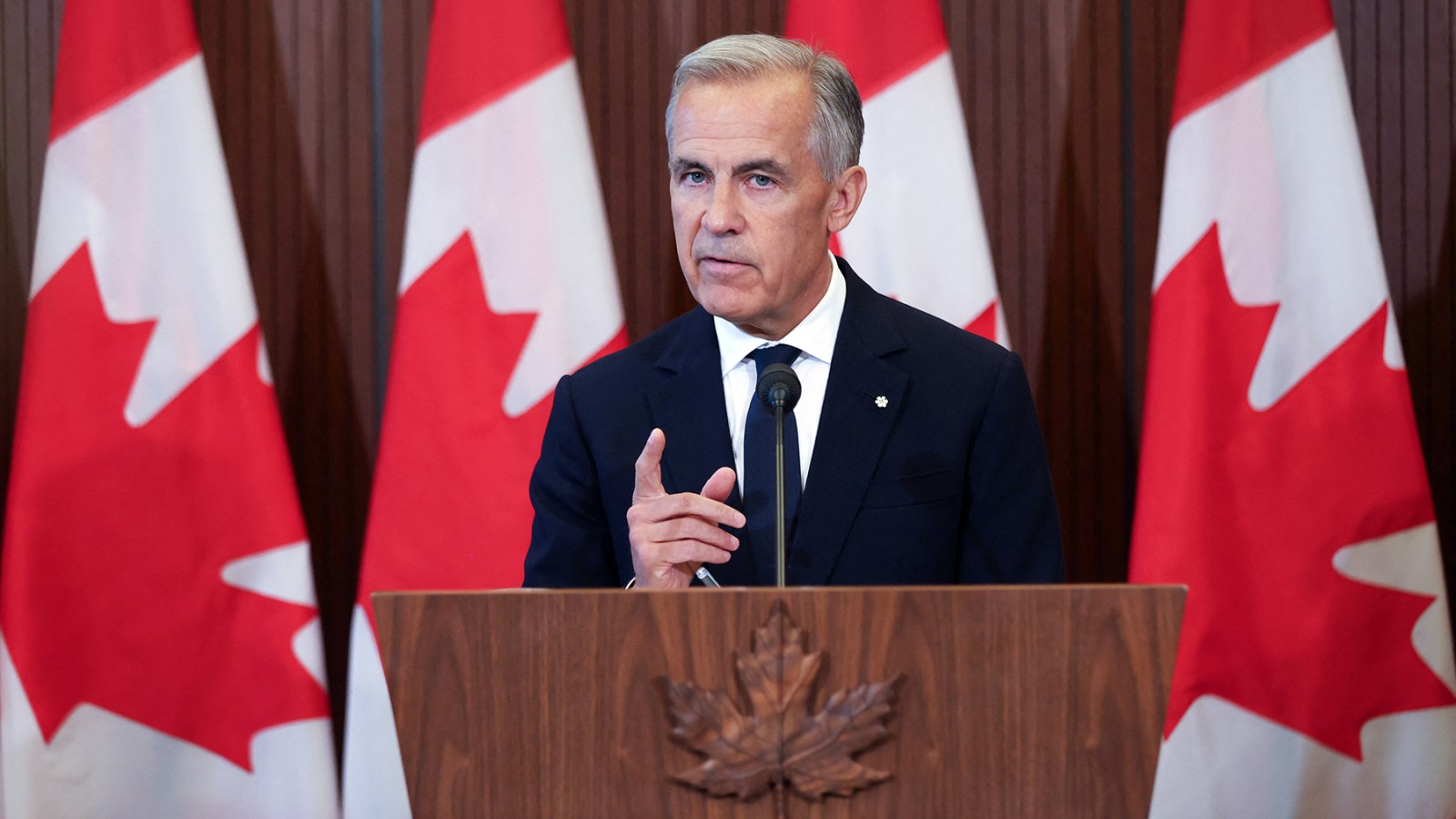
Canadian Prime Minister Mark Carney has emerged as a formidable counterforce to President Trump’s aggressive trade policies targeting North America’s northern neighbor. The administration has pursued an escalating trade conflict against Canada, employing what observers characterize as economic coercion tactics. However, recent developments suggest these efforts have largely failed to achieve their intended objectives.
Trump’s approach to the trade dispute centers on claims of economic imbalance, though critics argue the justifications appear inconsistent and motivated by personal grievance rather than coherent policy. The president has made sweeping threats to eliminate bilateral commerce entirely, assertions that analysts view as unrealistic given the deeply integrated nature of North American trade relationships. Carney has responded with measured resistance, effectively neutralizing the administration’s negotiating leverage.
The trade war represents a significant departure from traditional diplomatic engagement, with observers noting that Trump’s strategy appears designed primarily to assert dominance rather than achieve substantive economic gains. The conflict has generated anxiety among agricultural and manufacturing workers across both nations whose livelihoods depend on cross-border commerce. Despite the U.S. economy’s substantial size advantage, Canada’s steady refusal to capitulate has demonstrated that economic disparity alone does not guarantee negotiating success in modern trade disputes.
Originally reported by Rollingstone →
About the Author