Ancient DNA Reveals The ‘American Cheetah’ Wasn’t a Cheetah at All
 A mind-blowing rethink of an awe-inspiring animal.
“`html
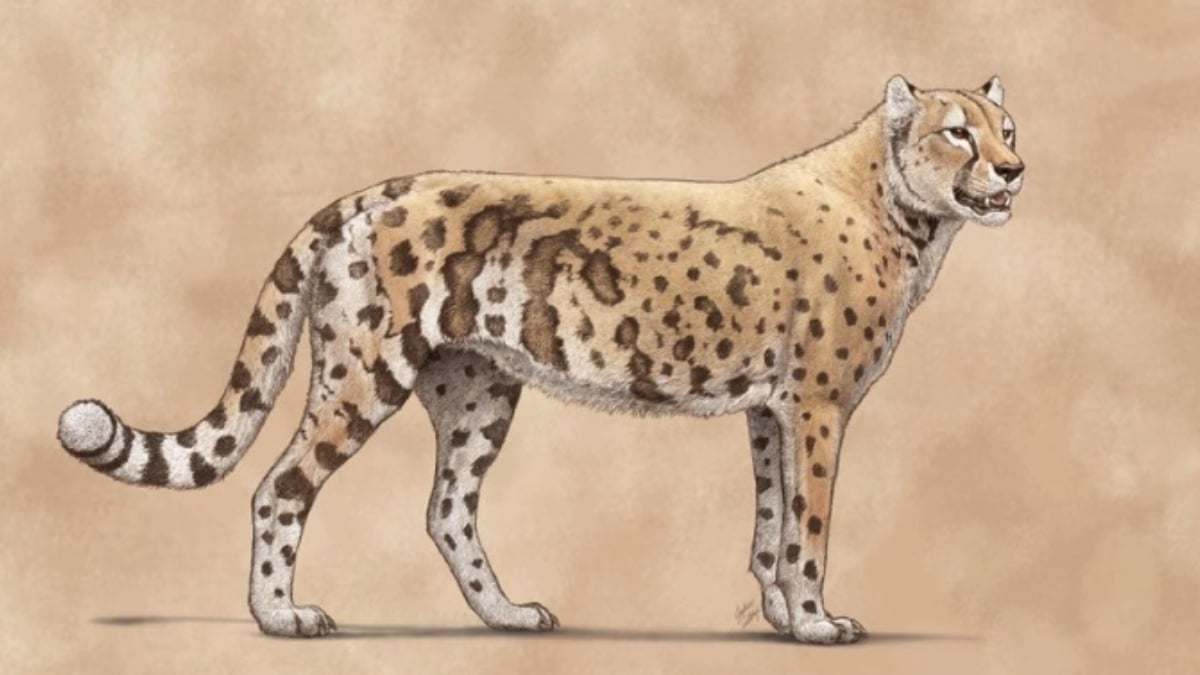
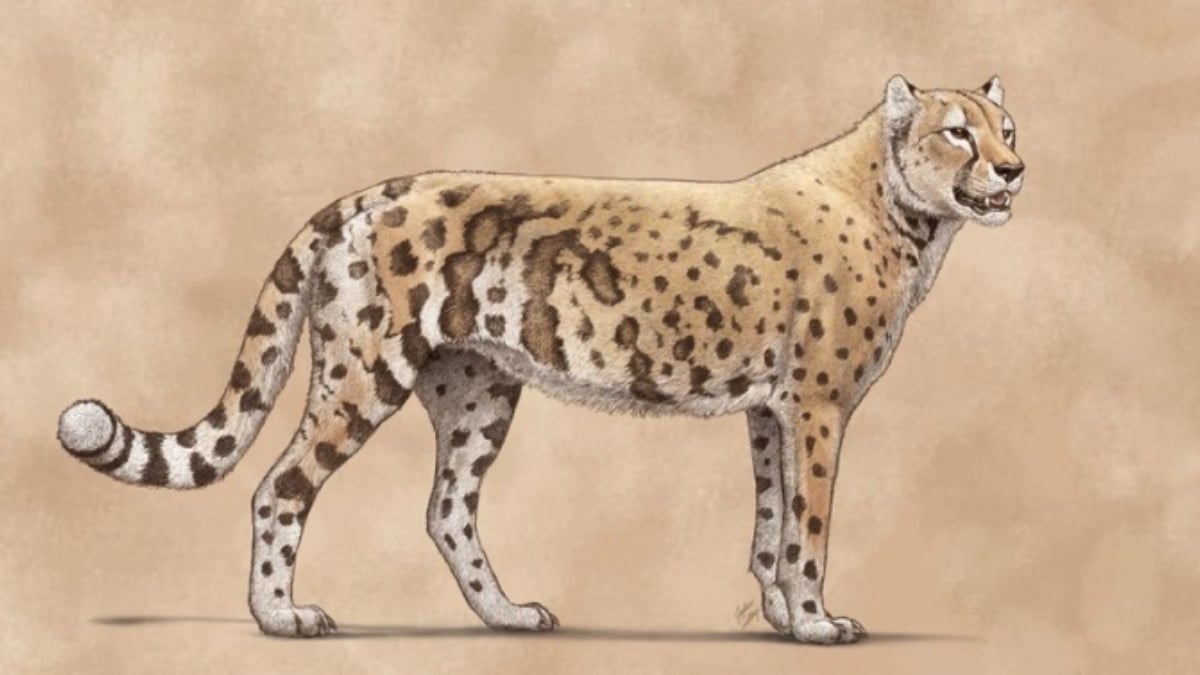
Scientists have overturned a long-held assumption about a prehistoric cat species that roamed North America during the Pleistocene epoch. Using advanced genetic analysis, researchers determined that Miracinonyx trumani, commonly known as the “American cheetah,” was actually a close relative of the modern puma rather than a true cheetah. The discovery came from examining DNA and isotopic data extracted from fossil specimens found in Wyoming and the Canadian Arctic, some dating back more than 30,000 years.
The misidentification occurred because M. trumani possessed physical characteristics similar to African cheetahs, including a slender build, long limbs, and adaptations for high-speed running. However, genetic sequencing revealed the species diverged from the puma lineage approximately 2.6 million years ago, making it an entirely separate evolutionary branch. Researchers note that visual comparisons to modern animals can obscure the true complexity and unique adaptations of extinct species.
Perhaps most remarkably, the study revealed that M. trumani populations developed drastically different survival strategies depending on their geographic location. Northern specimens, separated by glacial barriers from their southern counterparts, adapted to a fish-based diet similar to modern marine predators. These Arctic cats even underwent genetic changes affecting their circadian rhythms, likely helping them cope with extreme seasonal light variations at high latitudes.
The species gradually declined as the ice age ended and climate conditions shifted, ultimately disappearing along with other megafauna. The research, published in Current Biology, demonstrates how environmental pressures shaped diverse adaptations across a species’ range during Earth’s dramatic climatic changes.
“`
Originally reported by Sciencealert →
About the Author