NASA and IBM have collaborated to develop an advanced artificial intelligence system designed to analyze decades of accumulated lunar data with unprecedented precision. The new tool, called the Lunar Foundation Model, addresses a longstanding challenge in space exploration: consolidating fragmented information gathered by multiple spacecraft using different instruments into a coherent understanding of the moon’s terrain.
Robotic missions to the moon have generated enormous quantities of information from high-resolution cameras, laser altimeters, radar instruments, and spectrometers. However, the sheer volume and diversity of this data—captured at varying resolutions and from different angles—made comprehensive analysis extremely difficult and computationally expensive. The LFM solves this problem by integrating multimodal, multiresolution information into a unified framework that researchers can readily access through the open-source platform Hugging Face.
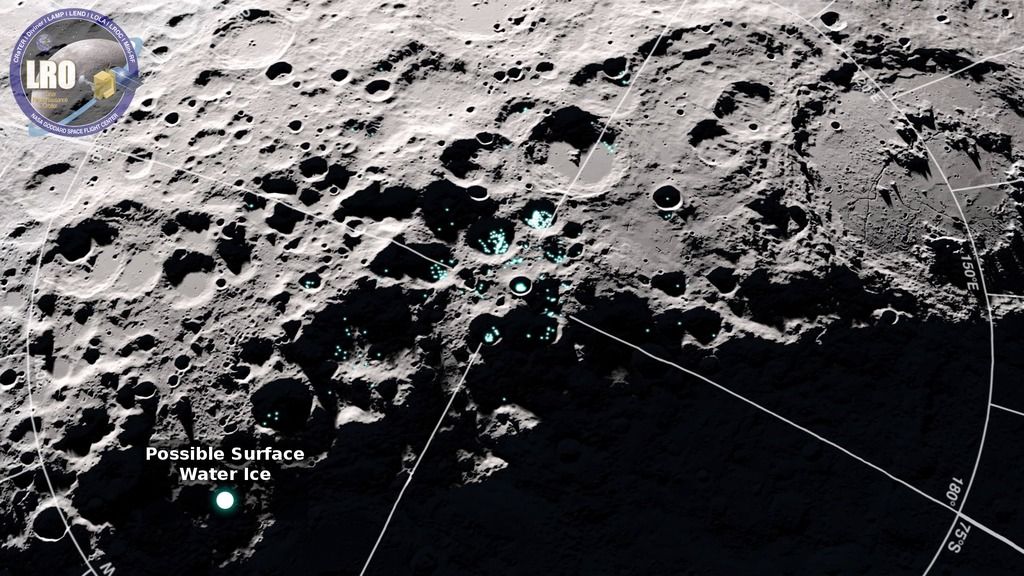
The model demonstrates significant improvements over existing technology, surpassing comparable systems by nearly 19 percent in crater detection while using fewer training examples. Scientists can apply the LFM to numerous practical challenges, including identifying safe landing zones for future missions, detecting subsurface ice deposits in shadowed regions critical for establishing lunar bases, and mapping volcanic features. The researchers emphasized that while the system excels at pattern recognition, it should complement rather than replace direct physical measurements.
The technical paper describing the breakthrough was published September 10, marking a substantial advancement in preparing lunar exploration infrastructure for both robotic and human missions in the years ahead.
Originally reported by Livescience →
About the Author