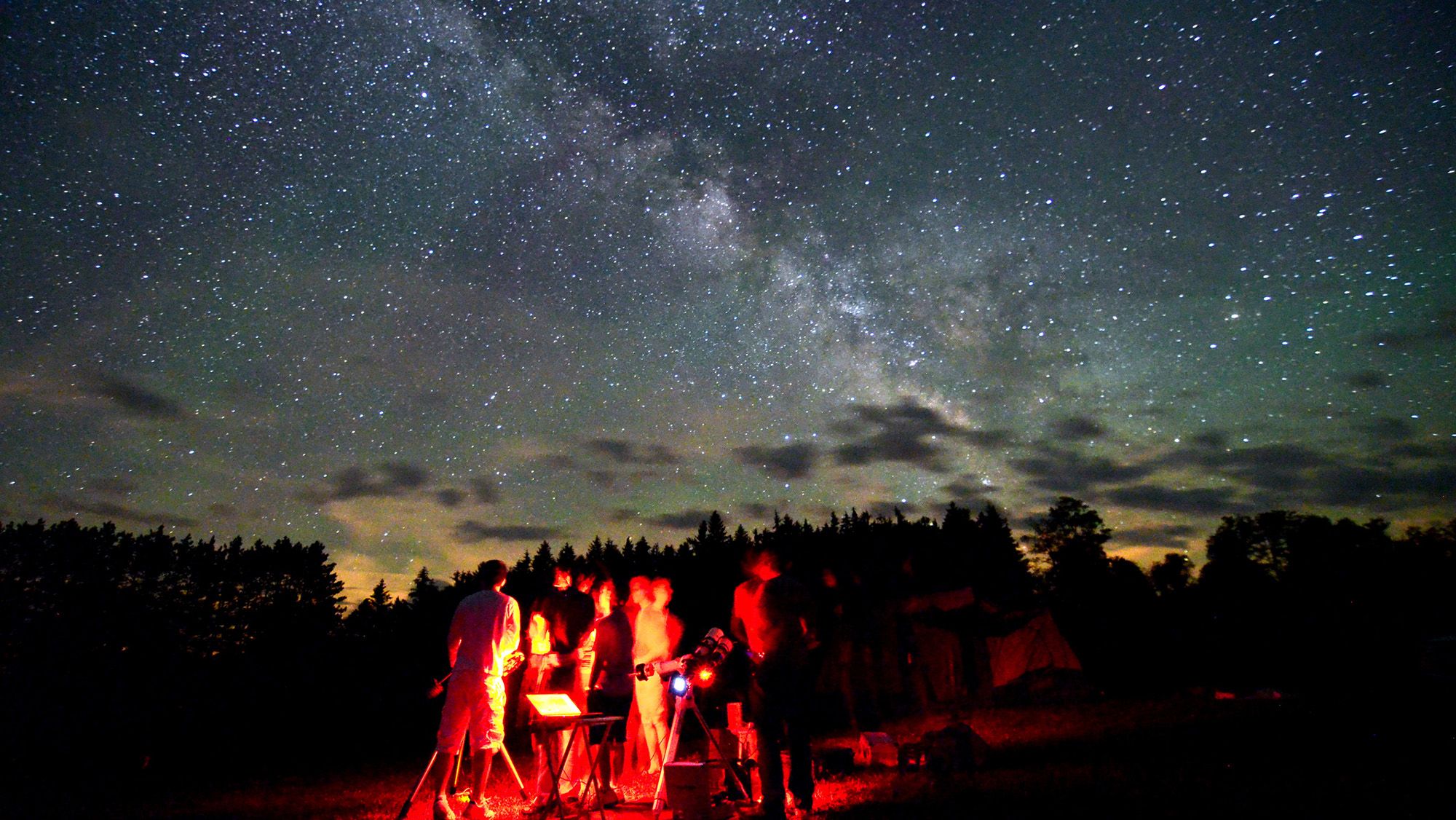
September represents an ideal month for observing the night sky, particularly in the Northern Hemisphere. As summer transitions to fall, sunset occurs progressively earlier each evening, creating extended periods of darkness while maintaining pleasant outdoor temperatures. The Milky Way remains visible overhead during these lengthening nights, making stargazing accessible without sacrificing comfort.
This September holds exceptional significance for astronomy enthusiasts. The fall equinox arrives on September 22, marking the moment when day and night achieve nearly equal length before nights begin outpacing daylight hours. This celestial shift occasionally triggers increased aurora activity, as Earth’s magnetic field orientation becomes particularly receptive to interactions with solar wind during equinox periods.
September’s astronomical highlights are especially abundant this year. All five naked-eye planets—Mercury, Venus, Mars, Jupiter, and Saturn—will be visible throughout the month, though not all simultaneously. Saturn remains viewable through most of the night, while Neptune reaches opposition on September 26, providing optimal viewing conditions. The Harvest Moon on September 26 will rise alongside Saturn, while the lunar disk will pass near Venus on September 13 and 14.
Northern Hemisphere observers also benefit from one of their final opportunities to view the Milky Way’s brightest regions in evening skies before autumn progresses. The distinctive Great Square of Pegasus rising in the east signals the changing season, while the Sagittarius and Scorpius star fields descend westward.
Originally reported by Livescience →
About the Author