An Ancient Shark Graveyard Has Been Found in The Egyptian Desert
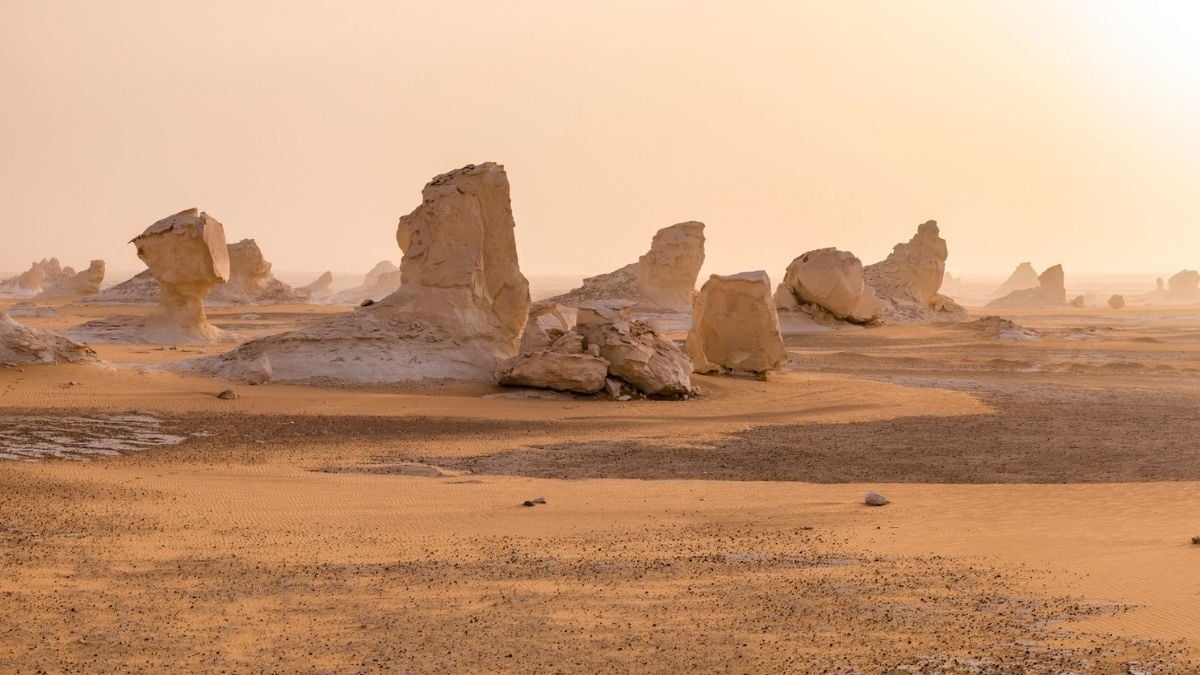
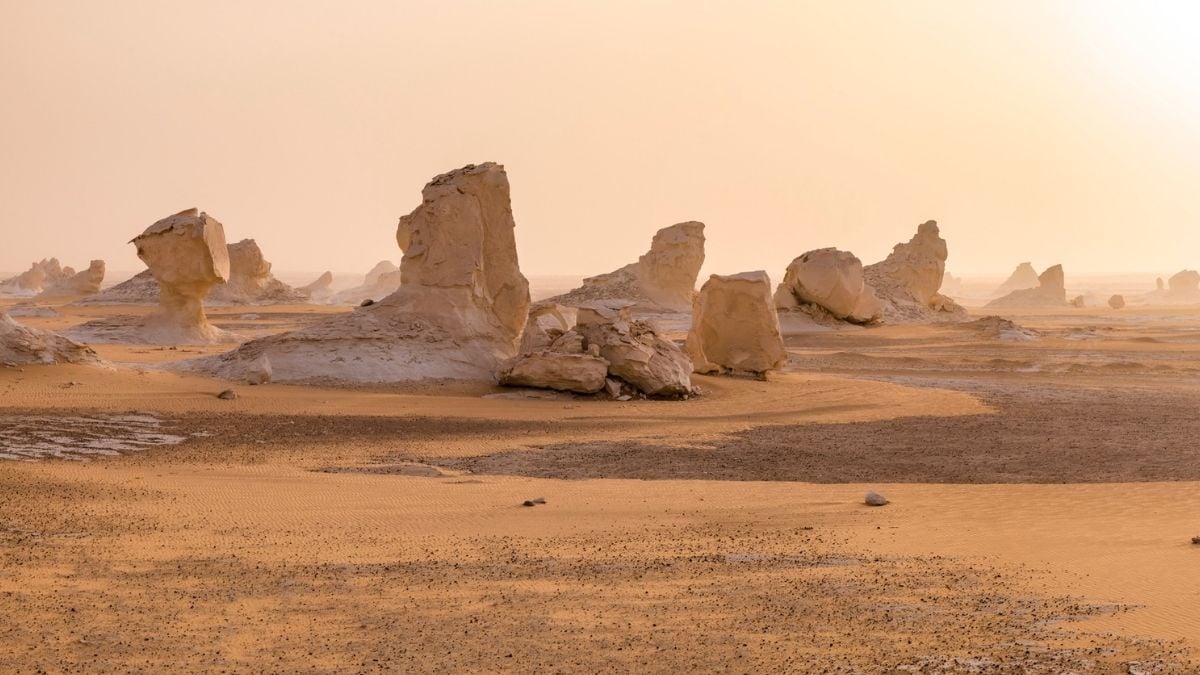 An entire ocean lost to the sands.
“`html
Paleontologists have uncovered remarkable evidence of an ancient marine ecosystem buried beneath Egypt’s desert sands. On the Abu-Tartur Plateau, researchers discovered shark teeth belonging to at least seven different species, preserved within the Duwi Formation’s phosphate-rich layers. This discovery provides a window into a tropical sea that once covered northern Africa during the Cretaceous period, roughly 145 to 66 million years ago.
The initial investigation identified two shark species from a small sample of teeth, prompting scientists led by paleontologist Tarek Yassin of Cairo University to conduct a more comprehensive search. Their efforts yielded 14 additional teeth representing five previously unidentified species at the Abu-Tartur site. These specimens display remarkable diversity in tooth structure—from needle-like needles to broad serrated edges and curved shapes—indicating that different shark species occupied distinct ecological roles within the ancient seabed.
The five newly identified species suggest that the region supported a highly productive marine environment capable of sustaining multiple predators. Scientists believe that nutrient-rich water currents rising from ocean depths delivered essential minerals to surface waters, fueling plankton growth and supporting an intricate food web. The extensive phosphate deposits characteristic of the Duwi Formation typically form in areas of high marine productivity, preserving chemical signatures of this ancient ecosystem’s richness.
Rather than representing a mass die-off event, the shark teeth accumulation reflects a compressed timespan of sediment deposition, capturing evidence from multiple ecological niches across an extended period. This assemblage demonstrates that complex, diverse marine ecosystems thrived along Africa’s northern continental shelf during the Cretaceous era.
“`
Originally reported by Sciencealert →
About the Author