An Active Volcano May Be Creating a Valuable Metal Deposit Deep Underground
 There's ore to be found.
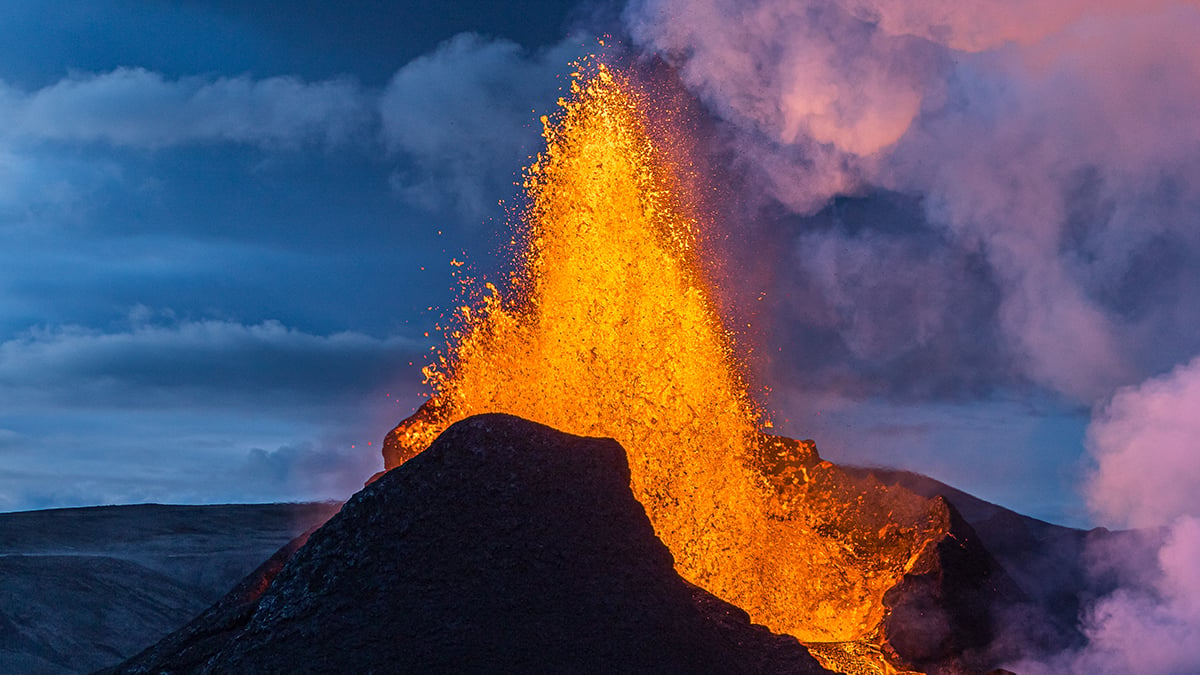
Researchers have identified what could be a significant reservoir of metal-rich fluids beneath an active Caribbean volcano, suggesting that geological formations deep underground may be naturally producing valuable ore deposits. Scientists from the University of Oxford made the discovery at Soufrière Hills volcano in Montserrat, detecting a zone approximately 1 to 1.5 kilometers across located about 2 kilometers beneath the surface that contains metal-bearing brine.
The team employed an innovative approach to locate this hidden resource, analyzing seismic waves generated by earthquakes that occurred in the region between 1996 and 2007. By examining how different types of earthquake waves traveled through rock formations, researchers constructed a detailed three-dimensional map of the volcano’s internal structure. This technique allowed them to distinguish between solid magma, fluid-filled rock, and other geological features without requiring any excavation.
The findings have significant implications for future resource extraction. As global demand for metals like copper, zinc, and lead continues to rise due to technological advancement and renewable energy initiatives, active volcanoes could provide an alternative to traditional mining operations at extinct volcano sites. However, researchers emphasize that considerable additional work remains necessary to determine the exact composition and concentration of metals within the identified zone before any extraction attempts could be considered feasible or safe.
The study demonstrates that seismic imaging offers a promising method for identifying potential metal deposits in volcanoes while minimizing exploration risks. This non-invasive technology could help guide future drilling operations in these extreme environments.
Originally reported by Sciencealert →
About the Author