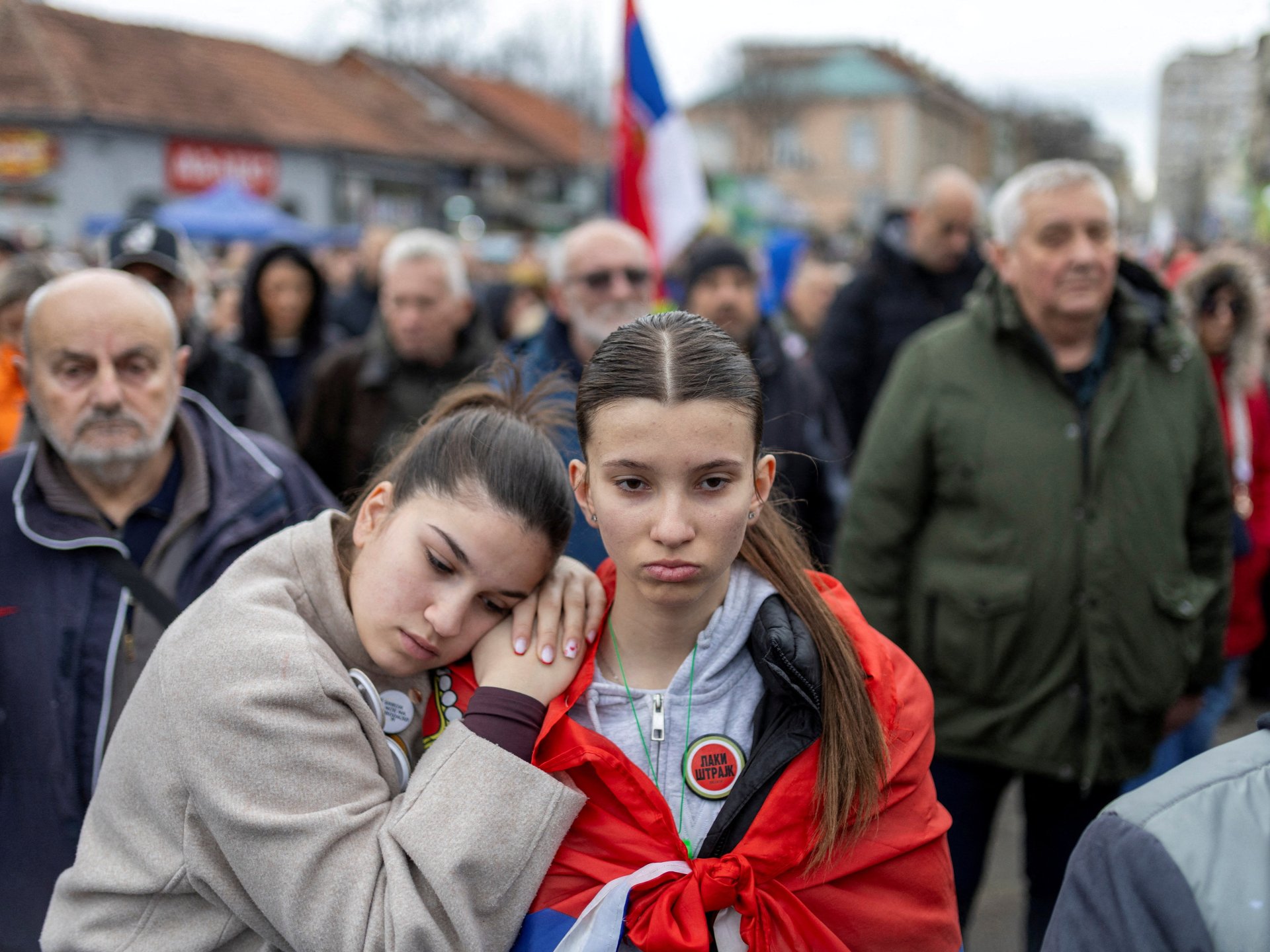
Serbia’s student-led protest movement has expanded significantly over the past year, evolving from demonstrations sparked by a railway station canopy collapse that claimed 16 lives in November 2024. What began as calls for accountability over the Novi Sad tragedy has transformed into a broader challenge to the political establishment, with hundreds of thousands participating in demonstrations across the country and university blockades disrupting normal operations.
The movement has intensified scrutiny of President Aleksandar Vucic’s 14-year tenure in office. Young protesters, who have grown up under his administration, are now demanding systemic political change. However, the demonstrations have also revealed deep divisions within Serbian society, with documented instances of police violence during protests and subsequent attacks on businesses that authorities have yet to fully address or investigate.
The movement has faced internal challenges as well. While initially enjoying broad regional support, some observers have noted the emergence of nationalist rhetoric and symbols within protest activities, which has concerned neighboring countries and alienated certain segments of the domestic population. Independent media figures covering the protests have faced coordinated attacks and intimidation campaigns, further complicating the movement’s message.
Despite these obstacles, the student movement continues to mobilize public opinion and challenge the long-standing dominance of Vucic’s Serbian Progressive Party. The movement represents a significant moment in the country’s recent history, signaling both deep social frustration and uncertainty about Serbia’s political future.
Originally reported by Aljazeera →
About the Author