A Third Hidden Driver of High Blood Pressure Has Been Discovered – And a Potential Fix
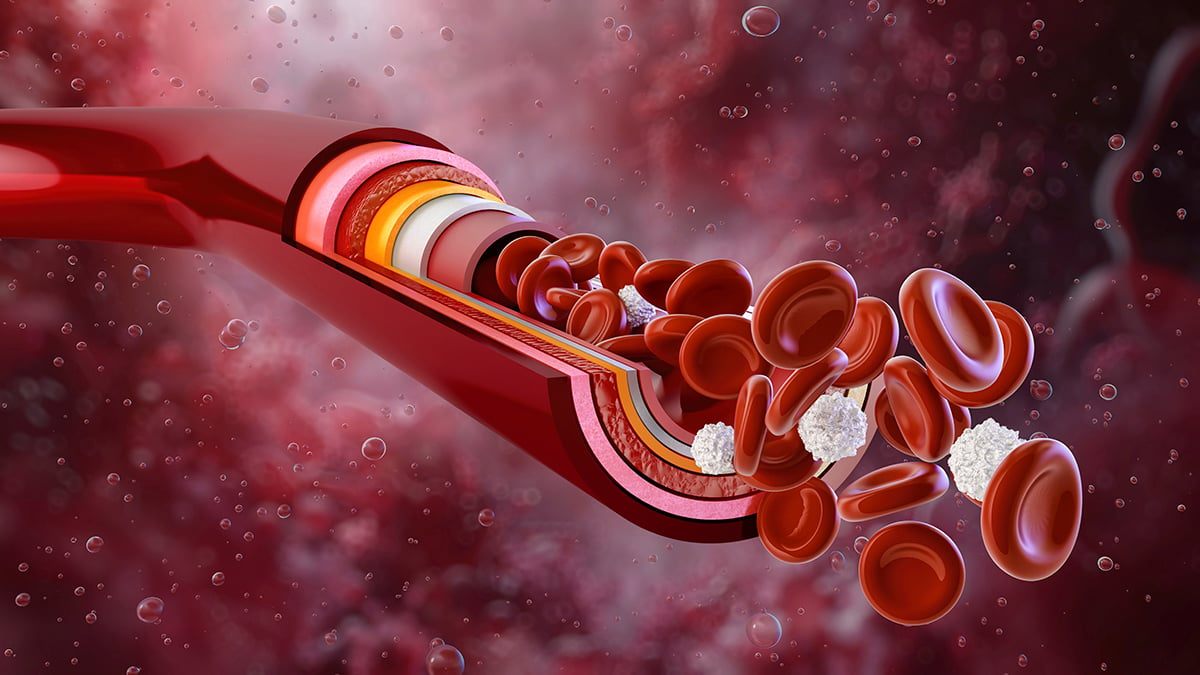 We're learning more and more about hypertension.
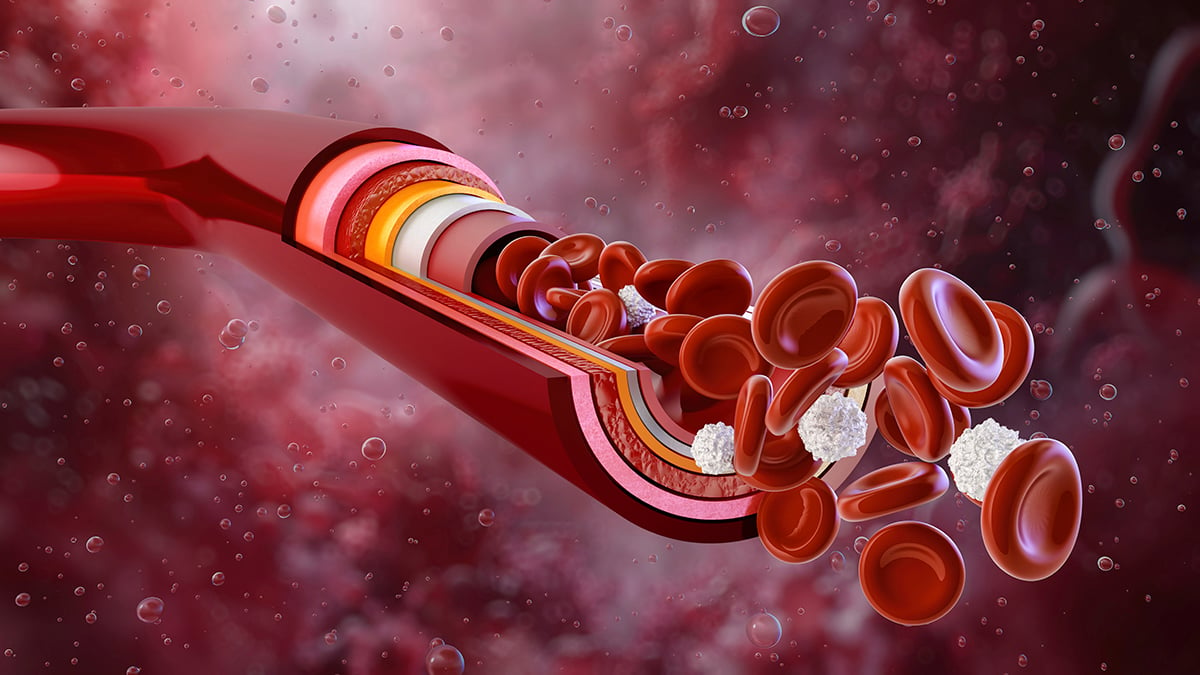
Researchers have identified a previously overlooked factor contributing to high blood pressure, potentially revolutionizing how the condition is treated. While medical professionals have traditionally focused on two main systems—the sympathetic nervous system and hormonal regulators of blood volume—scientists from Australian and Singaporean institutions now believe inflammation-resolution pathways play a significant role in hypertension development and progression.
The team’s findings, published in Communications Biology, highlight how the body’s immune system termination mechanisms may be more critical than previously recognized. When these pathways malfunction, chronic inflammation persists, triggering cascading damage throughout the cardiovascular system. This discovery opens new therapeutic possibilities beyond conventional approaches that broadly suppress immune function.
Laboratory testing of an experimental compound called 17b showed promise in animal models, demonstrating modest blood pressure reductions alongside more remarkable benefits. The drug works by activating natural inflammation-control mechanisms rather than suppressing immunity broadly, resulting in reduced arterial stiffness and decreased scar tissue formation in heart and kidney tissues—damage typically caused by long-term hypertension.
While human trials remain necessary, researchers suggest compound 17b could complement existing medications or serve patients unable to tolerate current treatments. The drug’s tissue-repairing properties indicate potential applications extending beyond blood pressure management, addressing underlying organ damage caused by chronic inflammation in ways traditional medications cannot achieve.
Originally reported by Sciencealert →
About the Author