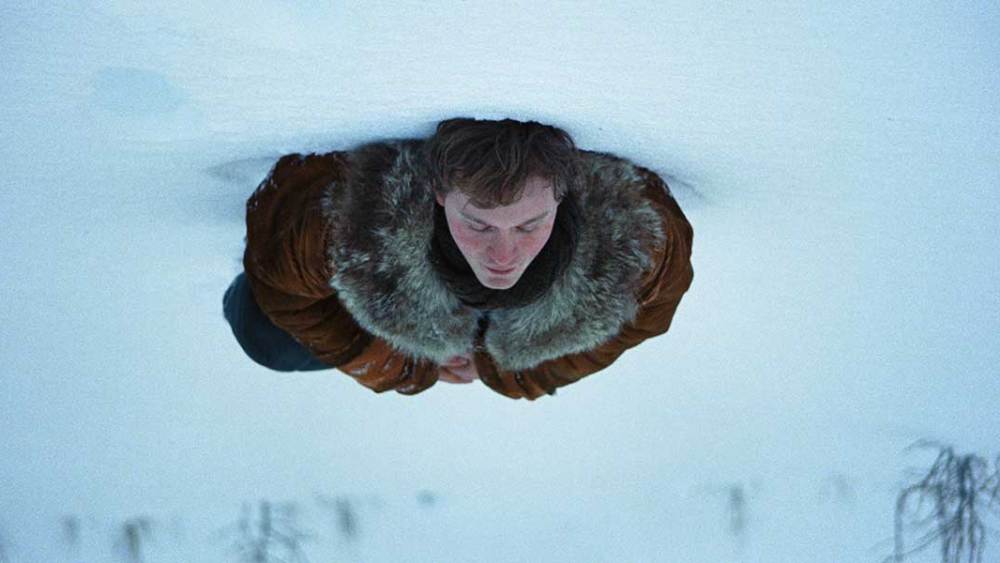
Andrew Haigh’s latest film, “A Long Winter,” presents a stark and contemplative drama set on a remote Rocky Mountain farm during the early 1950s. Adapted from Colm Tóibín’s novella, the picture demonstrates considerable technical achievement through its cinematography, which captures the rugged beauty of snow-covered peaks and expansive wilderness. The visual approach serves a narrative purpose, with each frame contributing deliberately to the unfolding story rather than existing merely for aesthetic appeal.
The film centers on Mikey and Tom, adult brothers living with their parents in an isolated farmhouse. While their existence appears peaceful and grounded in traditional rural values, underlying tensions simmer beneath the surface. Their mother Louise struggles with alcoholism, a condition their father Lester attempts to address through forceful intervention. Her subsequent departure as winter arrives sets the stage for the drama that follows, leaving the family fractured and vulnerable.
Though the film’s austere approach and deliberate pacing may challenge some viewers, those who connect with its subdued wavelength find themselves fully immersed in its world. The performances, particularly from the ensemble cast, convey the emotional weight of a family in crisis. “A Long Winter” operates as a serious work of cinematic storytelling, prioritizing character and atmosphere over conventional narrative satisfaction.
Originally reported by Variety →
About the Author