
Broken Skeleton Could Be The First Evidence of Medieval Death by Trebuchet
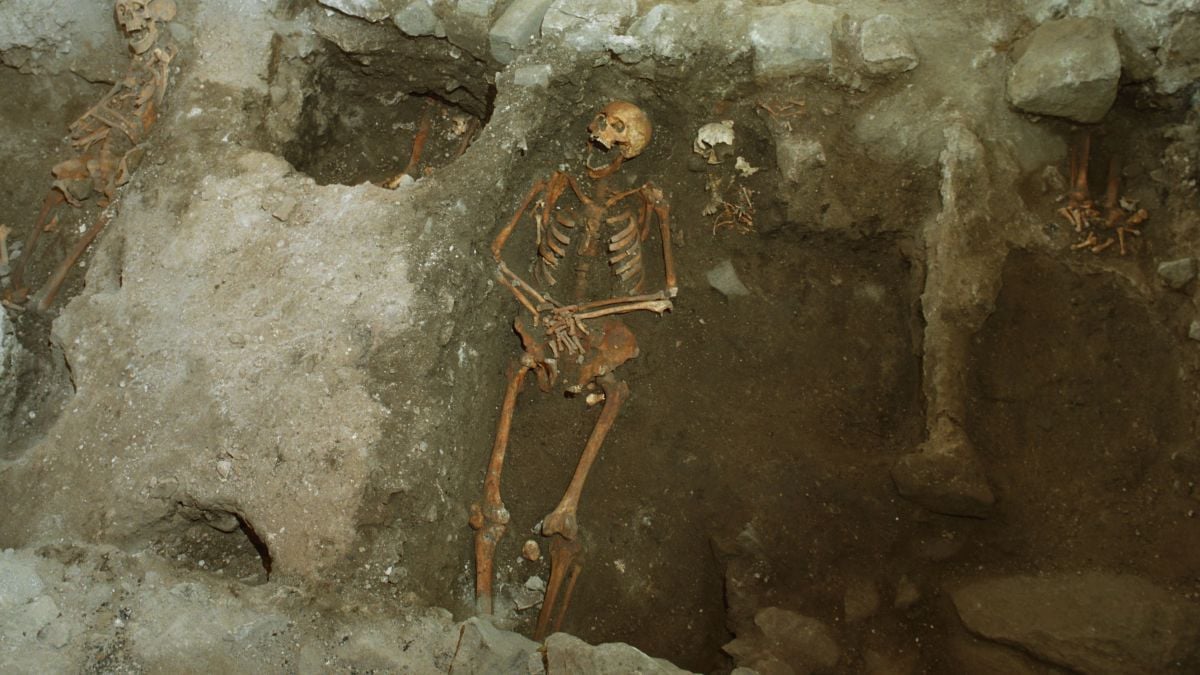 His bones were shattered in more than 160 places.
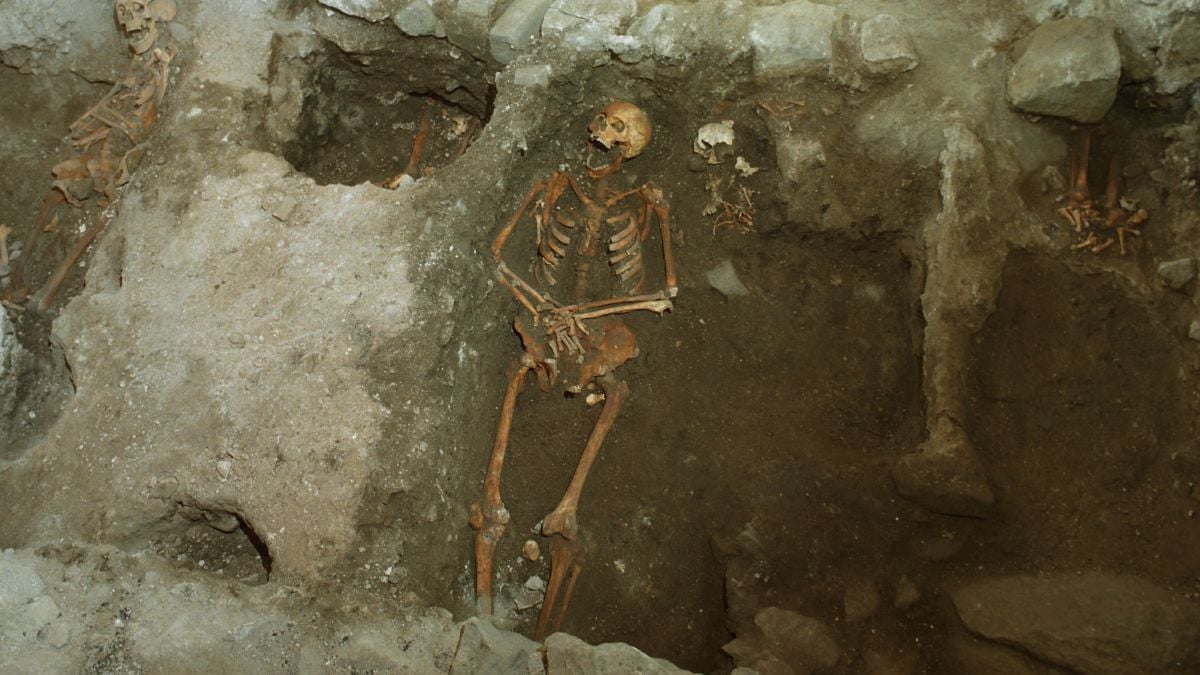
Researchers examining skeletal remains discovered at Scotland’s Stirling Castle believe they may have found the first archaeological evidence of a death caused by a medieval trebuchet. The individual, known as Skeleton 150, sustained catastrophic injuries with more than 160 fractures concentrated primarily on the back of the skull and shoulders, suggesting a violent impact from behind.
The remains belong to a man aged between 22 and 34 years old who died sometime between 1255 and 1405 CE, according to radiocarbon dating. This timeframe coincides with multiple sieges of the strategically important castle during Scotland’s Wars of Independence. Scientists utilized advanced imaging techniques including CT scanning and microscopy to reconstruct the damage pattern across the fragmented bones.
The distinctive zigzag fracture patterns observed in the skeleton indicate extremely high-velocity impact, differentiating this trauma from other potential causes like falling masonry. By comparing the injury patterns with modern forensic data from vehicle collisions and other high-energy impacts, researchers determined that only a trebuchet—a powerful medieval siege weapon—could produce such specific and extensive damage. Bioarchaeologists note the victim likely died instantly from the trauma.
This discovery provides unprecedented insight into medieval siege warfare and weaponry. The research demonstrates how contemporary forensic techniques can illuminate historical mysteries, offering a rare window into the violent conflicts that shaped medieval Scotland.
Originally reported by Sciencealert →
About the Author