Filipino filmmaker Lav Diaz is pursuing multiple ambitious projects, including a feature examining false prophets and ideologies, as well as a cinematic interpretation of José Rizal’s influential novel “Noli Me Tangere.” The acclaimed director disclosed these developments while discussing his latest work, “Let Us Through, Dear Ancestors,” which premiered in the Venice Film Festival’s Open section.
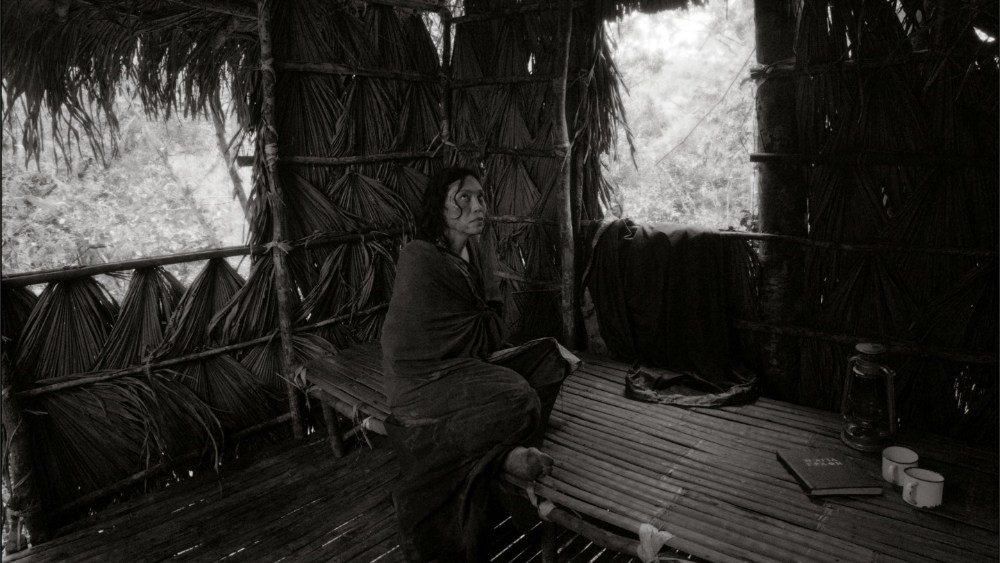
“Let Us Through, Dear Ancestors” represents Diaz’s third historical drama, transporting viewers to the late 16th and early 17th centuries during Spain’s colonial consolidation of the Philippines. The film examines the forced labor systems that indigenous populations endured while constructing colonial-era churches—structures now regarded as cultural heritage despite their violent origins. Historical records suggest approximately 30 percent of the male population perished under these compulsory labor requirements.
Diaz emphasizes the film’s educational mission, arguing that contemporary Filipinos must recognize these architectural landmarks as monuments built through suffering rather than viewing them as culturally neutral objects. He traces contemporary Philippine inequality directly to the encomienda system imposed by Spanish authorities, which dispossessed indigenous communities of land while extracting tributes and labor. The director connects institutional religion to broader patterns of violence throughout history, citing the Crusades, Holocaust, and modern conflicts as evidence of faith’s entanglement with oppression.
Shot in black and white in Quezon Province, the film takes its Filipino title from a traditional phrase still used when passing through spaces believed inhabited by ancestral spirits, reflecting Diaz’s interest in preserving connections to indigenous heritage and historical consciousness.
Originally reported by Variety →
About the Author