A 3-Year-Old’s Metastatic Cancer Disappeared After Two Doses of Experimental Therapy
 This could save lives.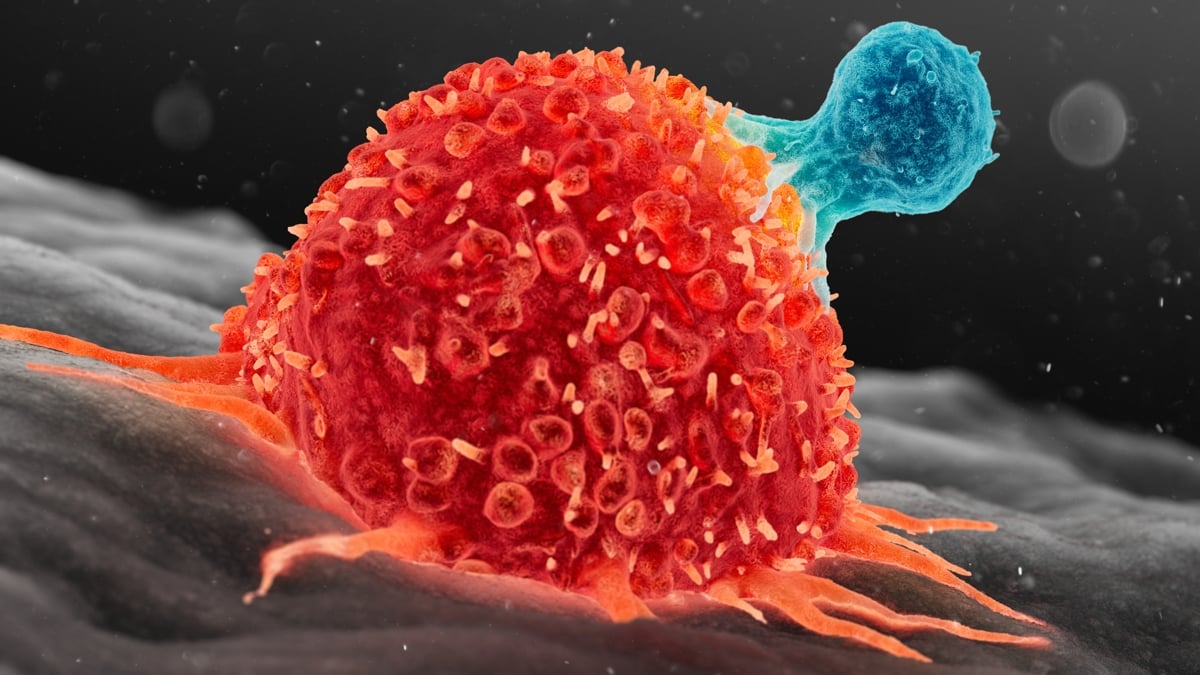
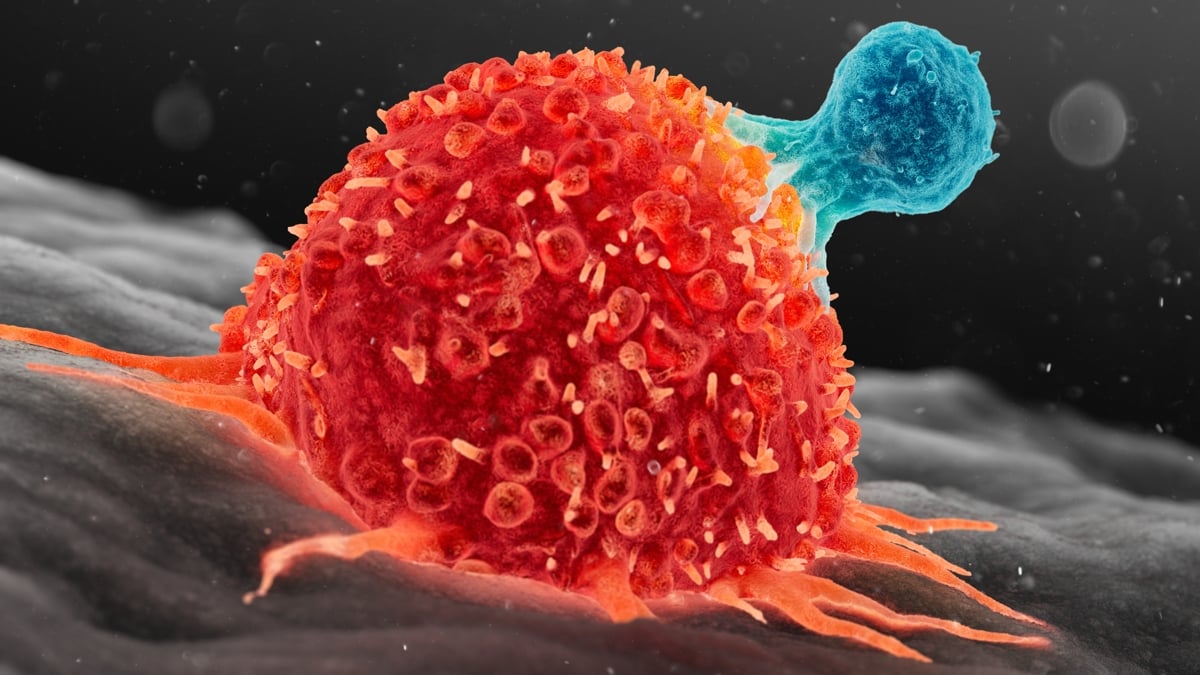
Researchers have reported a remarkable breakthrough in treating solid tumors using CAR T cell therapy, an immunotherapy approach that genetically modifies a patient’s own immune cells to target cancer. In a case study published in The New England Journal of Medicine, a three-year-old boy with advanced liver cancer experienced complete remission after receiving two doses of an experimental treatment called GPC3-CAR therapy.
The patient initially presented with a large tumor in his liver that had spread to his lungs and bones. After undergoing chemotherapy and multiple surgeries, the cancer rapidly returned. He was then enrolled in the CARE clinical trial and received the experimental GPC3-CAR treatment, which was engineered to recognize a protein commonly found in liver cancers. The therapy also included genetic modifications to enhance the longevity and effectiveness of the cancer-fighting cells.
Following the first infusion, imaging scans showed partial tumor regression. After a second dose eight weeks later, no signs of active disease remained. At the twelve-month follow-up, the patient remained cancer-free, representing a significant achievement given the severity of his initial condition. Researchers note that since liver cancer ranks among the leading causes of cancer-related deaths worldwide, advances in this treatment approach could have substantial implications.
While these results are promising, scientists emphasize this represents a single case in an early-phase trial. Additional testing through the CARE and IMPACT clinical trials is underway to determine the broader safety and effectiveness of this novel immunotherapy for solid tumors.
Originally reported by Sciencealert →
About the Author