“`html
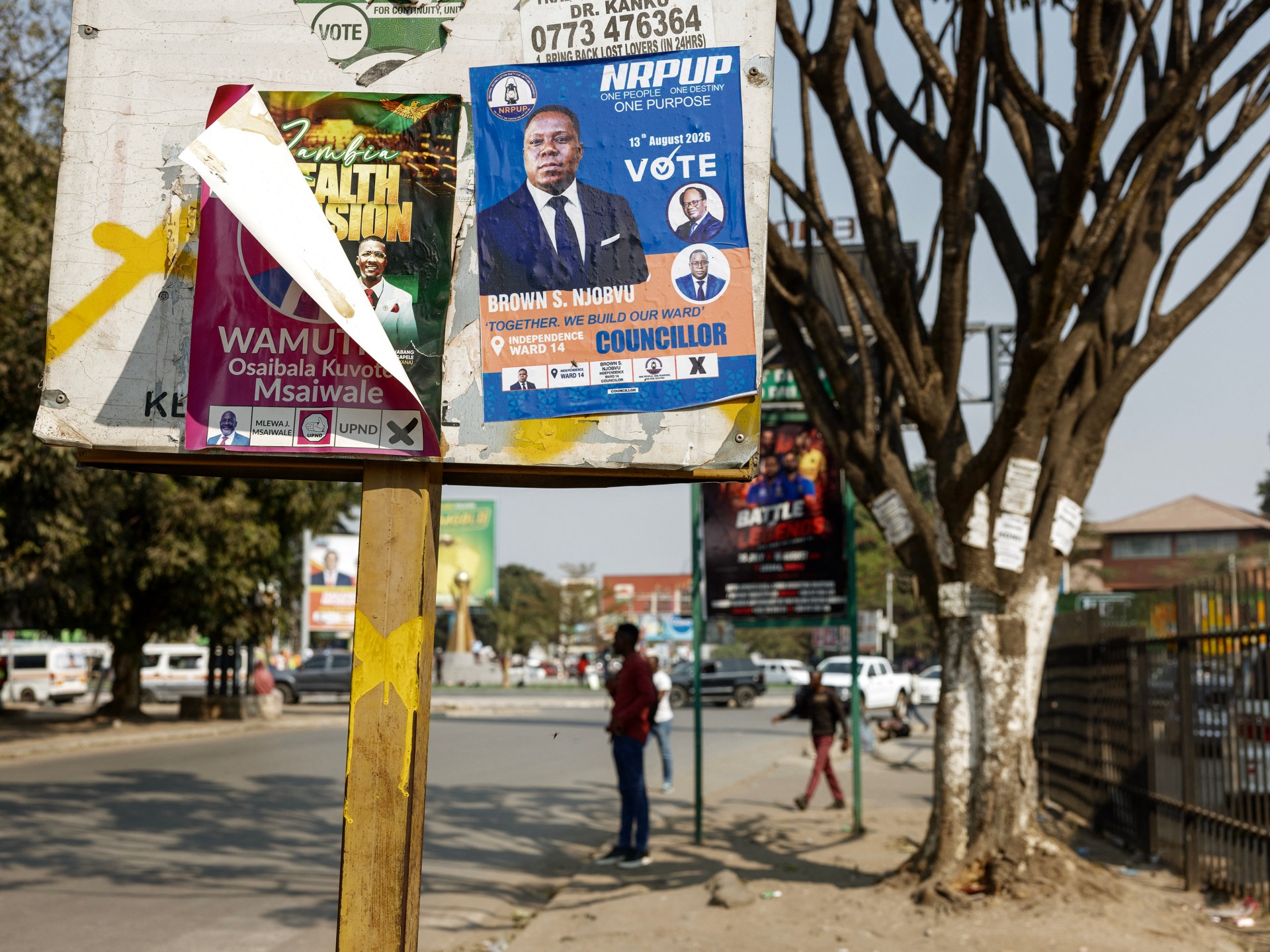
Zambia’s general election scheduled for August 13 will serve as a crucial assessment of whether the government’s economic policies have meaningfully improved citizens’ daily lives. With approximately 8.79 million registered voters, the election features fourteen presidential candidates, including incumbent Hakainde Hichilema seeking re-election and opposition challenger Brian Mundubile. The outcome will largely hinge on whether recent macroeconomic progress translates into tangible benefits for ordinary Zambians.
The governing administration highlights significant achievements including successful debt restructuring and completion of an IMF-backed reform programme. Inflation has declined to 6.8 percent as of April. However, persistent challenges related to food, fuel, and electricity expenses continue burdening households. Political analysts note a substantial disconnect between headline economic improvements and the lived experiences of ordinary citizens, particularly the 60 percent of the population living below the poverty line who remain skeptical about employment prospects and service quality.
The mining sector emerges as a pivotal electoral issue, with copper generating roughly 70 percent of export revenues and exceeding 10 percent of GDP. The government aspires to increase annual production to 3 million tonnes. Key debate focuses not merely on production volume but rather on ensuring mining revenues adequately benefit the broader population rather than concentrating wealth among elites. Election observers emphasize that voters, especially in mining regions, will evaluate whether mineral wealth creates stable employment and strengthens communities.
Debt restructuring represents another critical component of the government’s economic narrative. Voters will ultimately judge candidates based on whether promised reforms deliver concrete improvements in living standards, employment, and access to reliable public services.
“`
Originally reported by Aljazeera →
About the Author