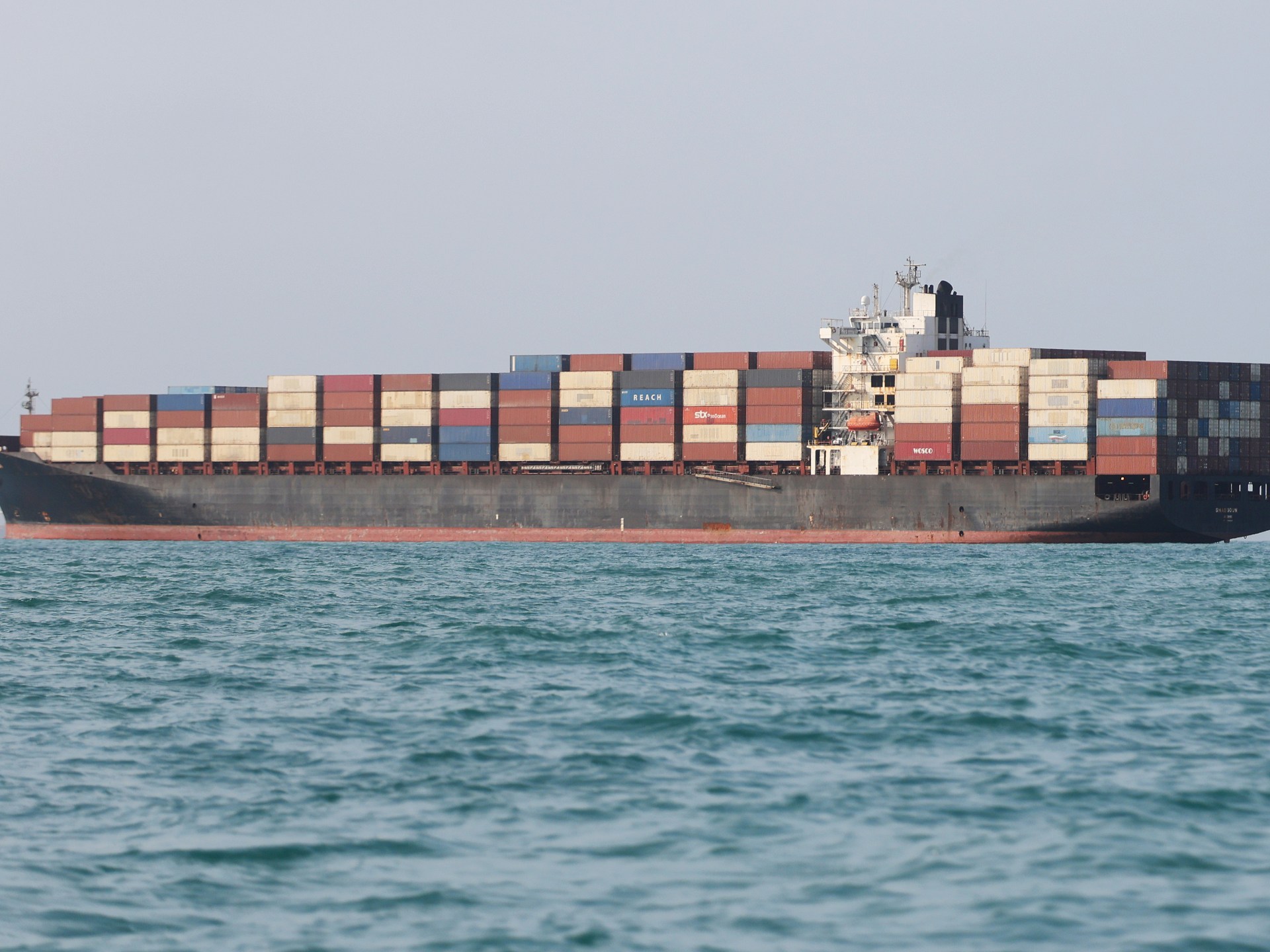
Philippine seafarers continue to seek employment opportunities at shipping companies and maritime agencies despite escalating dangers in major shipping routes. Workers are lining up at hiring centers, aware that their next assignments could take them through the volatile Strait of Hormuz and Black Sea, where military conflicts have created hazardous conditions for commercial vessels.
One experienced sailor named Gerald recalled a harrowing incident during recent tensions in the Gulf region, when he and his crew endured missile strikes and were forced to fish on deck for survival when supply lines were cut off. Despite this ordeal and the psychological toll of such experiences, he remains committed to continuing his maritime career. For Gerald, who grew up in a fishing village, seafaring has provided financial stability that allowed him to purchase property and support his family in ways that alternative livelihoods could not.
The Philippines supplies over a quarter of the world’s maritime workforce, with approximately 2,500 Filipino sailors currently operating in the Strait of Hormuz alone. Recent conflicts have claimed lives, including at least three Filipino crew members killed in Black Sea attacks this year. However, the financial incentives—including insurance benefits—motivate many sailors to accept these risks. While the Philippine government has urged shipowners to avoid dangerous zones and reminded workers of their right to refuse assignments, most Filipino seafarers remain aboard their vessels, prioritizing economic security for their families over personal safety concerns.
Originally reported by Aljazeera →
About the Author