“`html
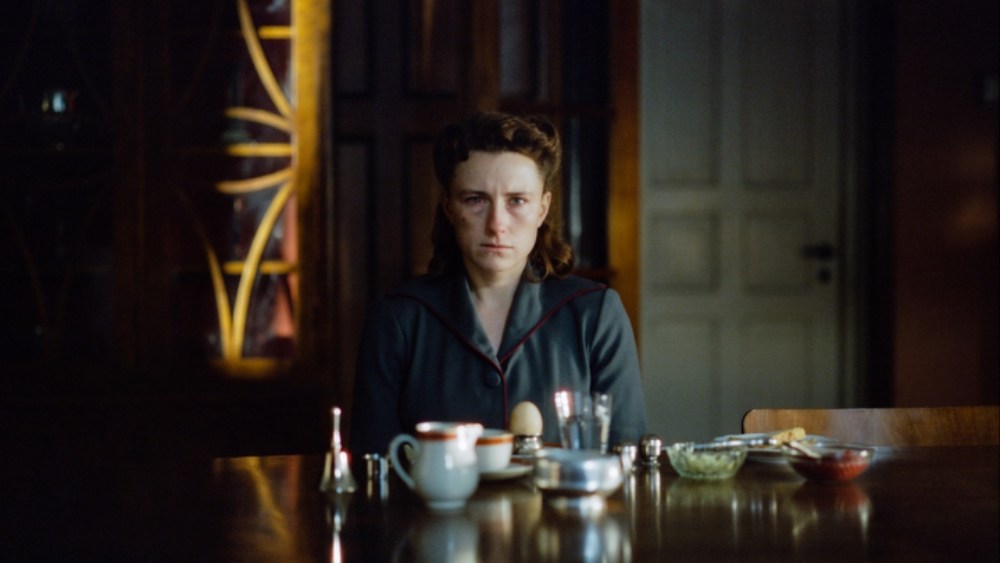
Director May el-Toukhy’s film “Woman Unknown” examines the experiences of women who faced persecution for alleged relationships with German soldiers during World War II. El-Toukhy discovered that these women’s bodies became intertwined with national identity in the aftermath of war, yet their stories remained largely untold in Danish historical narratives. The filmmaker initially considered exploring the witch hunts of the 1500s but shifted focus after encountering archival photographs of women subjected to public humiliation, recognizing parallels between historical and contemporary forms of gendered violence across armed conflicts.
The film follows Marie, a housemaid and nanny engaged to her employer, as she navigates survival during the weeks preceding liberation in 1945. El-Toukhy drew inspiration from Belarusian writer Svetlana Alexievich’s documentation of women’s wartime experiences, noting that such testimonies remain remarkably scarce. The title itself reflects this erasure—archival photographs of these women are frequently labeled simply as “unknown,” reflecting historical indifference toward their stories.
El-Toukhy’s presence at the Venice Film Festival has sparked broader discussions about gender representation in cinema. Though honored to compete, she expressed disappointment at Venice’s selection of only one female director initially in the main competition, describing the disparity as “a structural problem.” She pointed to systemic inequities affecting female filmmakers, from budget allocations to media coverage that rarely affords women directors comparable recognition to their male counterparts. El-Toukhy advocates for collective industry action to address these longstanding barriers.
“`
Originally reported by Variety →
About the Author