
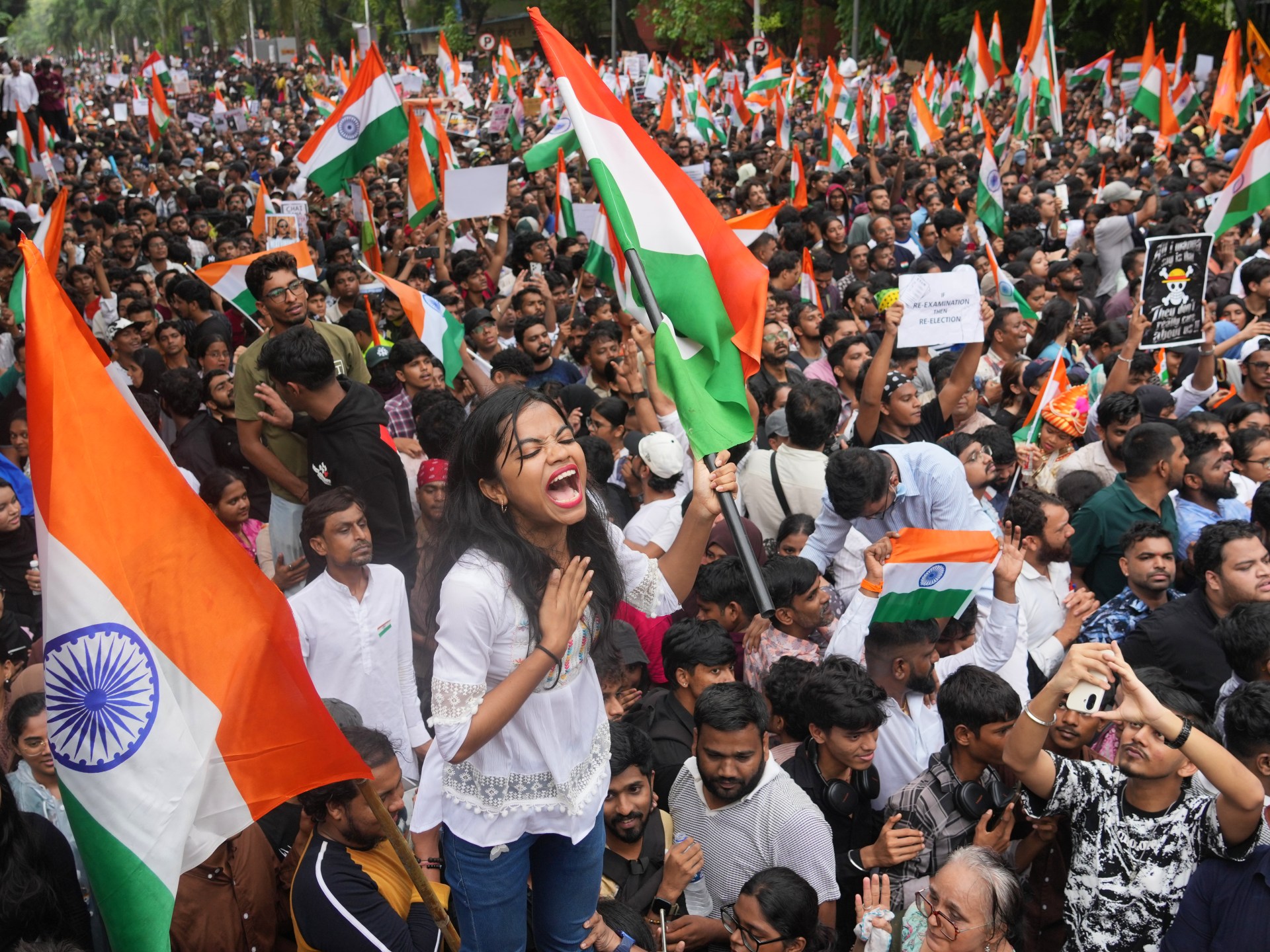
India’s ruling Bharatiya Janata Party faces mounting pressure from a grassroots movement that has challenged its traditional dominance of political discourse. The so-called “Cockroach” movement, which emerged from student protests over employment concerns, recently contributed to a significant electoral defeat for the BJP in Bihar, ending the party’s three-decade control of a key constituency.
The BJP’s response to the movement reveals shifting dynamics in how political power operates in India. While the party traditionally relied on mainstream media control and organic support networks, it now finds itself struggling to connect authentically with younger voters on social media platforms. Recent attempts to reach Generation Z through Instagram content and online campaigns have drawn criticism for appearing forced and inauthentic, with observers noting that the party’s messaging feels increasingly “managed and paid for” rather than organically generated.
Political analysts suggest the BJP’s conventional tactics for discrediting dissent have also lost their effectiveness. Previous protests faced branding as antinational or foreign-influenced, but the current movement’s self-deprecating humor and inclusive character have made such criticisms difficult to deploy. Experts argue this represents not a fundamental policy shift but rather a battle for public perception, as the new political environment demands different engagement strategies than the traditional media landscape once afforded.
Originally reported by Aljazeera →
About the Author