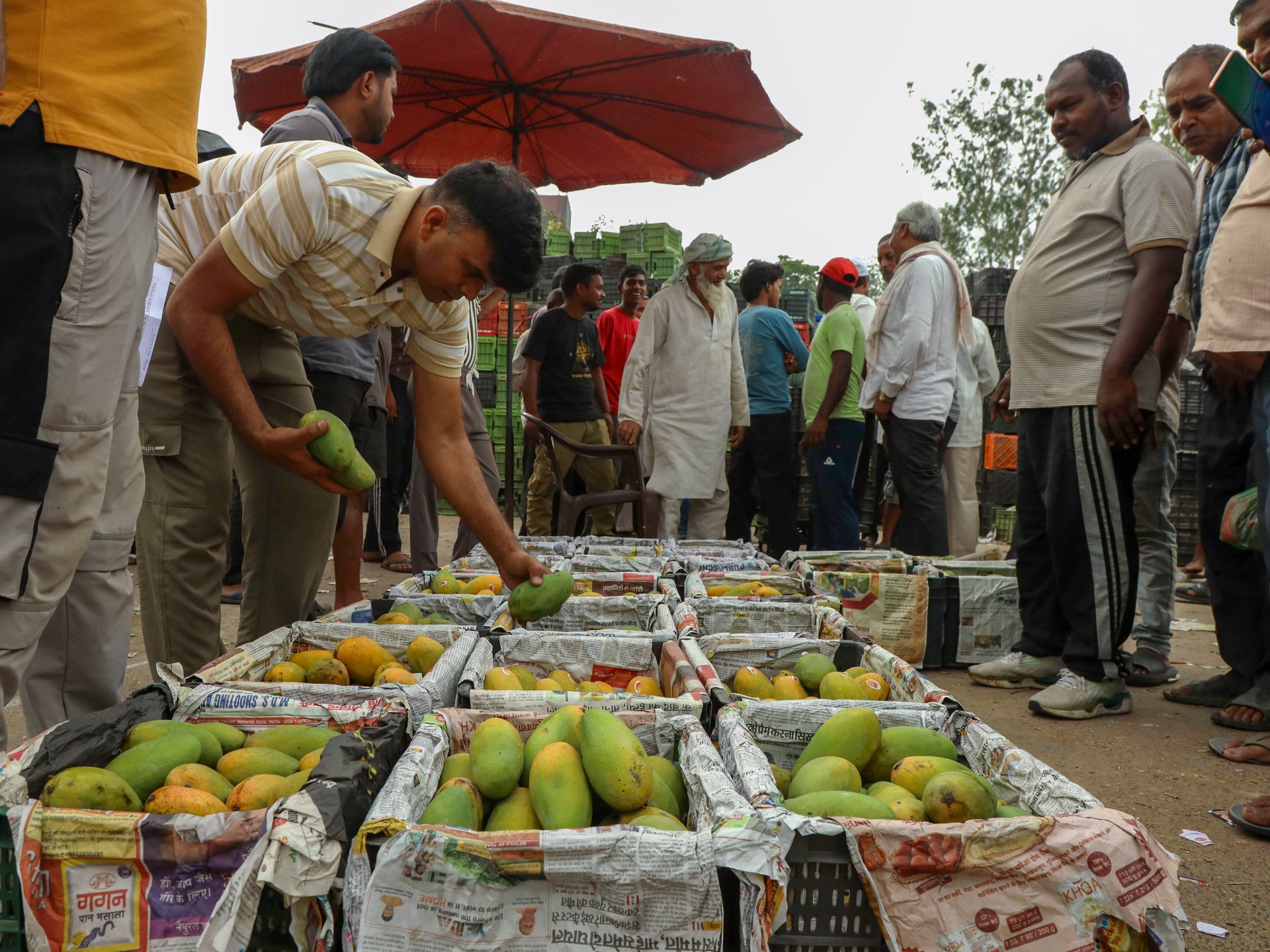
Multiple countries have recently rejected or restricted Indian agricultural exports, creating significant challenges for the nation’s farmers and exporters. Japan suspended imports of six mango varieties in March after inspectors questioned sterilization procedures at processing facilities, marking the first major disruption in bilateral mango trade in nearly two decades. Simultaneously, China revoked import licenses for three Indian rice exporters in April, citing alleged traces of genetically modified organisms in their shipments, despite Indian officials maintaining that all domestic rice fields are free of genetic modification.
The restrictions carry particular weight because these markets serve purposes beyond their direct economic value. Japan’s approval traditionally signals quality standards to international buyers, making its suspension especially damaging for exporters who spent years building relationships with Japanese importers. Rice exports alone represent over 20 percent of India’s agricultural exports, with shipments valued at $12.5 billion in the previous financial year, meaning China’s licensing revocations threaten a critical revenue stream.
Indian growers face compounded difficulties as these trade disruptions coincide with other challenges. Heat waves have damaged mango crops in Maharashtra, while geopolitical tensions have elevated freight costs. Farmers who invested substantially in meeting stringent international standards now confront cancelled contracts and rotting inventory, raising questions about the reliability of export systems that previously rewarded quality and compliance.
Originally reported by Aljazeera →
About the Author