Iran’s Supreme Leader Mojtaba Khamenei has made sweeping changes to the country’s military leadership, appointing six senior commanders to key positions across the Islamic Revolutionary Guard Corps, General Staff, and domestic security forces. The reorganization follows recent military conflicts and comes after the death of the previous IRGC commander-in-chief during attacks by the US and Israel in February. Analysts view these appointments as attempts to strengthen Iran’s military readiness and response capabilities.
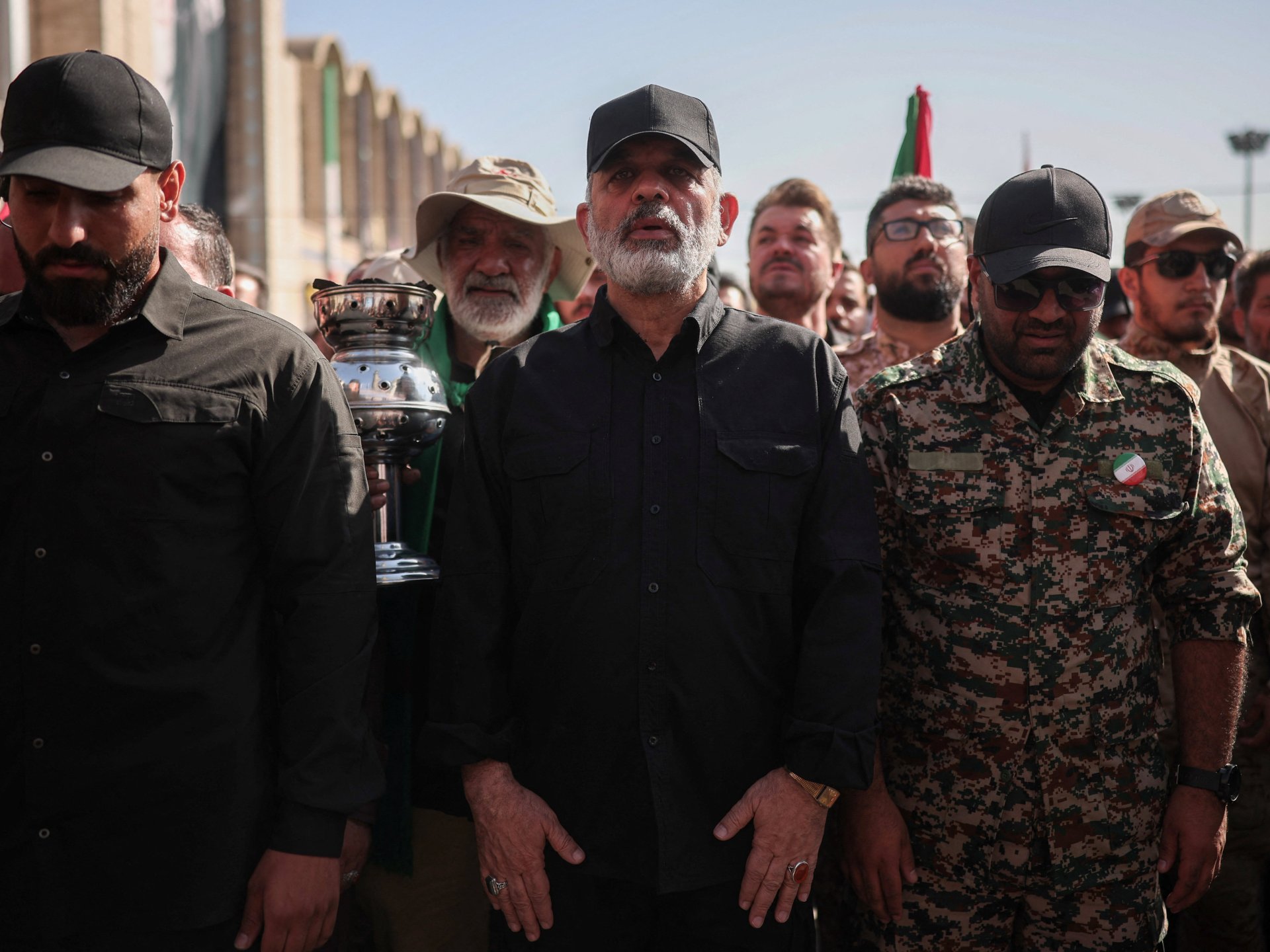
Ahmad Vahidi, who takes over as IRGC commander-in-chief, represents a significant choice with deep roots in Iran’s military establishment. Vahidi rose through the ranks during the country’s formative military years in the late 1970s and 1980s, holding prominent positions in intelligence operations and leading the Quds Force until handing it over to Qassem Soleimani in 1998. His appointment signals that the Supreme Leader values experience and proven loyalty alongside military expertise.
International observers note that these selections prioritize regime stability over modernization. The newly appointed commanders are largely drawn from the older generation of Revolutionary Guard veterans, suggesting a focus on consolidating the Supreme Leader’s authority through trusted figures rather than implementing fresh military strategies. Vahidi has been explicitly instructed to maintain readiness for offensive operations while strengthening deterrence, reflecting a potentially more assertive military posture going forward.
Originally reported by Aljazeera →
About the Author