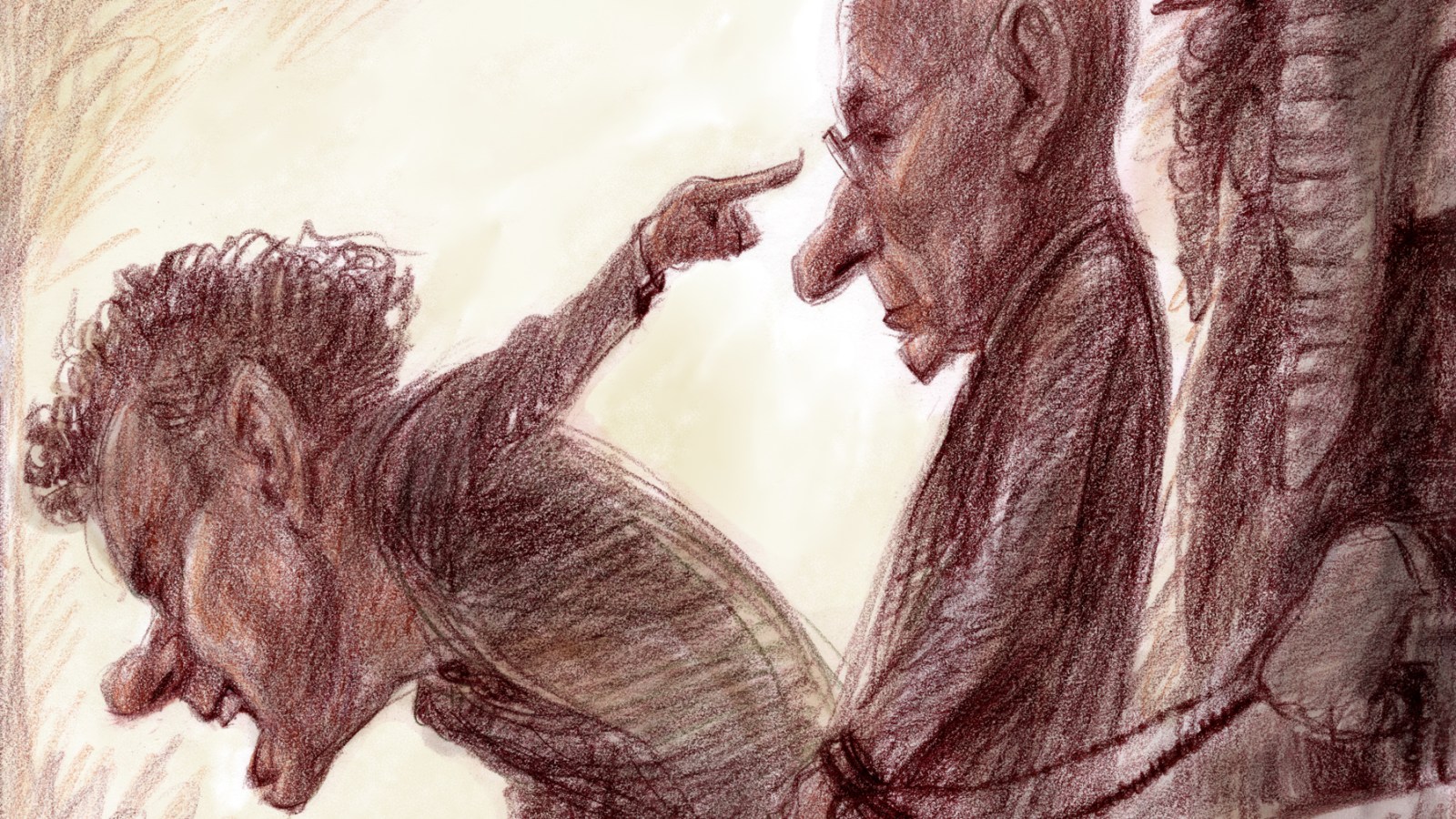
Anthony Fauci’s career trajectory illustrates a critical weakness in how Americans understand political accountability. Once celebrated as a respected public health official instrumental in the government’s response to the AIDS crisis and the development of PEPFAR, Fauci’s reputation has undergone a dramatic transformation during and after the pandemic.
The release of Fauci’s pandemic-era diaries by Senator Rand Paul exposed his private reflections about celebrity and social opportunities, presenting an unflattering portrait that contrasted sharply with his public messaging about limiting social contact. This revelation fueled ongoing attacks from critics and conspiracy theorists, who have used the documents to question his credibility and integrity rather than focusing on substantive policy disagreements.
Yet the intense fixation on Fauci obscures a fundamental misunderstanding of power structures. As an advisor rather than a decision-maker, Fauci did not unilaterally dictate pandemic policy or vaccine mandates. His critics overlook documented evidence that vaccination prevented death and severe illness, even as the virus evolved to spread among vaccinated populations. The sustained anger directed at Fauci reflects broader societal trauma from pandemic losses and disruptions.
The phenomenon reveals how American political discourse often targets individual figures as scapegoats rather than examining complex institutional failures and policy choices made by elected officials and administrators who held actual decision-making power.
Originally reported by Rollingstone →
About the Author