
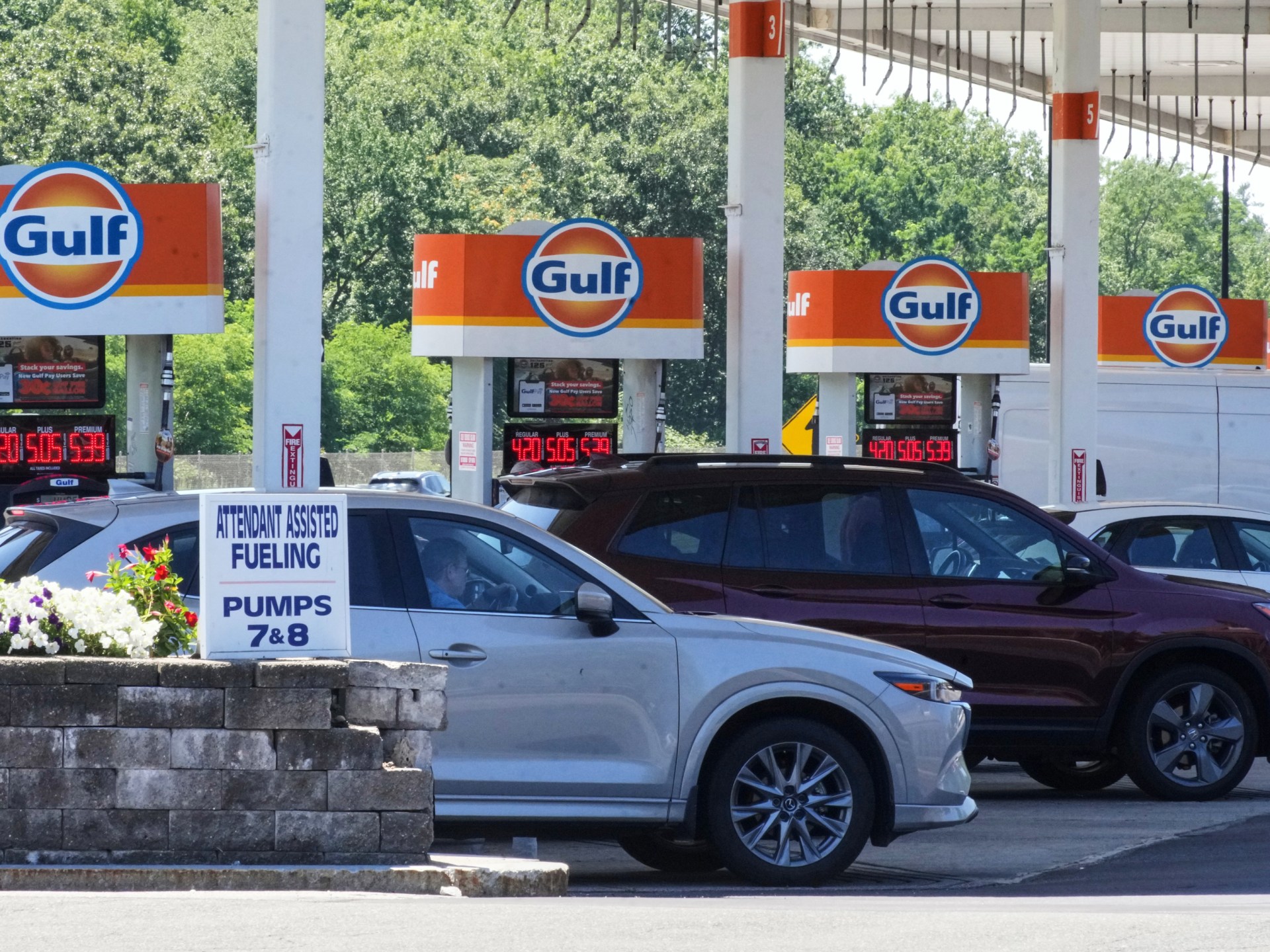
United States consumer inflation showed signs of moderation in July as energy sector prices experienced a temporary decline, though fuel costs remain substantially elevated compared to the previous year. According to data released by the Department of Labor’s Bureau of Labor Statistics, overall consumer inflation increased by 0.1 percent from June but stood 3.4 percent higher than July of the previous year. The modest monthly improvement was largely attributed to a brief dip in energy prices, which fell 1.5 percent during the month.
Despite the monthly retreat, energy prices continue to pose significant inflationary challenges for consumers. Fuel costs have surged 14.7 percent over the past twelve months, with gasoline prices up 39.1 percent year-over-year. The temporary decline in July was driven by market optimism regarding a potential reopening of the Strait of Hormuz, a critical shipping route disrupted by geopolitical tensions. However, that optimism proved short-lived, and fuel prices have begun climbing again as those prospects faded.
The inflation report adds to mounting economic headwinds facing American households. Food prices increased marginally by 0.1 percent monthly but remain 3 percent higher annually. The situation is further complicated by recent employment weakness, with the economy losing 23,000 jobs last month. These combined pressures have placed the Federal Reserve in a delicate position as it determines its next policy moves, with uncertainty surrounding whether interest rates will remain steady or increase at the September policy meeting.
Originally reported by Aljazeera →
About the Author