Maritime traffic through the Strait of Hormuz has plummeted to its lowest levels since the escalation of regional tensions, with only eight vessels passing through the waterway on Tuesday. This represents a dramatic decline from the pre-conflict baseline of 130 to 140 daily transits, underscoring the significant disruption to one of the world’s most critical shipping routes.
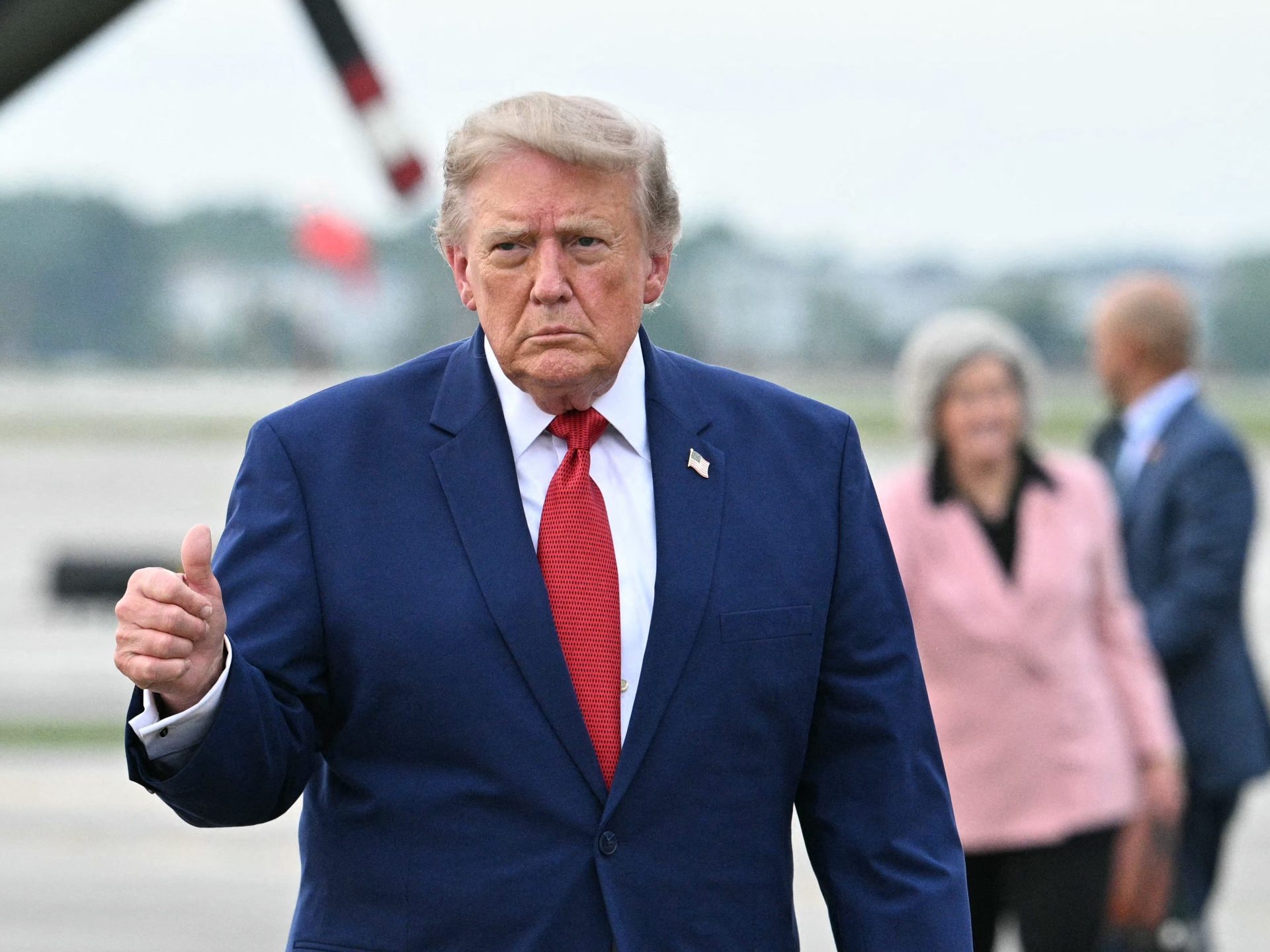
Despite the deteriorating situation, U.S. President Donald Trump has reiterated claims that America maintains complete authority over the strategic passageway. In statements made to the media and on social media platforms, Trump asserted U.S. dominance and characterized the naval blockade of Iranian ports as an impenetrable barrier, dismissing Iran’s regional influence entirely.
However, Iran continues to assert control and has signaled its willingness to negotiate through channels that exclude Washington. The Iranian government has established preconditions for normalizing traffic, including the removal of naval blockades, sanctions relief, and the unfreezing of assets. These demands have effectively halted broader peace negotiations as direct talks between Washington and Tehran remain stalled.
Security experts have challenged the administration’s optimistic framing, arguing that Iran retains sufficient military capabilities to disrupt shipping operations. Meanwhile, the ongoing conflict has claimed civilian lives, with recent attacks in adjacent waters claiming six lives and raising concerns about the widening scope of regional instability.
Originally reported by Aljazeera →
About the Author