“`html
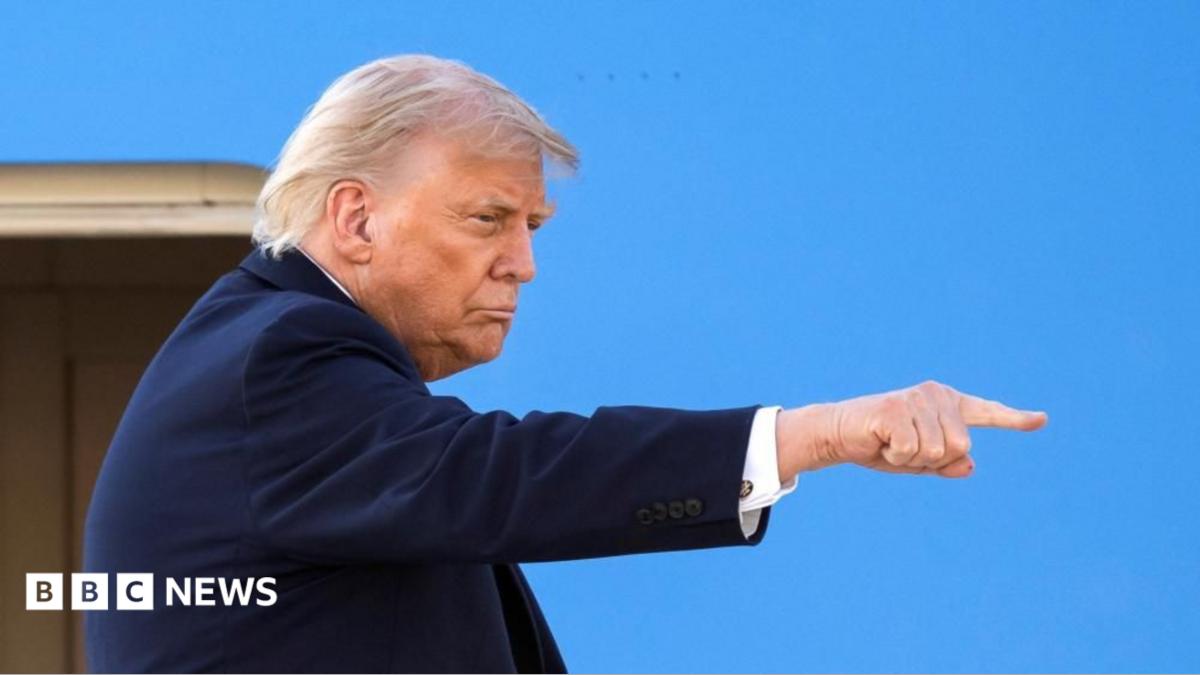
President Trump’s covert aircraft switch during his return from a NATO summit in Turkey last month underscores the deeply personal nature of his conflict with Iran. According to reports, Trump abandoned the presidential Air Force One 747 and boarded an alternate plane after intelligence suggested a credible Iranian missile threat. The elaborate operation involved transporting the president in a catering truck and leaving the media and most staff members aboard the decoy aircraft—an unusual precaution that took over a month to become public.
Trump has directly connected the conflict to his own safety. Following a February military campaign that killed Iranian Supreme Leader Ayatollah Ali Khamenei, Trump told ABC News he had struck Iran before they could strike him. Defence Secretary Pete Hegseth similarly framed the war as retaliation for Iranian assassination attempts targeting the president. These statements reveal how security concerns have shaped Trump’s approach to the conflict.
Iran’s threats against Trump predate the current war. After Trump ordered a 2020 drone strike killing Iranian military commander Qasem Soleimani, Iran’s leadership vowed retaliation. More recently, U.S. authorities have uncovered multiple alleged assassination plots: a Pakistani man was convicted in March 2026, while an Afghan citizen remains at large. Combined with domestic assassination attempts in 2024, these incidents have reinforced Trump’s perception of constant personal danger.
While security experts note such precautions are not uncommon for presidents near conflict zones, the incident highlights the ongoing Iranian threat despite Trump’s assertions that Iran has been defeated militarily.
“`
About the Author