“`html
Three major United States allies—Saudi Arabia, Turkey, and Pakistan—recently established a joint defence agreement in Mecca, prompting discussion about whether such regional arrangements could reduce their traditional reliance on American military support. The pact has been interpreted by some observers as a signal that these nations may be losing confidence in Washington’s security commitments.
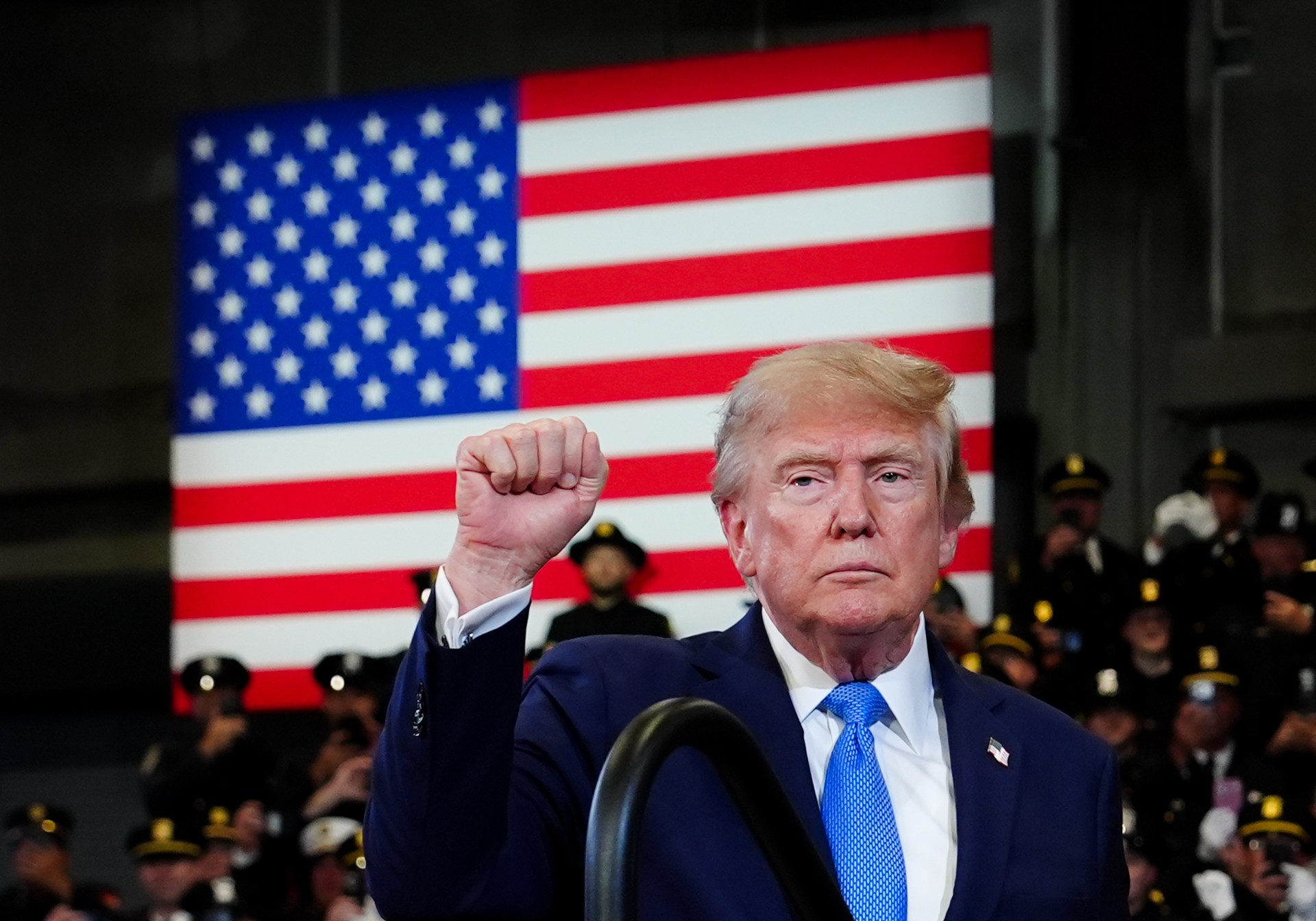
President Donald Trump responded positively to the development, expressing approval that Middle Eastern countries were taking greater responsibility for their own defence. This stance aligns with Trump’s broader policy of encouraging allied nations to increase their military spending and reduce their dependence on American resources, a position he has actively promoted through pressure on NATO members and other partners.
However, experts remain divided on what the agreement ultimately means for US influence in the region. Some analysts suggest the pact reflects a temporary diversification of security partnerships rather than a permanent shift away from American involvement. Others point to recent events, including the US-Israeli military campaign against Iran conducted without consulting Gulf partners, as motivation for these nations to strengthen independent defence capabilities while maintaining relationships with Washington.
The question of whether regional defence agreements can fully replace American security commitments remains unresolved, with specialists noting that the United States will likely maintain a significant military presence in the Middle East while expecting greater financial and strategic contributions from its partners.
“`
Originally reported by Aljazeera →
About the Author