This Subtle Change to Your Fingernails Can Be a Sign of Hidden Disease
 Red for warning.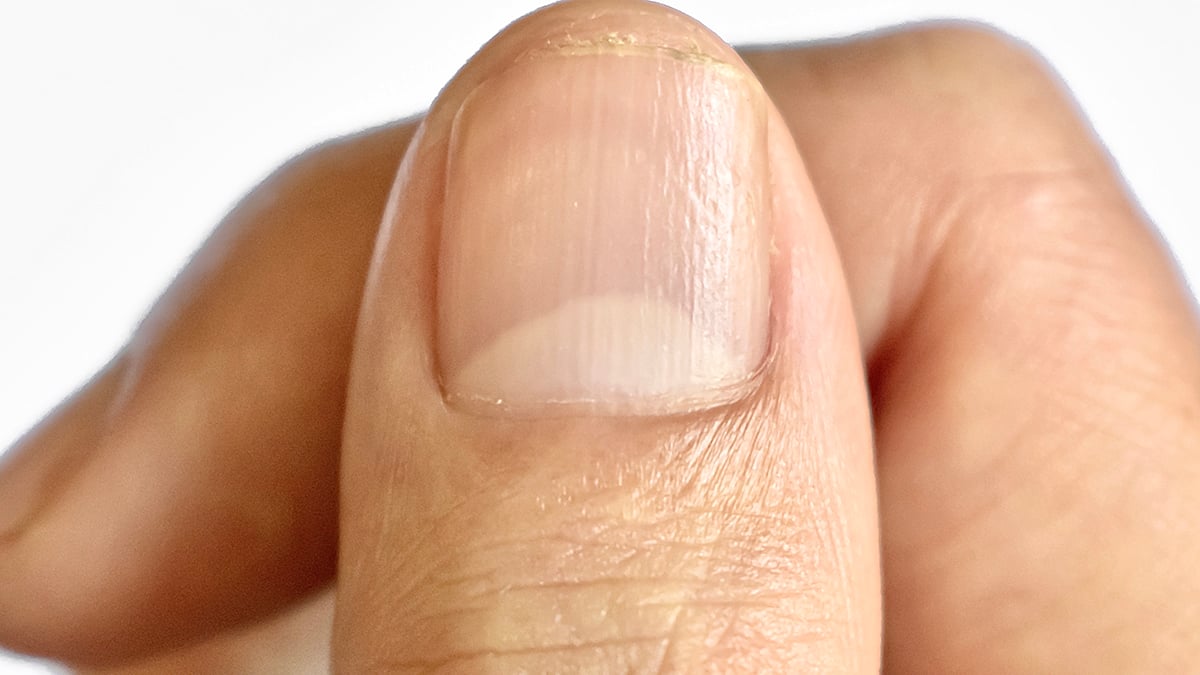
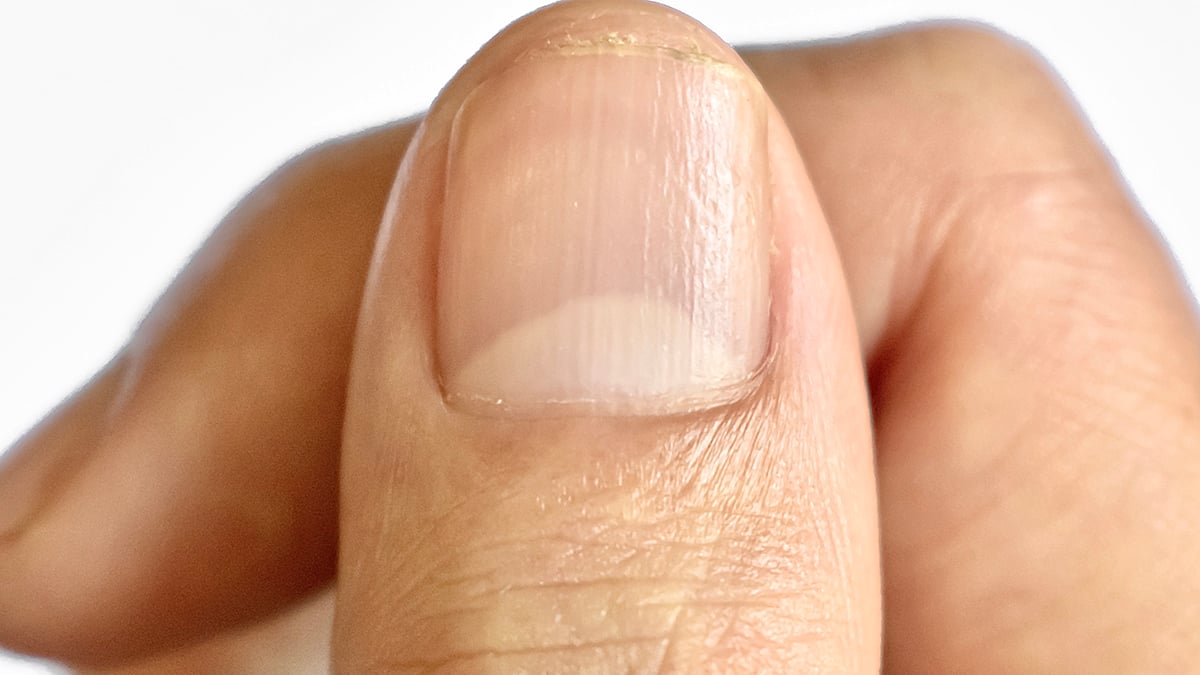
Researchers from Rutgers New Jersey Medical School have completed an extensive analysis of medical cases linking changes in fingernail appearance to serious health conditions. The study, published in the American Journal of the Medical Sciences, focuses on the lunulae—the pale half-moon shapes visible at the base of fingernails—and their tendency to shift from white to red in color.
When lunulae take on a reddish hue, this unusual change may signal underlying diseases affecting multiple body systems. The review identified connections between red lunulae and conditions including heart failure, liver disease, rheumatoid arthritis, and various autoimmune disorders. While this relationship has been documented since 1954, the exact biological mechanism remains unclear, though researchers theorize capillary vasodilation—widening of tiny blood vessels beneath the nail—may be responsible for the discoloration.
The research suggests that red discoloration appearing across multiple nails indicates a systemic disease requiring medical attention, while changes in a single nail may point to localized nail bed problems. Doctors can perform a simple test by pressing the affected lunulae; if the redness fades temporarily, it supports the capillary vasodilation theory and warrants further cardiovascular evaluation.
Experts stress that individuals noticing red lunulae should seek comprehensive health evaluations, as this subtle visual indicator could facilitate early detection of serious conditions. The researchers emphasize that while nail discoloration remains rare, its potential diagnostic value should not be overlooked by medical professionals.
Originally reported by Sciencealert →
About the Author