Scientists Discovered a Bizarre ‘Devil Flower’ That Doesn’t Need Sunlight
 It looks like it escaped from a horror movie.
“`html
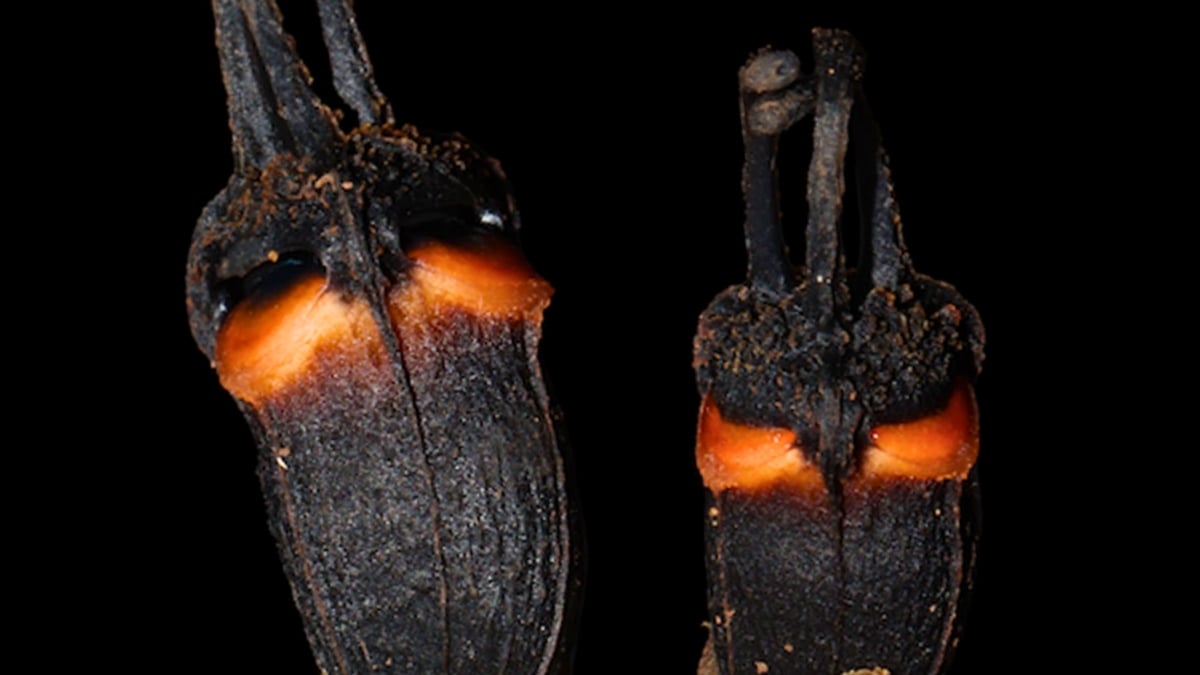
Researchers have identified an extraordinary plant species in a Thai forest that defies conventional botanical expectations. Named Thismia daemona, or the “devil flower,” this diminutive organism was discovered in Thong Pha Phum National Park in western Thailand at elevations between 930 and 970 meters. Scientists from Chulalongkorn University and Prince of Songkla University formally described the species in a recent study published in PhytoKeys. The plant’s striking appearance—featuring dark coloring, horn-like projections, and reddish-orange markings resembling eyes—contributes to its ominous common name.
What makes T. daemona truly remarkable is its complete independence from sunlight. Unlike virtually all other plants that rely on chlorophyll and photosynthesis for energy production, this species lacks chlorophyll entirely. Instead, the devil flower has evolved an alternative survival strategy: it forms partnerships with fungi in the soil. Through this symbiotic relationship, known as mycoheterotrophy, the plant extracts necessary carbon and nutrients from an underground fungal network. This adaptation allows the flower to thrive on the dark forest floor, spending most of its existence hidden beneath fallen leaves and only emerging briefly to bloom and reproduce.
The discovery carries significant conservation implications. The known population consists of fewer than 50 individual plants occupying less than 0.05 square kilometers, prompting researchers to classify the species as Critically Endangered. Although the site benefits from national park protection, regular tourism poses potential threats to these delicate organisms and their fungal partnerships. Scientists believe the finding expands the geographic range of related plant species and demonstrates that undocumented flora may still exist in frequently visited protected areas.
“`
Originally reported by Sciencealert →
About the Author