
Autumn 2026 offers excellent opportunities for stargazers of all levels as the season brings longer nights and comfortable viewing temperatures. The fall months feature several planetary alignments, meteor showers, and deep-sky objects that will be visible to both naked-eye observers and those with telescopes or binoculars.
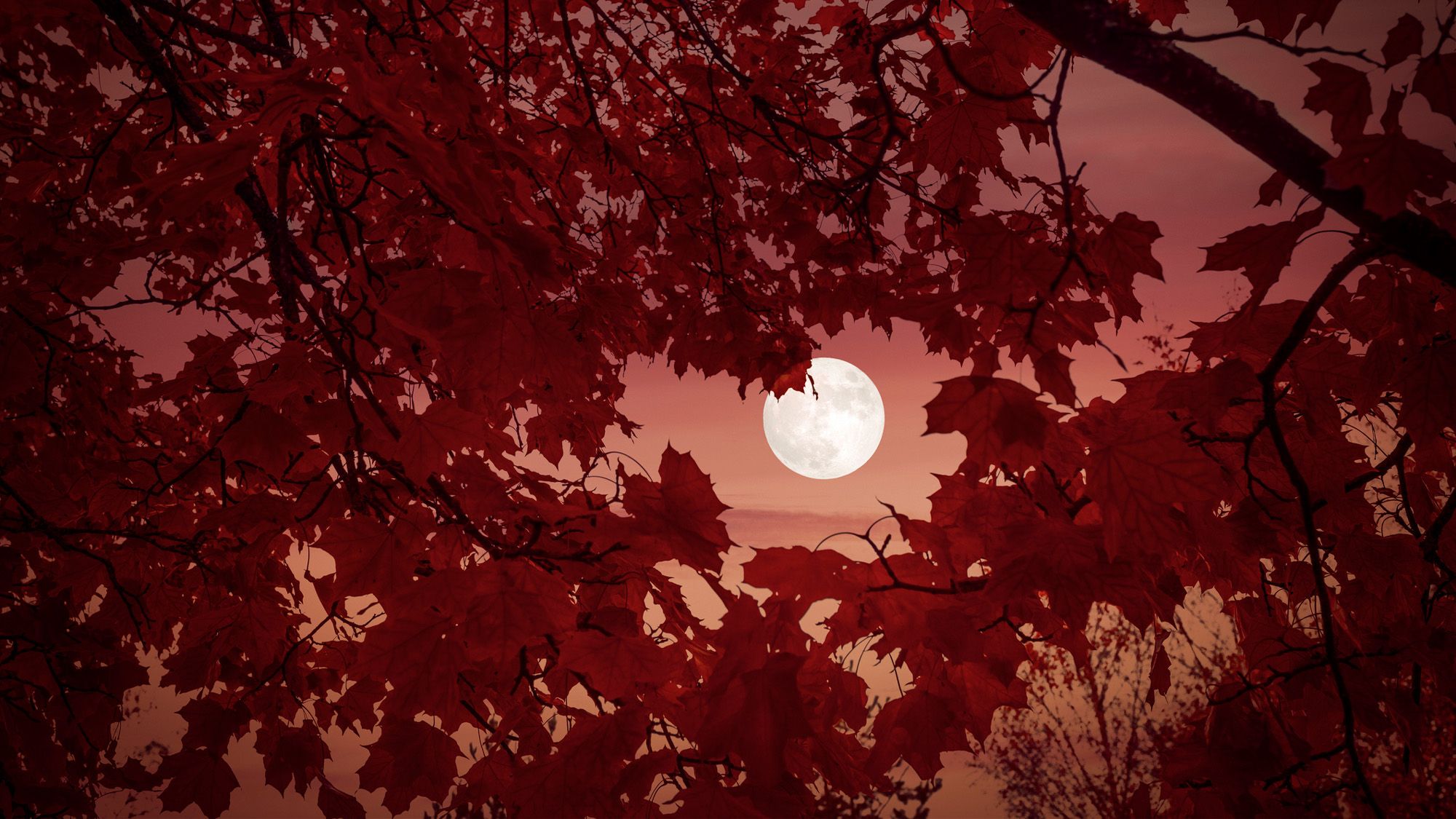
September through November will showcase three planetary oppositions when distant worlds reach their brightest points. Neptune appears on September 26, followed by Saturn on October 4, and Uranus on November 25. While Saturn remains easily visible without equipment, observing Neptune and Uranus requires larger telescopes. Additionally, November 24 brings the season’s first supermoon, when the Beaver Moon will appear significantly brighter than a standard full moon.
Meteor enthusiasts can anticipate several displays throughout the season. The Draconids peak in early October, followed by the more impressive Orionids in late October, which produce between 10 and 20 meteors per hour. The Taurids and Leonids round out the season in November, offering opportunities to photograph slower-moving fireballs and standard meteor activity. Prominent star clusters like the Pleiades and Hyades return to evening skies, while deep-sky targets including the Andromeda Galaxy and Heart and Soul Nebula become prime astrophotography subjects as Cassiopeia reaches its highest point in the night sky.
Originally reported by Livescience →
About the Author